
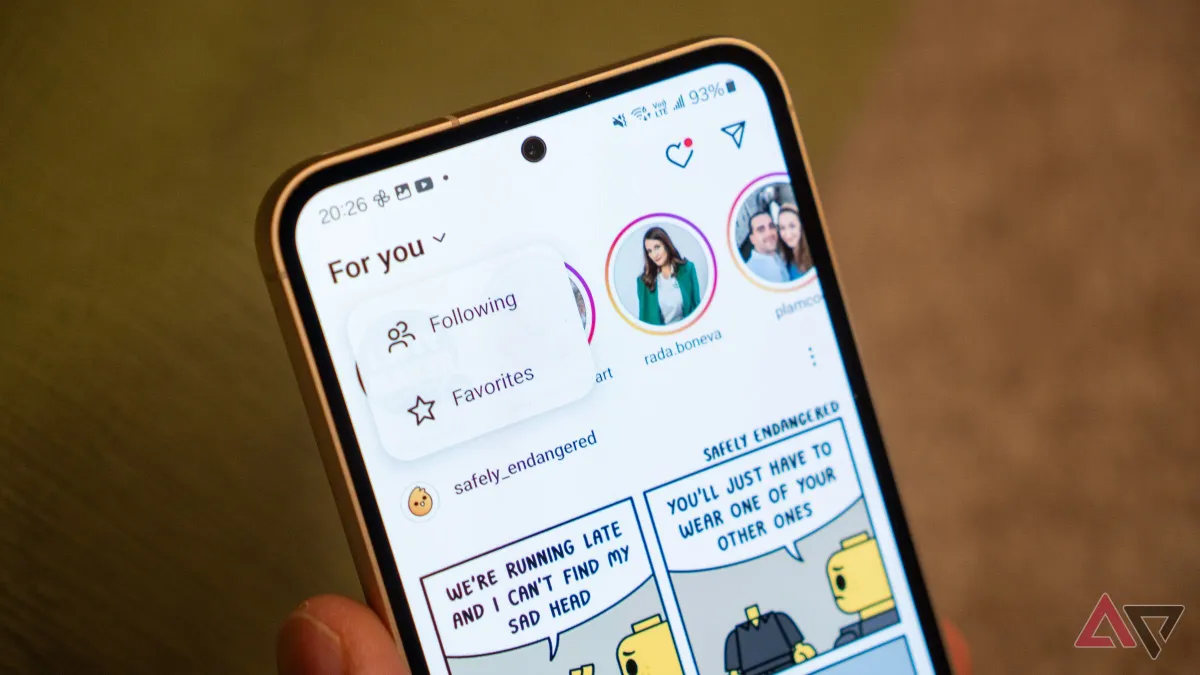
Google plans to fix a long-standing camera quality problem in Android 17 that has caused Instagram to compress Android photos far more aggressively than those shot on iPhones.
The issue has dogged Android users for years: photos taken on high-end Android devices and uploaded to Instagram often looked noticeably softer and more degraded than equivalent shots from iPhones — even when the Android hardware was technically superior.
The Root of the Problem
The gap stems from how Android and iOS handle image data passed to third-party apps such as Instagram.
iOS gives apps access to a compressed but high-quality HEIC file, While Android historically handed off a less efficient format that pushed apps like Instagram to apply heavier compression to manage file sizes.
That extra compression step stripped detail from Android photos before they ever reached Instagram’s servers.
What Android 17 Changes
Android 17 introduces a new system-level API — an application programming interface, or the technical bridge between the operating system and third-party apps — that gives apps like Instagram cleaner, higher-quality image data directly from the camera pipeline.
With that change, Instagram and similar platforms will no longer need to compress Android images as aggressively to handle them.
Google has not yet published a public release date for Android 17, though the company typically ships major Android versions in the third quarter of each year.
Instagram’s Role
Instagram’s compression behavior has drawn complaints from Android photographers for years, but the platform itself was not entirely to blame.
The app compressed what Android gave it. Still, Instagram’s outsized influence in mobile photography made the quality difference between platforms visible to millions of users worldwide.
Meta, Instagram’s parent company, has not publicly commented on Android 17’s upcoming camera changes.
Why It Took This Long
The delay reflects a structural challenge in the Android ecosystem. Unlike Apple, which controls both the hardware and the software on iPhones, Google must build Android to run across hundreds of device makers and camera configurations.
Building a standardized, high-quality image handoff API that works across that breadth of hardware takes considerably more engineering coordination than on a closed platform.
By contrast, Apple has enforced consistent camera output standards across iOS for years, giving developers like Instagram a predictable, high-quality image to work with every time.
What It Means for Users
For everyday Android users, the practical effect should be straightforward: photos posted to Instagram should look closer to what the phone’s camera actually captured.
High-end Android devices from Samsung, Google, and others already produce images that rival or exceed iPhone output in controlled tests, according to camera benchmark firm DxOMark.
The camera hardware has not been the problem. The software pipeline between camera and app has been — and Android 17 targets exactly that gap.
-
-

-

-

-

-

-

-

