
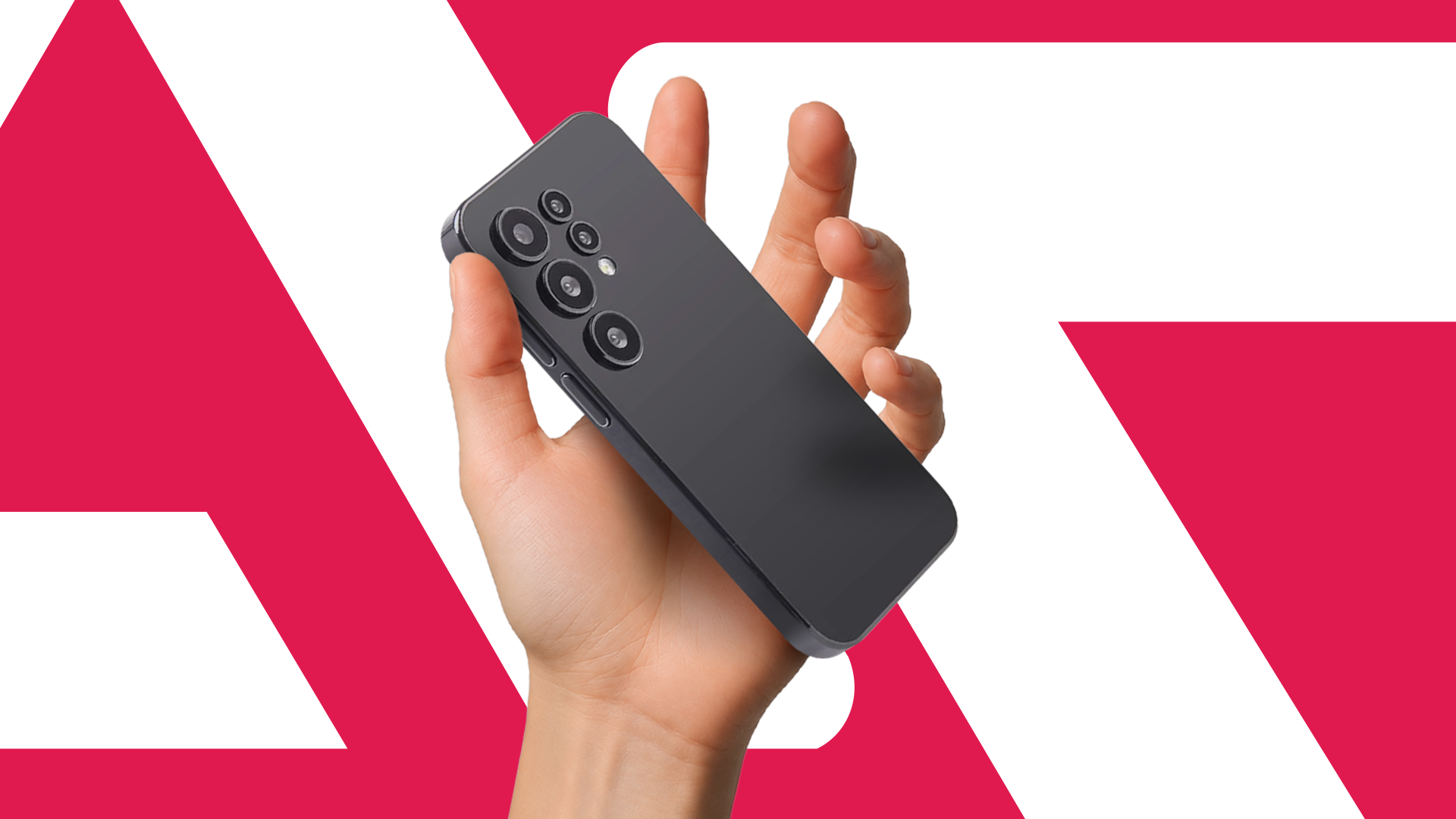
Apple discontinued its 4.7-inch iPhone SE design, replacing it with 6.1-inch displays on the iPhone 16e and 17e models. The move ends production of the company’s last compact smartphone option.
Android manufacturers exited the premium compact phone market years before Apple’s decision. No major smartphone maker now produces high-end devices smaller than six inches.
The 4.7-inch iPhone SE represented Apple’s final entry in the compact phone category. The company launched the original SE in 2016 with a design borrowed from the iPhone 5s.
Apple updated the SE line twice while maintaining the small form factor. The third-generation model arrived in 2022 with upgraded internals but kept the same exterior dimensions.
Market shift toward larger screens
Smartphone displays grew steadily larger over the past decade. International Data Corporation reported average screen sizes increased from 4.6 inches in 2014 to 6.3 inches in 2024.
Battery technology drove part of the size increase. Larger chassis accommodate bigger batteries, addressing consumer demand for all-day usage without charging.
Camera systems also require more internal space. Modern smartphones pack multiple lenses, sensors and image processing hardware that cannot fit in compact bodies.
The iPhone 16e and 17e adopt the same 6.1-inch display size as Apple’s standard iPhone models. This standardization simplifies manufacturing and reduces production costs.
Compact phone challenges
Small phones face practical limitations in 2026. Typing on screens under five inches proves difficult for many users, particularly with modern app interfaces designed for larger displays.
Battery life suffers in compact devices. A 4.7-inch phone typically houses a battery under 2,000 mAh, while 6-inch models exceed 4,000 mAh.
App developers optimize interfaces for screens six inches and larger. Smaller displays often truncate text, hide buttons or require excessive scrolling.
5G modems and supporting antennas demand significant internal space. Compact phones struggle to maintain signal strength compared to larger devices with room for better antenna arrays.
Niche market remains
Some manufacturers still produce small phones for specialized markets. Unihertz sells the Jelly series with sub-4-inch displays to enthusiasts seeking minimal devices.
Japanese carrier NTT Docomo offers compact Android phones exclusive to its network. These devices target older consumers who prefer smaller, simpler smartphones.
Sales data shows limited demand for compact premium phones. Apple never disclosed SE sales figures, but analysts estimated the line represented less than 5% of iPhone revenue.
The company positions the iPhone 16e and 17e as budget options rather than compact alternatives. Starting prices remain below flagship models while matching their screen sizes.
Sony discontinued its Compact line in 2021 after years of declining sales. The Xperia 5 series maintains a narrower body but uses a 6.1-inch display.
Samsung ended its Galaxy S Mini line in 2017. The company cited insufficient demand and difficulty differentiating compact models from mid-range offerings.
Asus stopped producing the Zenfone small variants in 2024. The Zenfone 10 marked the final entry in that series, measuring 5.9 inches.
-
-

-

-

-

-

-

-

