
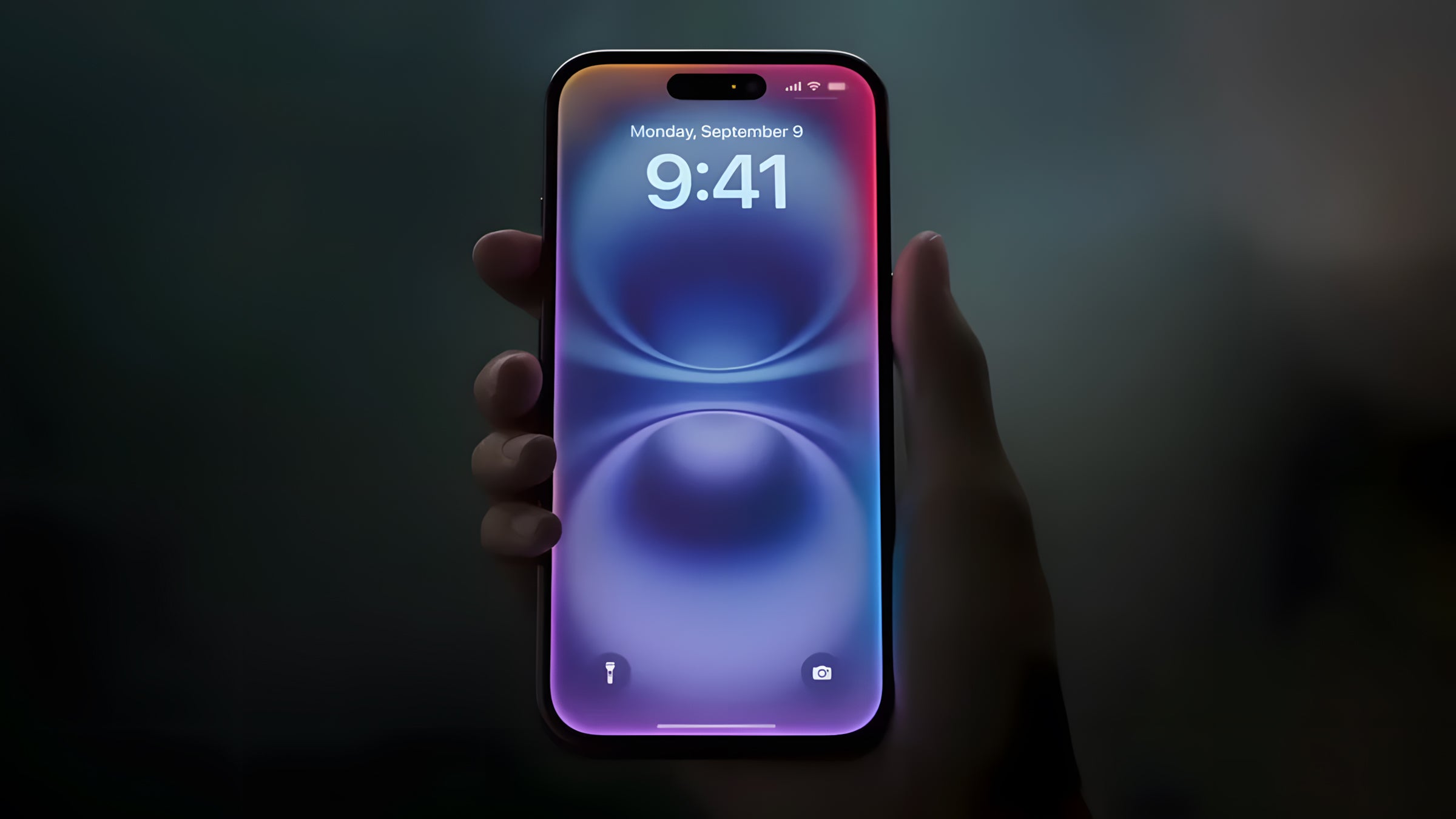
Apple pulled its WWDC 2026 promotional artwork from public view, raising questions about the scope of software announcements the company plans to make at its annual developer conference.
The removal follows months of reported setbacks in Apple’s effort to deliver a more capable, AI-driven version of Siri, which the company first previewed at WWDC 2024.
Siri’s Troubled Rollout
Apple announced an overhaul of Siri at its June 2024 developer conference, promising deeper integration with third-party apps and on-screen awareness powered by its Apple Intelligence platform.
The company later pushed back key features. Bloomberg reported in early 2025 that Apple delayed the more advanced Siri capabilities, including the ability to take actions across apps, into future software updates.
That delay drew scrutiny from analysts and developers who had built expectations around the original timeline.
Conference Goes Dark
Apple typically seeds promotional imagery and teaser art ahead of WWDC to build developer interest. The absence of that material for the 2026 event is a departure from recent years.
The company has not issued a public statement explaining the removal. Apple did not respond to requests for comment on the matter.
WWDC 2026 is expected to take place in June, following Apple’s established annual schedule. The conference serves as the primary venue where Apple previews upcoming versions of iOS, macOS, iPadOS, watchOS, and visionOS.
Apple Intelligence Under Pressure
Apple Intelligence, the company’s umbrella brand for its on-device AI features, launched in phases beginning with iOS 18.1 in October 2024.
Still, many of the headline features Apple demonstrated in its 2024 marketing materials arrived late or in limited form. The more conversational, context-aware version of Siri has not shipped to users as of early 2025.
Reuters reported that Apple Chief Executive Tim Cook acknowledged the company was taking more time to get AI features right during an earnings call earlier this year.
Apple faces competitive pressure from Google, Microsoft, and Samsung, all of which have shipped generative AI features across their mobile and desktop platforms.
Google updated its Gemini assistant with more capable on-device and cloud-hybrid reasoning features on Android devices through 2024 and early 2025.
Microsoft embedded its Copilot AI more deeply into Windows 11 and its mobile applications over the same period.
By contrast, Apple has positioned its approach around user privacy and on-device processing, arguments it has repeated across product launches and regulatory proceedings.
The company processes many Apple Intelligence tasks locally on device rather than routing them through external servers, a design choice that adds engineering constraints compared with cloud-first competitors.
Apple reported $124.3 billion in revenue for its fiscal first quarter of 2025, according to official company filings, with services revenue reaching a record $26.3 billion. Software features tied to Apple Intelligence are considered a factor in Apple’s effort to sustain iPhone upgrade cycles.
-

-

-

-

-

-

-

-

