
A feature buried inside Google Photos is doing something cameras were never designed to do — embarrass their owners.
The tool, which surfaces what the app considers “meaningful” images from a user’s library, draws on machine learning to separate snapshots worth revisiting from the visual clutter that accumulates on most phones.
What the feature does
Google Photos uses on-device and cloud-based AI to analyze images for faces, locations, and scene quality, then promotes certain photos in memory reels and highlights reels. The rest — screenshots, blurry duplicates, food snaps — largely disappear from curated views.
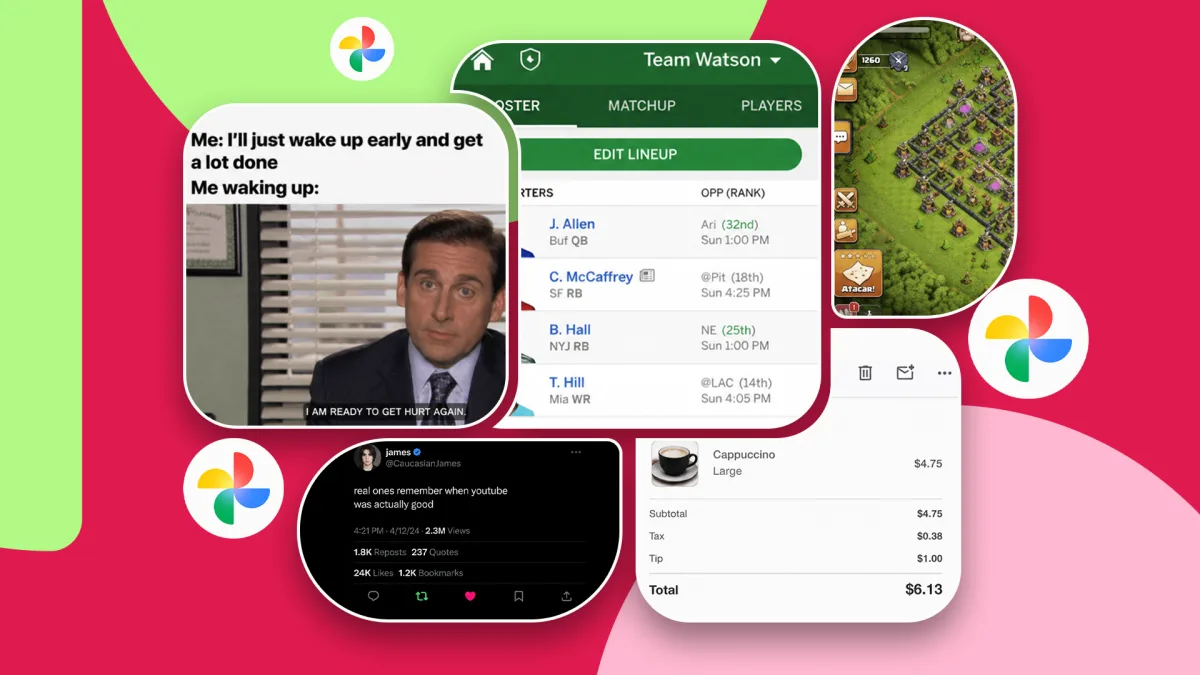
For many users, the filtered result is a surprisingly thin collection. Most of what remains after the algorithm works through a camera roll turns out to be accidental photography: receipts, parking signs, QR codes.
The camera arms race
Smartphone makers have spent years competing on camera hardware. Apple and Samsung both positioned computational photography — software processing that enhances images automatically — as a headline feature in their flagship devices through 2023 and 2024.
The result is phones technically capable of producing images that rival dedicated cameras. That capability, though, has not translated into more meaningful photography for the average user.
Volume versus intent
The average smartphone user takes hundreds of photos each month. Google has said its Photos service stores more than 4 trillion images, with uploads running at roughly 28 billion new photos and videos per week as of its last public disclosure.
Most of those images serve a functional purpose at the moment of capture and none afterward. A boarding pass photograph, for instance, satisfies an immediate need but holds no personal value once the flight lands.
The Google Photos feature makes that distinction visible in a way that manual scrolling through a camera roll rarely does.
Shooting habits
Camera quality has long driven phone purchase decisions. Buyers frequently cite camera performance as the top hardware consideration, according to consumer surveys conducted by Counterpoint Research.
Still, better optics do not change shooting behavior on their own. High-resolution sensors and wide apertures improve the technical quality of whatever a user points the lens at — they do not change what the user decides to photograph.
The Google Photos curation tool effectively asks a question the hardware never could: of everything you captured, how much was worth capturing?
Context on photo behavior
Research published in peer-reviewed journals has explored what psychologists call the “photo-taking impairment effect” — the finding that photographing an object can reduce how well a person remembers it. A 2014 study in Psychological Science found participants who photographed museum objects remembered fewer of them than those who only observed.
The implication is that high-volume, low-intent photography may trade genuine experience for a digital archive that few people revisit.
Google’s feature does not solve that problem. It surfaces what the algorithm judges as worth keeping — a judgment that reflects pattern recognition, not personal meaning.
-

-

-

-

-

-

-

-

