
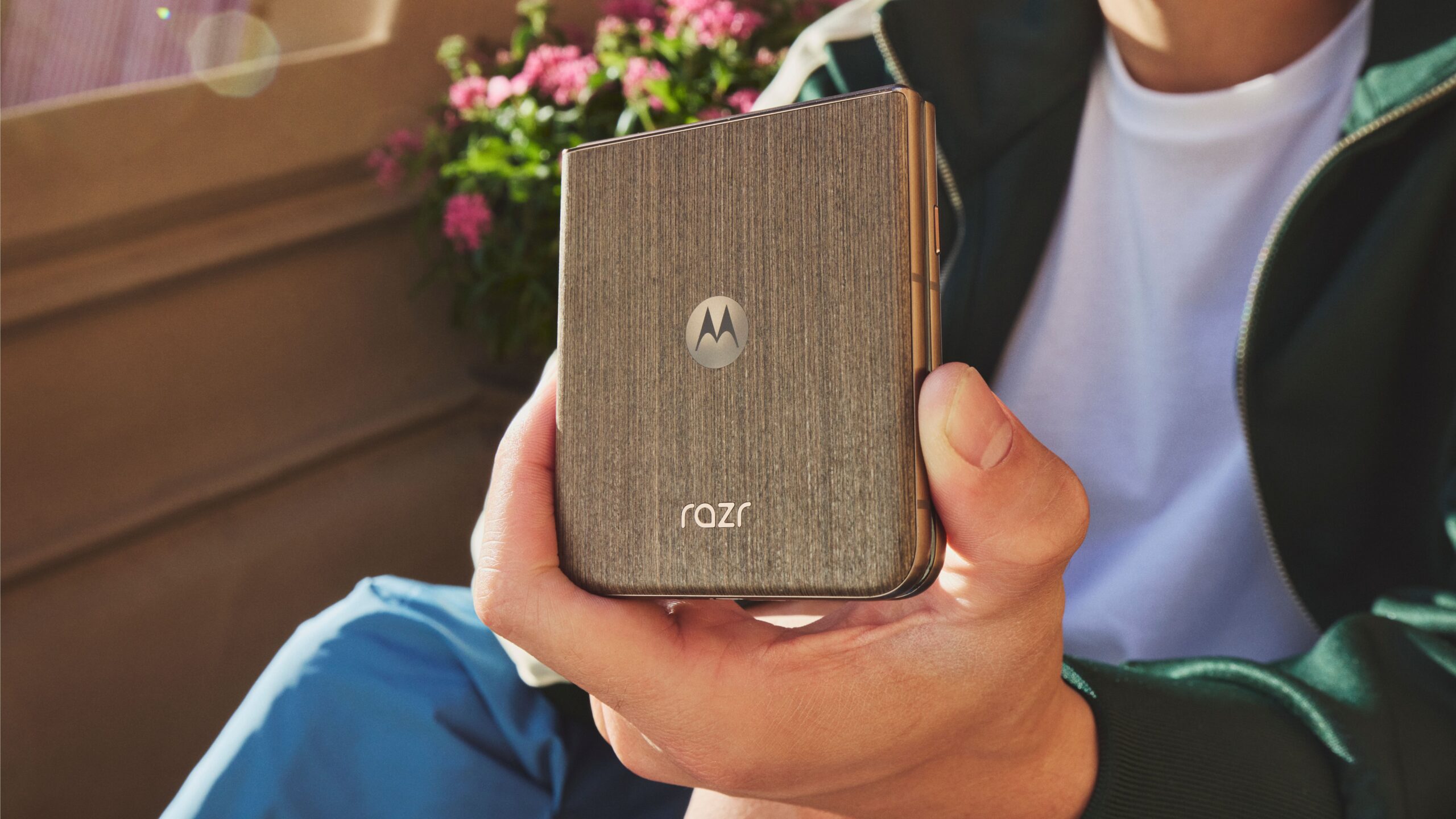
Motorola confirmed it has disabled a feature on its Android phones that silently redirected users’ Amazon app searches through the company’s own affiliate links, allowing Motorola to collect a cut of any resulting purchases.
The practice came to light after users noticed their devices were intercepting queries made through the phone’s built-in search tools and rerouting them to Amazon storefronts tagged with Motorola’s affiliate code.
How It Worked
Affiliate links are tracking URLs that retailers and marketplaces use to credit a referring party — in this case Motorola — with a commission when a user completes a purchase after following the link.
Users had not consented to the redirection. No disclosure appeared during device setup or in Motorola’s published terms of service, according to reporting by Android Police.
The feature operated inside the phone’s default search and shopping tools, sitting between the user’s intent and the destination without any visible indication it was active.
Motorola’s Response
Motorola said it turned off the redirection after the issue surfaced publicly. The company has not said how long the feature was active or how many devices carried it.
It also has not disclosed how much affiliate revenue the practice generated. No filing with the U.S. Federal Trade Commission, which requires clear disclosure of material affiliate relationships in consumer-facing contexts, has been publicly identified in connection with the feature.
The FTC’s endorsement and testimonial guidelines require that any material connection between a recommending party and a merchant — including affiliate compensation — be clearly and conspicuously disclosed to consumers.
Broader Context
Motorola is owned by Lenovo, the Chinese technology group that acquired the handset brand from Google in 2014 for approximately $2.91 billion, according to Reuters archives.
Lenovo reported smartphone revenue as part of its Intelligent Devices Group, which posted $14.1 billion in revenue for the fiscal year ending March 2024, per Lenovo's official annual report.
Motorola devices run a lightly modified version of Android and have historically marketed that near-stock experience as a selling point against heavier manufacturer skins.
The episode fits a wider pattern in consumer electronics where device makers have pursued software-based revenue streams — including pre-installed apps, search default deals, and affiliate arrangements — to supplement thinning hardware margins.
GSMA Intelligence data show global smartphone average selling prices have remained under pressure, with budget and mid-range segments, where Motorola competes most actively, seeing the steepest margin compression over the past three years.
The FTC has signaled increased scrutiny of pre-installed software and default settings on consumer devices, though it has not announced any action specifically targeting Motorola’s affiliate redirection practice.
-

-

-

-

-

-

-

-

