
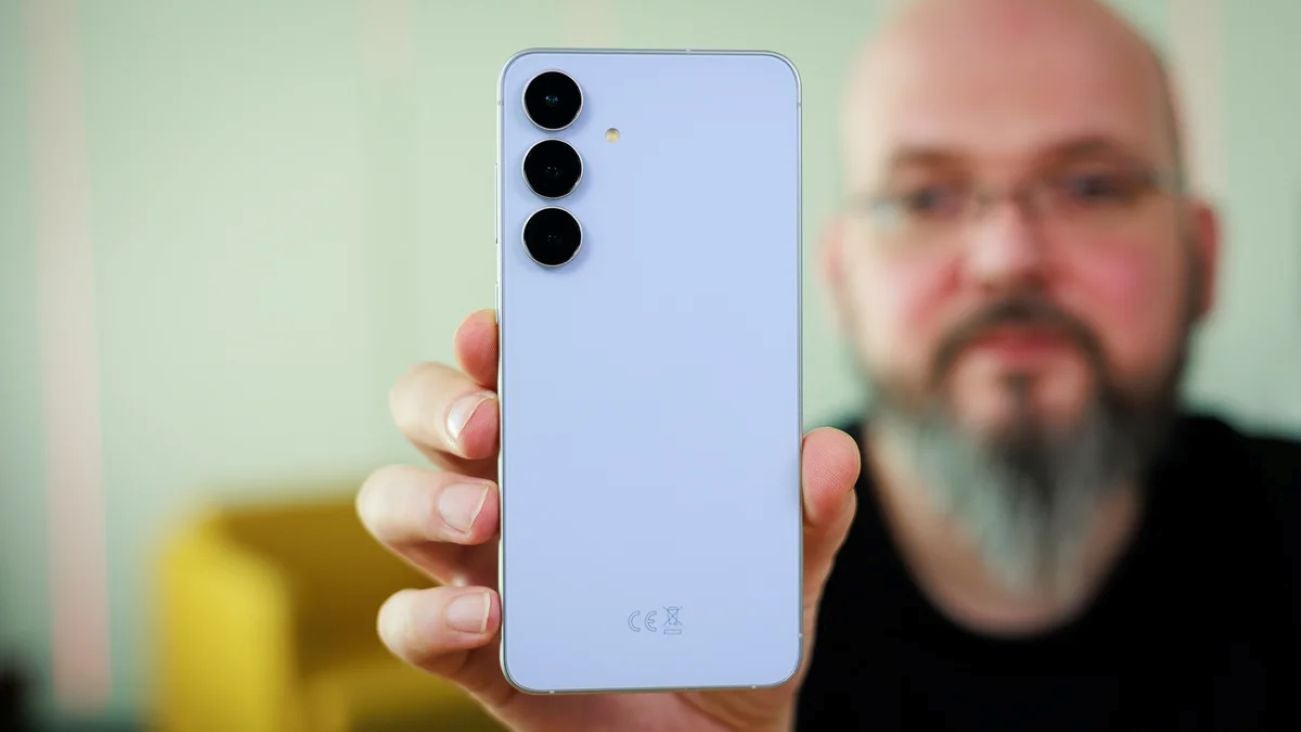
A Samsung Galaxy S25 FE smartphone exploded near a woman’s head and her 8-year-old child while they slept, adding to a growing number of reported battery failures involving the device.
The woman said the phone detonated at close range as she and her child lay beside it. Neither reported serious physical injury, but the incident left visible damage consistent with thermal runaway — a chain reaction inside a lithium-ion battery that generates rapid, uncontrolled heat.
What Is Thermal Runaway
Lithium-ion batteries, the standard power source in modern smartphones, can enter thermal runaway when internal cells short-circuit, overheat, or suffer physical stress. The reaction accelerates faster than it can be contained, often producing fire, smoke, or in severe cases, an explosion.
Samsung has not issued a public statement on this specific incident at the time of publication.
Pattern of Reports
This incident follows at least one other reported Galaxy S25 FE battery failure disclosed within recent days. The S25 FE, Samsung’s mid-range flagship variant, launched in 2025 as a more accessible version of the Galaxy S25 lineup.
Samsung has not announced a recall or safety review for the S25 FE as of publication. The company has previously managed high-profile battery crises, most notably the Galaxy Note 7 recall in 2016, which the U.S. Consumer Product Safety Commission formally classified as a fire hazard and which resulted in a full global withdrawal of the device.
The Note 7 episode prompted Samsung to overhaul its battery testing protocols and establish an eight-point battery safety check, according to Samsung’s own published disclosures at the time.
Regulatory Context
In the United States, consumers can report dangerous product incidents directly to the U.S. Consumer Product Safety Commission, which maintains a public database of injury and hazard reports. The database allows the agency to identify patterns that may trigger formal investigations or mandatory recalls.
The European Union's product safety framework, updated under the General Product Safety Regulation effective 2024, requires manufacturers to notify authorities when they become aware of a serious risk, even absent a confirmed defect rate.
Samsung Electronics is headquartered in Suwon, South Korea, and sells devices in more than 180 countries. The Galaxy S series represents its highest-volume premium smartphone line.
Battery-related incidents in consumer electronics fall under the jurisdiction of multiple regulatory bodies depending on geography, which can slow coordinated international responses. The International Electrotechnical Commission sets baseline safety standards for lithium-ion cells used in portable devices, though enforcement remains the responsibility of individual national regulators.
-
-

-

-

-

-

-

-

