
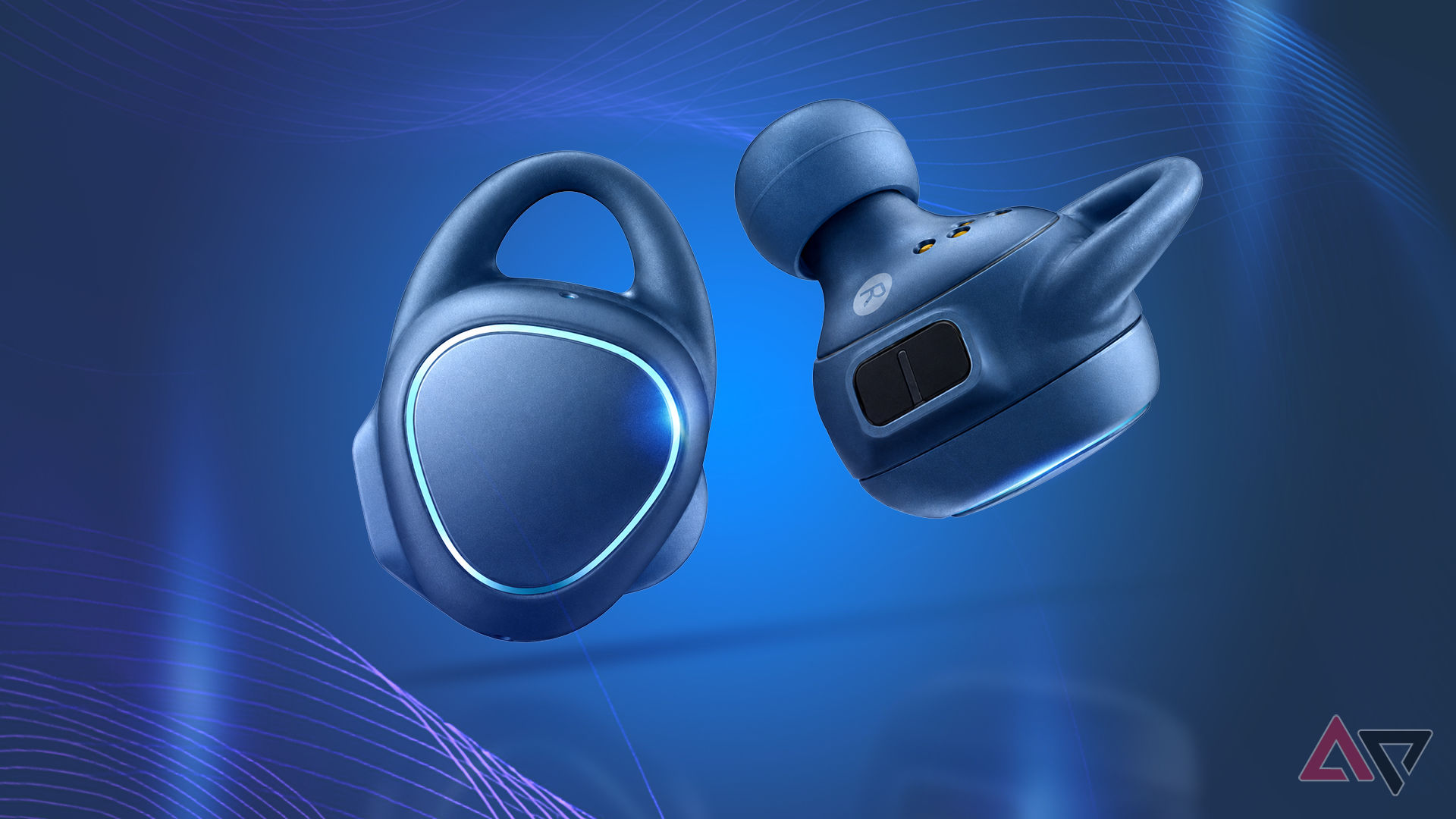
Samsung Electronics owns some of the most recognized names in audio equipment, including AKG, Harman International, JBL, and Denon. The South Korean conglomerate acquired Harman in 2017 for $8 billion, according to Samsung's investor relations filings.
That acquisition gave Samsung deep expertise in audio engineering. Yet the company’s current Galaxy Buds lineup lacks several features that appeared in its earliest wireless earbuds nearly a decade ago.
Gear IconX Introduced Standalone Functionality
Samsung released the original Gear IconX in 2016 as its first truly wireless earbuds. The device included 4GB of internal storage, allowing users to load music directly onto the earbuds and leave their phones behind during workouts.
A built-in accelerometer tracked running metrics. Users could monitor pace, distance, and heart rate without carrying a smartphone.
The company updated the line with the Gear IconX 2018 edition. It expanded storage to 8GB and improved battery life, which had drawn criticism in the original model.
Samsung discontinued the Gear IconX series after launching the Galaxy Buds in 2019. The newer line dropped standalone storage entirely.
Modern Galaxy Buds Require Phone Connection
Current Galaxy Buds models function primarily as Bluetooth accessories. They stream audio from connected devices but cannot store or play music independently.
Samsung removed the fitness tracking sensors as well. Users who want heart rate monitoring during exercise must wear a separate Galaxy Watch or Galaxy Ring.
The company has not explained publicly why it abandoned these features. Samsung’s press materials for recent Galaxy Buds releases focus on active noise cancellation and audio quality rather than standalone functionality.
Competitors Have Not Filled the Gap
Apple’s AirPods Pro and AirPods 4 also lack onboard music storage. Google’s Pixel Buds operate the same way.
Sony, Jabra, and other major earbud manufacturers have similarly avoided building standalone playback into their products. The feature remains absent across the premium wireless earbud market.
Some fitness-focused devices retain the capability. Certain Garmin watches include music storage for phone-free workouts. Shokz offers bone conduction headphones with internal storage aimed at runners.
Still, no major manufacturer currently sells truly wireless earbuds with both standalone music playback and fitness tracking in a single device.
Technical Tradeoffs Likely Drove the Decision
Adding storage and sensors increases component costs. Battery drain rises as well, since onboard playback requires the earbuds to handle audio decoding rather than receiving pre-processed Bluetooth streams.
The Gear IconX 2016 delivered roughly five hours of Bluetooth playback but only 3.6 hours when playing from internal storage, according to Samsung’s original specifications.
Weight posed another challenge. Fitness sensors and flash memory chips added bulk to an already compact form factor. Consumers increasingly prioritized smaller, lighter earbuds through the late 2010s.
Streaming services also changed user behavior during this period. Spotify reported 456 million monthly active users by the end of 2022, according to Spotify's Q4 2022 earnings report. Apple Music, YouTube Music, and other platforms saw similar growth.
Fewer buyers wanted to manually transfer MP3 files when unlimited streaming catalogs sat in their pockets.
Samsung Continues Investing in Audio Hardware
The company released the Galaxy Buds 3 and Galaxy Buds 3 Pro in July 2024. Both models feature AKG-tuned drivers and adaptive noise cancellation.
Samsung emphasized spatial audio and translation capabilities in its marketing. The earbuds work with Samsung’s Galaxy AI features to provide real-time language interpretation during conversations.
Harman International continues operating as a Samsung subsidiary. It reported $7.1 billion in revenue for fiscal year 2023, according to Harman's corporate filings.
JBL, which Harman owns, sells wireless earbuds under its own brand. None of its current models include standalone music storage either.
Niche Demand Persists Among Runners and Gym Users
Online forums and product review comments regularly feature requests for earbuds with built-in storage. Runners who prefer leaving phones at home represent a vocal subset of potential buyers.
Swimmers face particular challenges. Bluetooth signals cannot travel through water, making phone-connected earbuds useless in pools. Standalone playback remains the only option for underwater listening.
Specialty manufacturers target this market. Brands like Finis and H2O Audio sell waterproof earbuds with internal storage specifically for swimmers.
Mainstream manufacturers have shown no indication they plan to revisit standalone functionality. Samsung’s Galaxy Buds roadmap, based on recent releases, prioritizes AI integration and sound quality over phone-free operation.
-

-

-

-

-

-

-

-

