
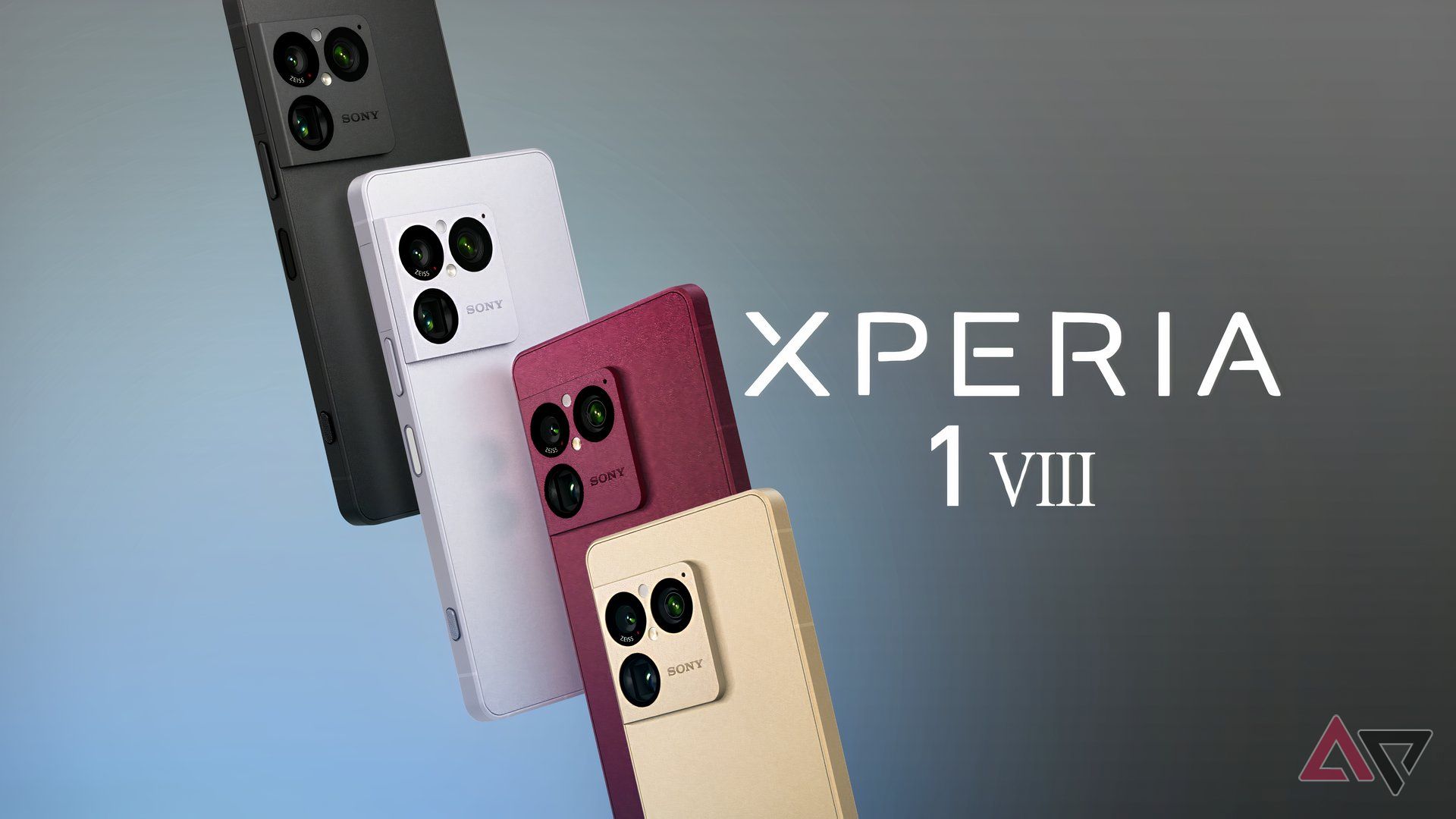
The Sony Xperia 1 VIII arrived this week without a U.S. release, continuing a pattern that has kept Sony’s flagship Android phones out of American retail channels for years.
The device includes features that rival Samsung Galaxy phones lack. Its 6.5-inch display refreshes at 120Hz while maintaining a 21:9 aspect ratio, a taller format that differs from mainstream flagships. The camera system separates the telephoto and ultra-wide lenses into distinct modules, a design choice that reflects Sony’s imaging heritage.
The Xperia line has endured market headwinds since its debut. Sony spun out its mobile division into a separate subsidiary in 2020, signaling internal doubts about smartphone profitability even as the company invested in annual refreshes.
The company has released an Xperia phone every year since 2017, yet none have gained traction in the U.S. market. Carriers rarely stock them. Best Buy carries select models sporadically. This absence matters: the U.S. represents roughly 15% of global smartphone revenue, and distribution through carriers and major retailers remains essential for volume sales.
Samsung controls the premium Android market in America through carrier partnerships and retail presence. By contrast, Sony sells its phones directly to consumers in most regions outside Japan—a model that works in markets with robust online commerce but struggles against carrier-driven distribution in the U.S.
The company has not disclosed why it skips the U.S. market, but industry analysts point to economics. Sony’s smartphone operation remains unprofitable, according to the company’s earnings reports. Launching in America would require carrier negotiations, marketing spend, and supply chain investment that the division cannot justify given its size.
Meanwhile, Sony’s camera sensor business thrives. The company supplies image sensors to Apple, Samsung, and other manufacturers. That division generates far more profit than phones do. Some observers question whether Sony continues making phones to preserve relationships with camera customers rather than to chase phone market share.
The Xperia 1 VIII competes on specifications. Its Snapdragon 8 Gen 1 processor matches flagship rivals. The 12-megapixel main sensor pairs with a 12-megapixel telephoto and 12-megapixel ultra-wide camera, a triple setup that mirrors Samsung’s approach but with different lens configurations. Battery capacity reaches 5,000 mAh, standard for large flagships.
Price positioning adds complexity. Sony charges roughly 1,300 euros (around $1,400) for the base model in Europe. That undercuts the most expensive Galaxy S22 Ultra variants in some regions but exceeds standard Galaxy S22 pricing. Without U.S. retail distribution, most Americans cannot easily comparison-shop or handle the phone in person before buying.
The broader pattern suggests Sony has accepted its niche position. It sells phones to enthusiasts and professionals in markets where it maintains presence. Japan remains a stronghold; Europe sees modest sales. The U.S. market stays closed, partly by choice and partly by circumstance.
Sony’s smartphone division continues losing money annually, yet the company funds yearly upgrades. Whether that changes depends on whether the division can reach profitability—a target it has missed for over a decade. Until then, American consumers will continue buying Samsung, Apple, and Google phones while Xperia flagships remain import-only purchases.
-
-

-

-

-

-

-

-

