
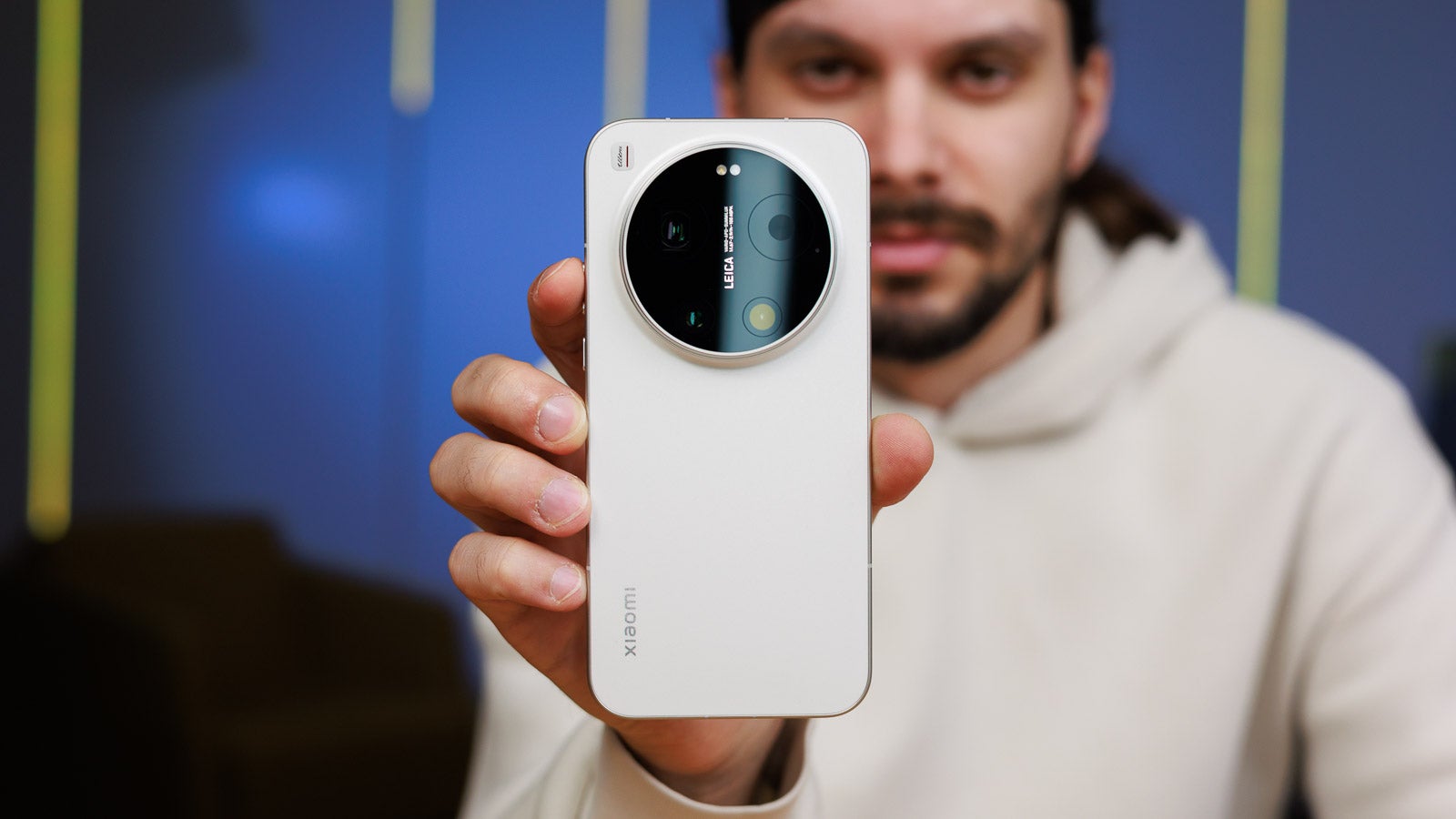
Xiaomi is developing a software-based privacy screen feature for HyperOS 4 that would limit screen visibility to the user, according to code strings discovered in an early build of the operating system.
The feature mimics the effect of a physical privacy filter — the kind that narrows a display’s viewing angle so bystanders cannot read the screen. Samsung is expected to build that capability directly into the hardware of the Galaxy S26 Ultra, requiring no software layer.
Xiaomi’s approach relies entirely on software, which means it could roll out to existing devices through a system update rather than requiring new hardware.
How It Works
A software privacy display typically works by darkening pixels around the edges of the viewing cone or rendering the screen unreadable from wide angles through selective dimming algorithms. The tradeoff is performance: the method draws more heavily on the processor and can reduce screen brightness compared with a hardware solution.
Still, the practical appeal is clear. Users who handle sensitive information in public spaces — on public transit, in open offices, or at airports — would gain a layer of visual security without buying a new device.
HyperOS 4 and Xiaomi’s Development Timeline
HyperOS 4 is Xiaomi’s next major operating system release, built on top of Android. The company has not announced a public release date.
Code strings in pre-release software builds are not guarantees of a shipped feature. Companies routinely test and then abandon functionality before a final release.
Xiaomi has not confirmed the feature publicly, and the company did not respond to a request for comment before publication.
Samsung’s Hardware Rival
Samsung’s Galaxy S26 Ultra is expected to include a hardware-level privacy display, a screen engineered at the panel level to restrict viewing angles without software processing. Hardware solutions of this type have appeared in laptop displays — Lenovo and HP have both offered them on ThinkPad and EliteBook lines, respectively — but the technology has been rare in smartphones.
A hardware privacy screen carries a cost premium. It requires a purpose-built display panel, which raises manufacturing costs and, typically, the retail price of the device.
By contrast, a software solution costs Xiaomi nothing to distribute to users who already own compatible phones.
Market Context
Xiaomi ranked third globally in smartphone shipments in the first quarter of 2025, behind Samsung and Apple, according to IDC. The company has been expanding HyperOS as a platform differentiator across its device lineup.
Privacy and security features have grown as a competitive axis in the smartphone market. Apple introduced App Privacy Reports in iOS 15, and Google added a microphone and camera indicator in Android 12, both responding to heightened user awareness around data access.
A software privacy display would add a physical-world dimension to that trend — protecting the screen from human eyes rather than from apps or network traffic.
-
-

-

-

-

-

-

-

