
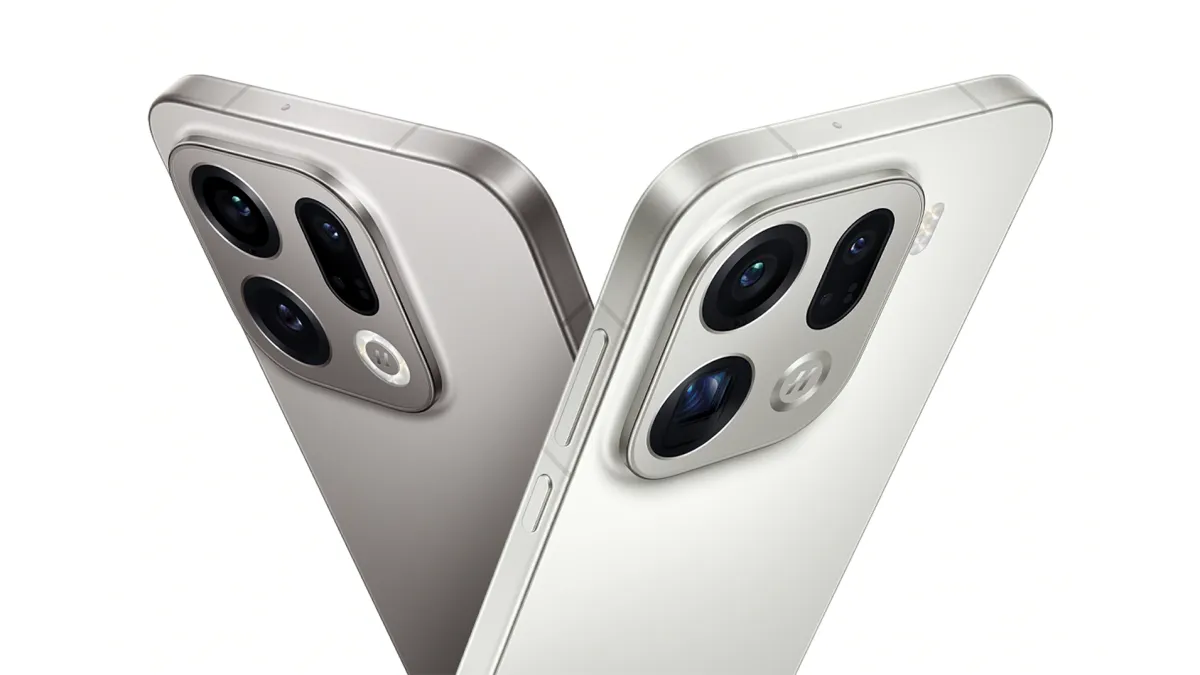
Apple will not include a key display upgrade in this year’s iPhone 18 Pro, according to industry reports, ceding potential ground to a Chinese competitor that most American consumers have never encountered.
The missing feature — widely anticipated by display analysts — marks a rare moment where Apple appears to trail a rival in screen technology on its flagship device.
Still, the identity of that rival matters. The brand expected to beat Apple to the upgrade holds almost no retail presence in the United States, limiting the practical competitive pressure it can apply in Apple’s most lucrative market.
What Apple Is Skipping
Supply chain analysts have pointed to the absence of a next-generation display panel type in the iPhone 18 Pro lineup, a feature Apple’s engineering teams had reportedly evaluated for inclusion before reportedly pulling it from the production roadmap.
Display upgrades on flagship smartphones typically center on panel efficiency, peak brightness, and refresh rate — the speed at which a screen redraws its image, measured in hertz.
Apple has not confirmed or denied any details about the iPhone 18 Pro‘s specifications. The company does not comment on unreleased products.
The Rival Moving Faster
The Chinese brand expected to ship the upgraded display technology first has built a strong following across Asia and parts of Europe, but its devices remain largely invisible on U.S. carrier shelves.
That dynamic reflects the broader split in the global smartphone market. IDC data shows Apple held roughly 18% of global smartphone shipments in 2024, while the top Chinese manufacturers collectively account for a dominant share of unit volume outside North America.
Even so, consumer awareness does not always track with technical leadership. Chinese handset makers have repeatedly introduced hardware features — under-display cameras, high-wattage fast charging, and foldable form factors — before Apple brought comparable versions to its own lineup.
Apple’s Typical Playbook
Apple has historically prioritized feature refinement over first-mover timing. The company tends to introduce technologies after the broader industry has stress-tested them, then markets its implementation as the definitive version.
That approach has served it commercially. Apple generated $201.18 billion in iPhone revenue in fiscal year 2024, according to its annual SEC filing.
In turn, missing a single display generation rarely dents iPhone sales in a meaningful way. Consumers who buy on the Apple ecosystem tend to upgrade on two-to-three-year cycles, making any one hardware omission easy to absorb by the following model year.
That said, display quality ranks among the top purchase drivers for smartphone buyers. A Consumer Intelligence Research Partners survey found screen performance consistently places in the top three factors cited by consumers when choosing a new phone.
Apple introduced ProMotion adaptive refresh — which adjusts screen redraw rate dynamically to save battery — with the iPhone 13 Pro in 2021, a technology Android flagships had carried for roughly two years prior.
-
-

-

-

-

-

-

-

