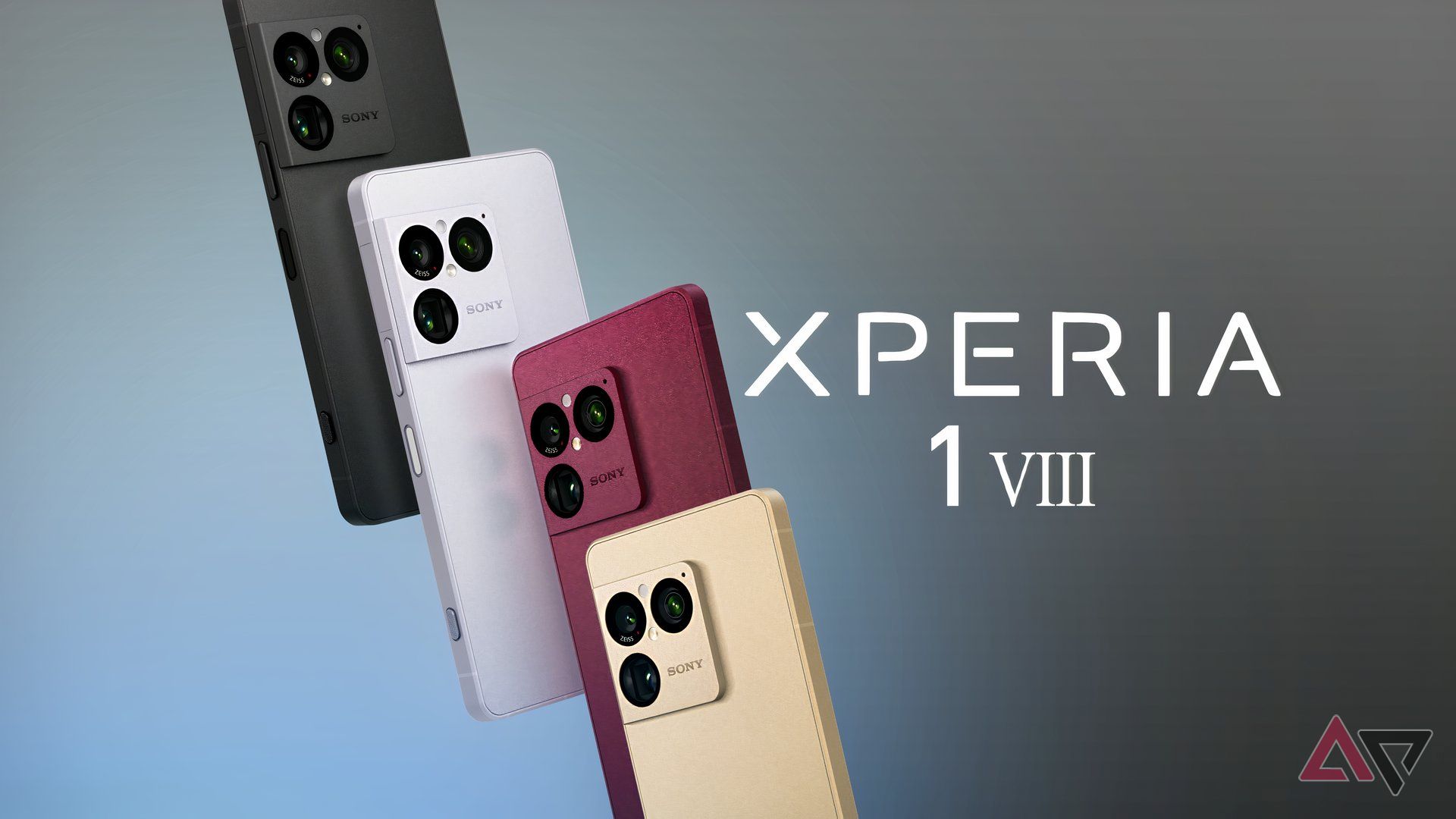
Sony announced the Xperia 1 VIII this week, its latest annual flagship that includes camera and display features competitors lack. The phone will not launch in the United States, marking a continuation of Sony’s pattern of limiting its premium Android devices to international markets.
The Xperia 1 VIII uses a 6.5-inch OLED display with a 21:9 aspect ratio and 120Hz refresh rate. Its camera system includes a 12-megapixel telephoto lens with optical image stabilization and a dedicated autofocus module—hardware choices that distinguish it from Samsung’s Galaxy S22 lineup, which relies on digital stabilization and computational photography.
Despite these specifications, Sony has failed to establish meaningful market share in the U.S. smartphone sector. The company does not publish sales figures, but market research firms track minimal Xperia presence in American retail channels. By contrast, Samsung, Apple and Google command roughly 90% of U.S. smartphone sales combined, according to Counterpoint Research.
The company’s withdrawal from the U.S. market stems from multiple factors. Carrier partnerships proved difficult to secure—the major U.S. carriers (Verizon, AT&T, T-Mobile) prioritize phones from Apple and Samsung that drive higher margins and customer loyalty. Without carrier subsidies and shelf space, Sony phones arrived in America only through unlocked channels, limiting awareness among consumers accustomed to carrier promotions.
Patent licensing costs also weighed on profitability. Sony holds intellectual property related to imaging and display technology, yet must license other companies’ patents to operate in the U.S. market. These legal fees compressed already-thin margins on premium devices.
The company faced stiff competition from OnePlus, Nothing and other brands that eventually captured the niche of “enthusiast phones” that Sony might have occupied. Those competitors built communities around software customization and early access to new Android features—areas where Sony never invested.
By 2021, Sony’s mobile division had posted consecutive years of losses. In May 2022, the company announced it would stop selling new Xperia phones in the U.S. market entirely, concentrating instead on Japan, Europe and parts of Asia where brand recognition remained stronger.
That decision reflected Sony’s broader strategy: position Xperia as a premium product for markets where the company maintains manufacturing capacity and established distribution. The Xperia 1 VIII will sell in Japan, the UK and select European retailers. Americans who want the phone must import it through third-party sellers, a route most consumers avoid due to warranty concerns and unfamiliar support channels.
Some analysts argue Sony could have succeeded with different positioning. Had the company launched devices at lower price points or partnered with carriers earlier, market penetration might have deepened. Even so, the window for that strategy has closed. Samsung’s dominance in high-end Android hardware has only strengthened since 2019.
The Xperia 1 VIII represents quality engineering that U.S. consumers will not easily access. Sony’s decision to abandon the American market reflects not technical shortcoming but commercial reality: profitability in smartphones requires scale, and scale requires partnerships Sony could never negotiate.