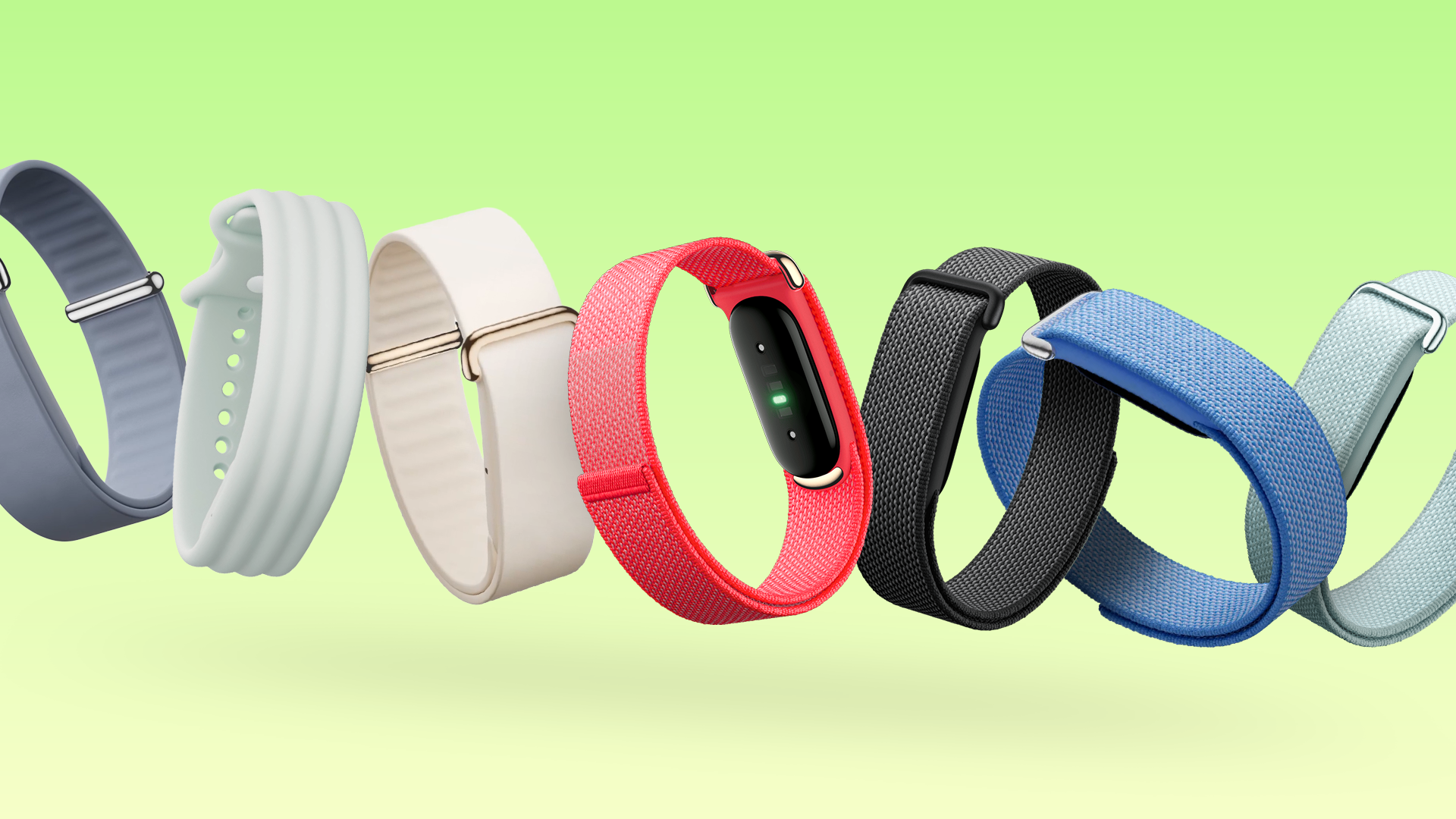
Google’s Fitbit Air earbuds have drawn some of the strongest hardware reviews the company has received in years, with critics pointing to improved battery life and a more defensible price point as the key departures from past releases.
Android Police, which has covered Google hardware across multiple product generations, said the Fitbit Air breaks from the pattern that has defined most Google device launches — strong software paired with battery performance and pricing that undercut the overall value proposition.
The Pattern Google Has Struggled to Break
For years, reviewers applied a consistent framework to Google hardware: the software experience stood out, but the battery life and cost made it hard to recommend without reservation.
That template held across Pixel phones, Pixel Buds, and Nest devices alike. Each generation drew praise for its integration with Google’s software ecosystem while leaving reviewers and consumers asking whether the hardware itself justified the asking price.
The Fitbit Air appears to be the first product in some time to meaningfully shift that calculus, according to early coverage.
What the Fitbit Air Gets Right
The device benefits from Fitbit’s established health-tracking infrastructure, which Google absorbed when it completed its Federal Trade Commission-reviewed acquisition of Fitbit in January 2021 for approximately $2.1 billion, according to Reuters.
That acquisition gave Google access to over a decade of wearable hardware development and a user base the company has since worked to fold into its broader health and fitness platform.
The Fitbit Air sits within the hearable market — a segment covering audio-enabled wearables with biometric or health-tracking features — which IDC projected would continue growing as consumers seek devices that combine audio performance with wellness data.
Google’s Hardware Ambitions
Google has pursued consumer hardware aggressively since launching its Made by Google line, but the division has logged mixed results in market share terms.
IDC data shows Apple dominates the global true wireless stereo earbuds market, with Samsung and other Android-ecosystem brands competing for the remainder. Google’s Pixel Buds line never secured a substantial foothold in that space.
The Fitbit brand carries stronger consumer recognition in wearables than the Pixel Buds label did in audio, which may work in the Air’s favor at retail.
Google has not publicly disclosed sales targets or shipment projections for the Fitbit Air.
Fitbit’s Role Inside Google
Since the acquisition closed, Google has used the Fitbit brand selectively, retiring some product lines while continuing others. The Fitbit Air represents one of the first releases to draw on both Fitbit’s hardware legacy and Google’s software depth in a single package.
Fitbit, founded in 2007, built its reputation on accessible fitness trackers before moving into smartwatches and, now, audio-focused wearables.