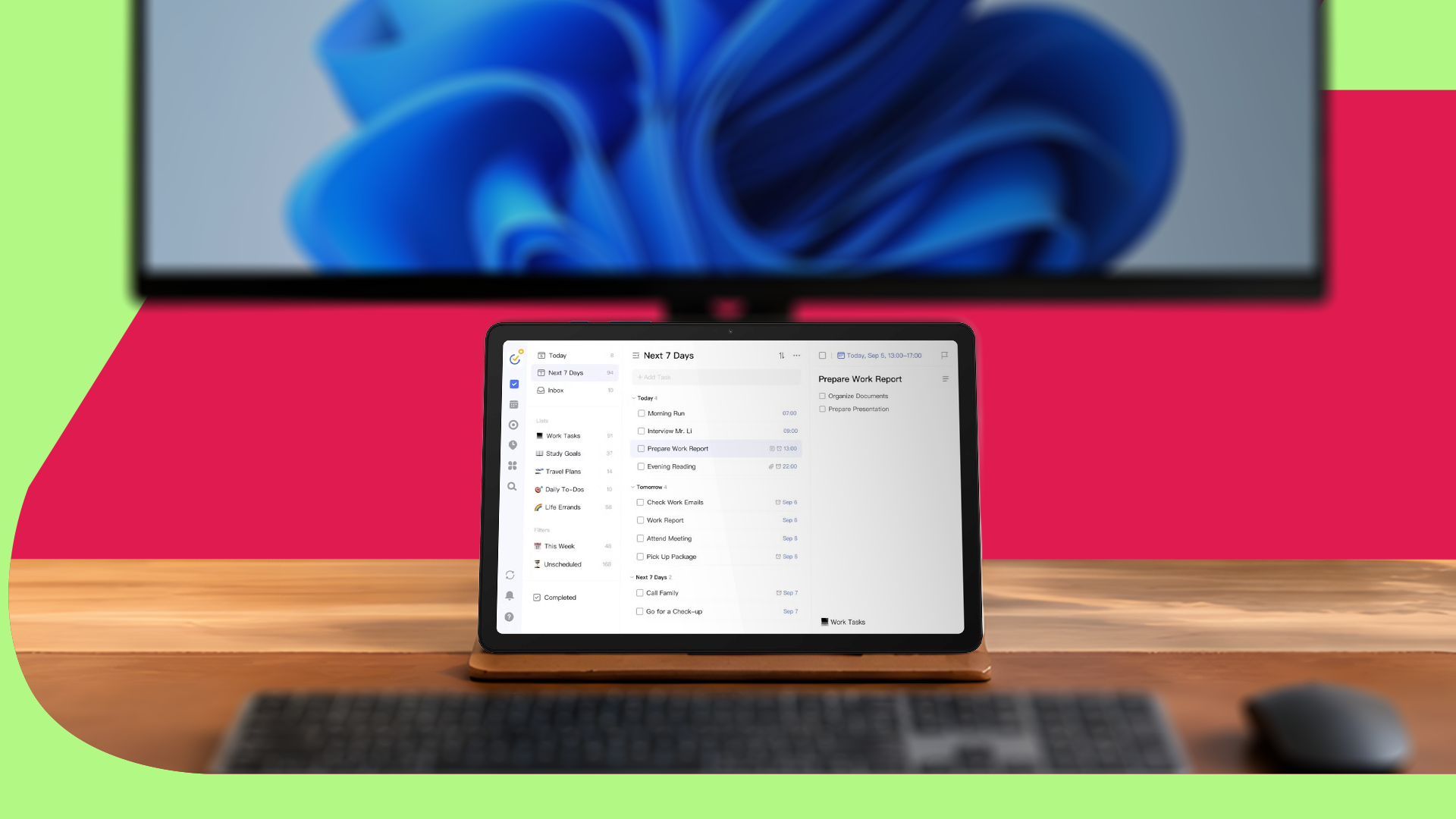
A budget Android tablet, not a flagship phone, now handles the secondary screen duties that smartphones have occupied on desks for years.
The shift is simple. A tablet propped beside a keyboard handles music playback, recipe browsing, quick video calls, and to-do list management more comfortably than a phone lying flat on a surface.
Why the Phone Lost Its Spot
Phones earn their place in pockets and bags. At a fixed desk, though, their small screens and horizontal posture work against them.
A tablet in a stand sits upright, stays visible, and keeps hands free. That single ergonomic difference removes the constant pick-up-put-down cycle a phone demands.
What Budget Tablets Now Offer
Entry-level Android tablets from brands such as Amazon and Lenovo sell for under $150. They run standard apps, support Bluetooth audio, and hold a charge through a full workday.
That price range removes the hesitation around dedicating a device to a single location. A $100 tablet left on a desk does not carry the same psychological cost as leaving a $900 phone there.
The Distraction Variable
Phones concentrate every notification — messages, social media, banking alerts — into one device. Placing that device at arm’s reach on a desk keeps those interruptions visible throughout the workday.
A dedicated tablet, configured with only the apps needed for music, calls, and task management, cuts that notification surface. Fewer alerts reach the eye line during focused work.
American Psychological Association research has linked smartphone proximity to reduced cognitive capacity during tasks, even when the device sits face-down and silent. The effect comes from the mental effort of actively ignoring it.
Cooking and Kitchen Use
Recipe apps on a phone screen require constant re-tapping to keep the display awake. Most phones also auto-lock within 30 seconds to two minutes under default settings.
A tablet propped on a counter or stand shows a full recipe without scrolling, stays on longer, and takes a tap from a knuckle or elbow without requiring a clean finger. That difference matters mid-prep.
Video Calls at the Desk
Phone video calls require either holding the device or finding something to lean it against. Neither solution is stable for calls longer than a few minutes.
A tablet on a stand sits at eye level, keeps the camera pointed forward, and frees both hands. Apps such as Google Meet and Zoom run identically on tablet and phone.
The Replacement Threshold
Not every household needs this setup. It makes the most practical sense for people who already work at a fixed desk for several hours daily and use a phone as a secondary screen out of habit rather than necessity.
The global tablet market shipped 157 million units in 2023, according to IDC, suggesting demand for larger personal screens remains steady despite the dominance of smartphones. Budget segments drove a share of that volume, with sub-$200 devices accounting for a growing portion of consumer purchases.