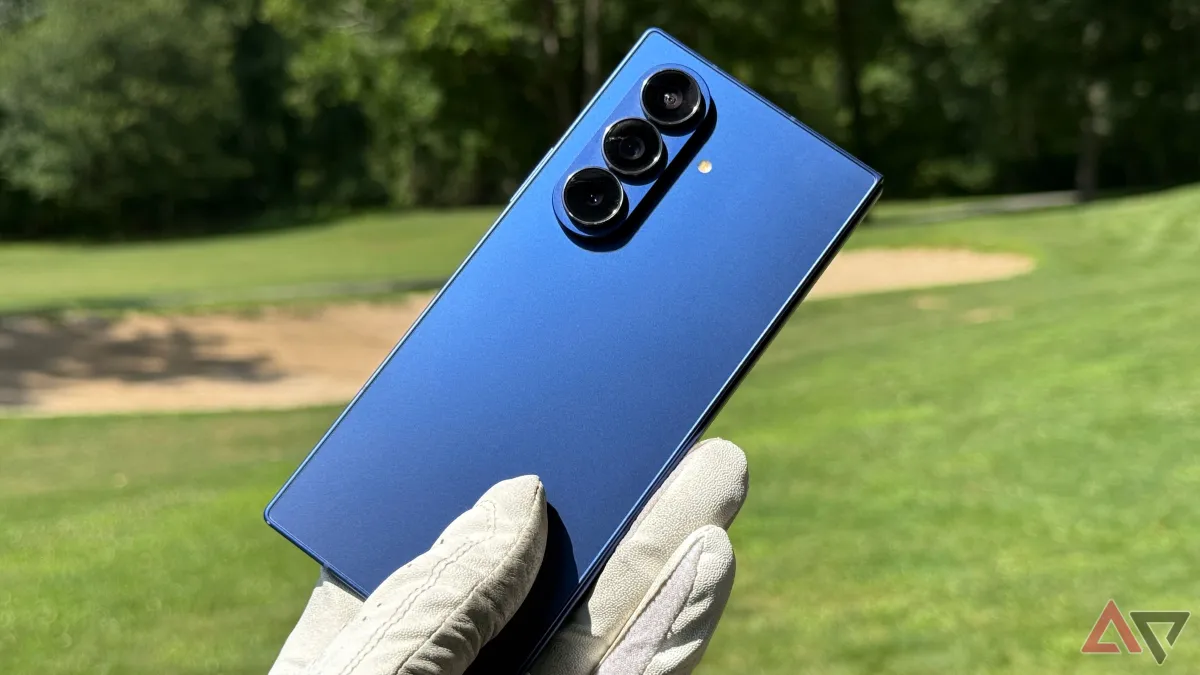
Samsung faces mounting pressure to address persistent durability problems with its foldable smartphone line before the Galaxy Z Fold 8 reaches consumers.
For years, foldable devices — phones that open like a book to reveal a larger interior display — have drawn criticism not for their novelty but for their staying power in real-world use.
The Core Problem
Buyers and reviewers have repeatedly flagged the same set of concerns: crease visibility on the inner screen, fragile hinge mechanisms, and protective films that peel or crack under normal daily use.
These are not minor cosmetic gripes. They go to the heart of whether a device priced well above $1,000 can hold up across a standard two- to three-year ownership cycle.
Samsung has made incremental improvements across successive Fold generations. Still, the improvements have not kept pace with consumer expectations for a product at this price point.
What Needs to Change
The inner display crease — the visible ridge running down the center of the screen where the phone folds — remains the most cited complaint among Fold owners. Competing devices from Google and Motorola have reduced crease depth, raising the bar Samsung must now clear.
Hinge durability is a separate concern. The mechanism endures thousands of open-and-close cycles over a phone’s life, and early Fold models showed wear that translated into wobble and misalignment over time.
Samsung addressed some hinge issues in the Fold 6. Even so, independent teardown analyses have shown the assembly still relies on design compromises that limit long-term resilience.
The protective display film — a thin polymer layer bonded to the inner screen — also continues to draw complaints. Unlike traditional tempered glass, the film scratches easily and, in some cases, lifts at the edges after extended use.
The Market Context
The global foldable smartphone market remains small but is growing. IDC reported that foldable shipments reached approximately 15.9 million units in 2023, up from 10 million in 2022, as manufacturers pushed the category toward mainstream adoption.
Samsung held the largest share of that market. That said, its dominance is no longer assured, with Chinese manufacturers including Huawei, Honor, and OnePlus aggressively expanding their foldable lineups with thinner profiles and improved screen technology.
Why It Matters Now
The Fold 8 arrives at a moment when the foldable category needs to convert skeptics, not just retain enthusiasts. Repeat buyers already committed to the form factor will likely upgrade regardless of marginal improvements. The harder task is convincing first-time buyers to spend premium money on a device they worry will deteriorate faster than a conventional smartphone.
Samsung has not publicly confirmed specifications or a release timeline for the Fold 8. The company typically unveils its Galaxy Z series devices in the second half of the calendar year.
The Galaxy Z Fold 6 launched in July 2024 at a starting price of $1,899.99 in the United States.