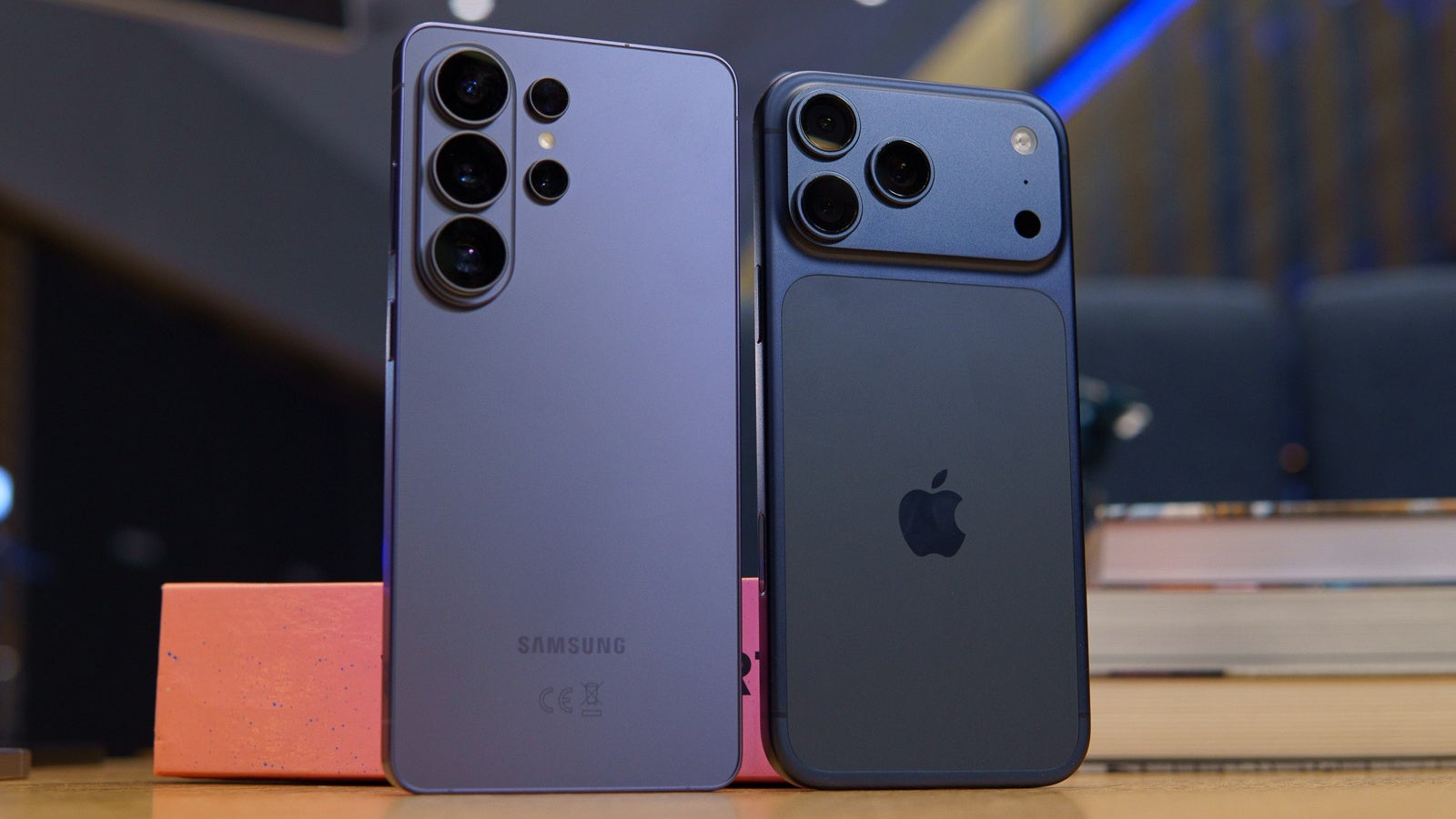
Android’s share of global smartphone sales is falling, but Apple is not positioned to close the gap quickly, according to a new market analysis.
The report offers little comfort to the dozens of hardware manufacturers — including Samsung, Xiaomi, and Oppo — that rely on Google’s Android operating system to power their devices.
What the Data Shows
Android controls the dominant share of the global smartphone market, but that share is contracting. Apple’s iOS, by contrast, is making incremental gains.
The shift is gradual. No single quarter has produced a dramatic swing, and analysts do not project one in the near term.
Why Android Is Losing Ground
Several factors are pressing on Android volumes. Consumers in mature markets — Western Europe, North America, Japan — are holding onto their handsets longer, which suppresses replacement cycles and reduces unit sales across the board.
At the same time, mid-range Android devices, long the engine of growth in emerging markets such as India and Southeast Asia, face tighter competition and thinner margins. Buyers are stretching upgrade intervals there as well.
Samsung, the world’s largest Android vendor by shipments, has faced particular pressure. Its mid-range Galaxy A series, designed to capture high-volume developing markets, competes directly with aggressive pricing from Chinese manufacturers including Xiaomi, Transsion, and Realme.
Apple’s Position
Apple is gaining share, but its growth rate does not suggest it will displace Android’s aggregate dominance in any foreseeable window. iOS devices carry higher average selling prices, which limits their addressable market in price-sensitive regions where Android volumes are largest.
Apple reported net sales of $391.04 billion for fiscal year 2024, according to Apple's official annual filing. iPhone revenue accounted for the largest portion of that total.
Still, Apple has made measurable inroads in India, a market it once treated as secondary. The company opened its first retail stores in Mumbai and Delhi in 2023 and has since expanded local manufacturing through suppliers including Foxconn and Tata Electronics.
The Broader Market
Global smartphone shipments totaled approximately 1.24 billion units in 2024, according to IDC. That figure reflects a modest recovery from the contraction seen in 2022 and 2023, when inflation and supply chain disruptions cut into consumer spending.
Android accounted for roughly 71.8 percent of global smartphone shipments in the fourth quarter of 2024, according to IDC. Apple held approximately 18.9 percent in the same period.
The gap — more than 50 percentage points — reflects Android’s structural advantage in markets where devices priced below $300 account for the majority of sales. Apple does not compete in that price tier.
Google’s Android operating system, released publicly in 2008, now runs on devices from more than 1,300 manufacturers worldwide, according to Google's Android developer documentation. That breadth gives it distribution reach no single manufacturer, including Apple, can replicate through a closed hardware-software model.