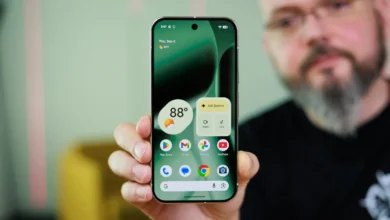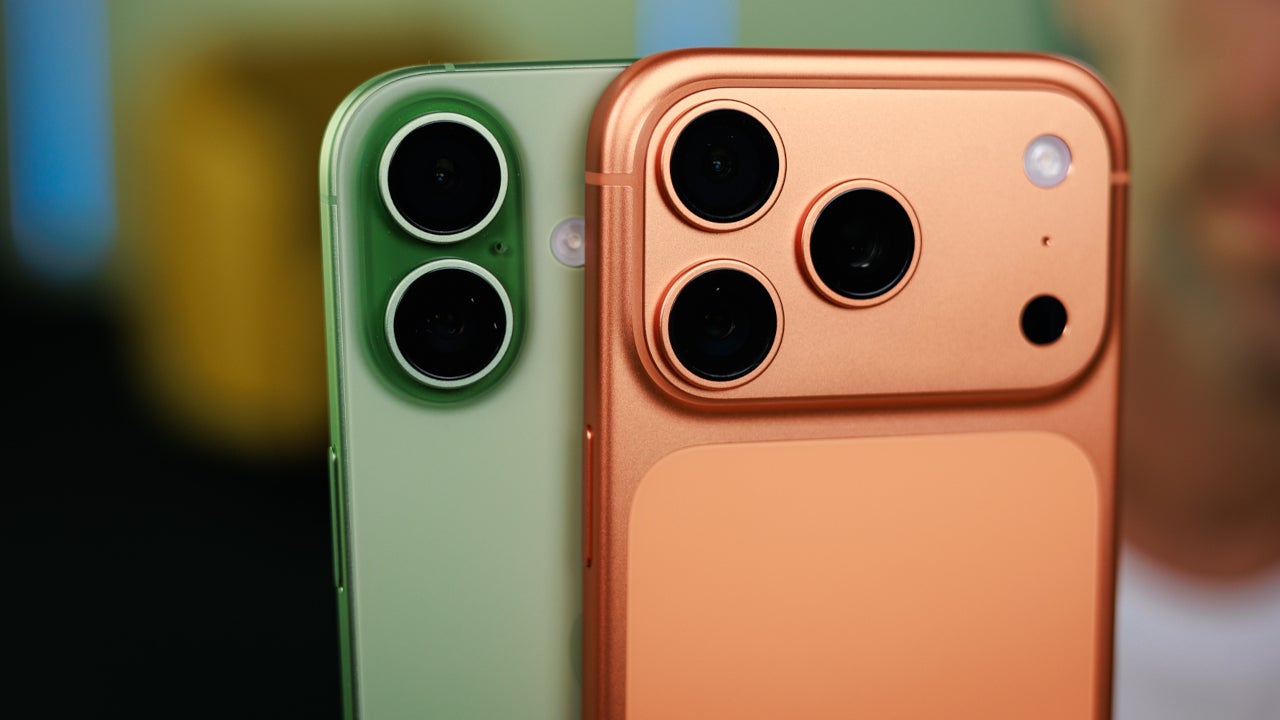
Apple is developing a security feature that would automatically lock an iPhone the moment someone snatches it from a user’s hand, according to a report from PhoneArena.
The feature would trigger an immediate device lockdown upon detecting a sudden, forced removal — before a thief could access the screen or change any settings.
How It Would Work
Current iPhone protections, including Stolen Device Protection introduced in iOS 17.3, require a thief to clear biometric and passcode hurdles before accessing sensitive data or disabling tracking. That system adds friction after theft but does not act at the precise moment of the grab.
The new feature appears designed to close that window entirely. By detecting abrupt motion consistent with a snatch, the iPhone would lock itself in real time.
Apple has not confirmed the feature or provided a release timeline. The company declined to comment publicly as of publication.
Theft Context
Street theft of smartphones remains a widespread problem in major cities. The Office for National Statistics recorded over 130,000 mobile phone theft offences in England and Wales in the year ending March 2023. In the United States, the Federal Communications Commission has estimated that roughly 1 in 10 Americans has had a mobile phone stolen.
Thieves who grab an unlocked phone can, within seconds, alter Apple ID credentials, disable Find My, and lock the owner out permanently. That sequence has prompted Apple to layer defenses through successive iOS updates.
Stolen Device Protection, which Apple made available in January 2024, requires Face ID or Touch ID — with no passcode fallback — to access passwords or change account settings when the device is away from familiar locations. It also imposes a one-hour security delay on certain changes.
Broader Security Push
Apple has steadily tightened iPhone security in response to a pattern of targeted thefts in which criminals observed victims entering passcodes before striking. A Wall Street Journal investigation in February 2023 detailed how thieves used that method to seize full control of victims’ iPhones and drain bank accounts.
Since then, Apple has shipped multiple security updates aimed specifically at limiting what a thief can do after gaining physical access to a device with a known passcode. An auto-lockdown feature triggered at the moment of theft would represent the earliest possible intervention in that chain.
Motion and context detection already exist within the iPhone’s hardware stack. The device carries an accelerometer, gyroscope, and barometer, all of which Apple uses for fall detection in the Apple Watch. Applying similar motion-analysis logic to detect a snatch on iPhone would draw on established sensor technology already inside the device.
No details on the underlying detection method, false-positive handling, or target iOS version have been made public.