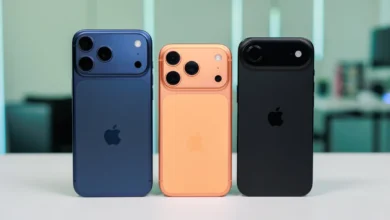
The European Union will require smartphone makers to fit their devices with user-replaceable batteries by 2027, but the rule carries a significant carve-out that leaves most Apple iPhone users unaffected.
The regulation stems from the EU Battery Regulation (2023/1542), which the European Parliament and Council formally adopted in July 2023. It sets binding requirements across the battery supply chain — from raw material sourcing to end-of-life recycling — and targets portable electronics sold within the EU’s single market.
What the Rule Actually Requires
Under the regulation, manufacturers must design smartphones so that consumers can remove and replace the battery themselves, using only basic, commercially available tools, by June 28, 2027.
The goal is to cut electronic waste — a category the European Environment Agency estimates is among the fastest-growing waste streams in Europe — by extending device lifespans and making battery replacement cheaper and easier for consumers.
Still, the law does not demand a return to the pop-off back panels common in the early Android era. Manufacturers can use adhesive or screws, provided the replacement process remains genuinely accessible to an ordinary user without specialized equipment.
Why iPhones Are Largely Exempt
The carve-out comes down to market scope. The regulation applies to devices sold in the EU, and Apple sells iPhones globally under a unified hardware design.
That said, Apple does not manufacture a separate EU-specific iPhone chassis. Redesigning the device solely for European compliance would mean applying that design worldwide — or splitting its global product line, a costly and operationally complex move the company has so far resisted for battery architecture.
Analysts and industry observers have noted Apple May instead pursue compliance through the EU’s alternative pathway: manufacturers can seek an exemption if they demonstrate that a replaceable-battery design would compromise water resistance, structural integrity, or other certified safety standards to a degree that outweighs the environmental benefit.
Apple’s current iPhone lineup carries an IP68 rating — a standardized measure of dust and water resistance — and the company has previously cited that rating as central to the device’s engineering. Whether that argument satisfies EU regulators remains to be determined.
Who It Will Affect
Android device makers face far greater immediate pressure. Brands including Samsung, Google, and Xiaomi sell high volumes across EU member states and have already begun adjusting designs in anticipation of the 2027 deadline.
Samsung, for example, publicly acknowledged the regulation’s impact during investor briefings, and some mid-range Android manufacturers have revived modular battery concepts in prototype stages.
By contrast, smaller wearable and feature-phone makers may face the steepest engineering challenge, as compact form factors make accessible battery design significantly harder to achieve within the regulation’s parameters.
The Broader Context
The battery rule sits inside a wider EU push toward a circular economy — a policy framework aimed at keeping products and materials in use longer to reduce waste and resource consumption.
The European Commission has paired the battery regulation with the Ecodesign for Sustainable Products Regulation, which sets repairability and durability standards across a broad range of consumer goods, from textiles to electronics.