The Fitbit Air is drawing interest from a segment of consumers who have historically gravitated toward devices packed with features — a shift that points to changing expectations in the wearable technology market.
For many tech buyers, the appeal of a new device rests on specifications: a sharper sensor, a faster processor, or a software capability unavailable elsewhere. That calculus appears to be shifting for some users, who say simpler, more focused hardware now holds more appeal.
The Draw of Simplicity
Wearable devices have grown increasingly complex over the past decade. Smartwatches and fitness bands now routinely offer GPS tracking, blood oxygen monitoring, sleep staging, and contactless payments — features that once required several separate devices.
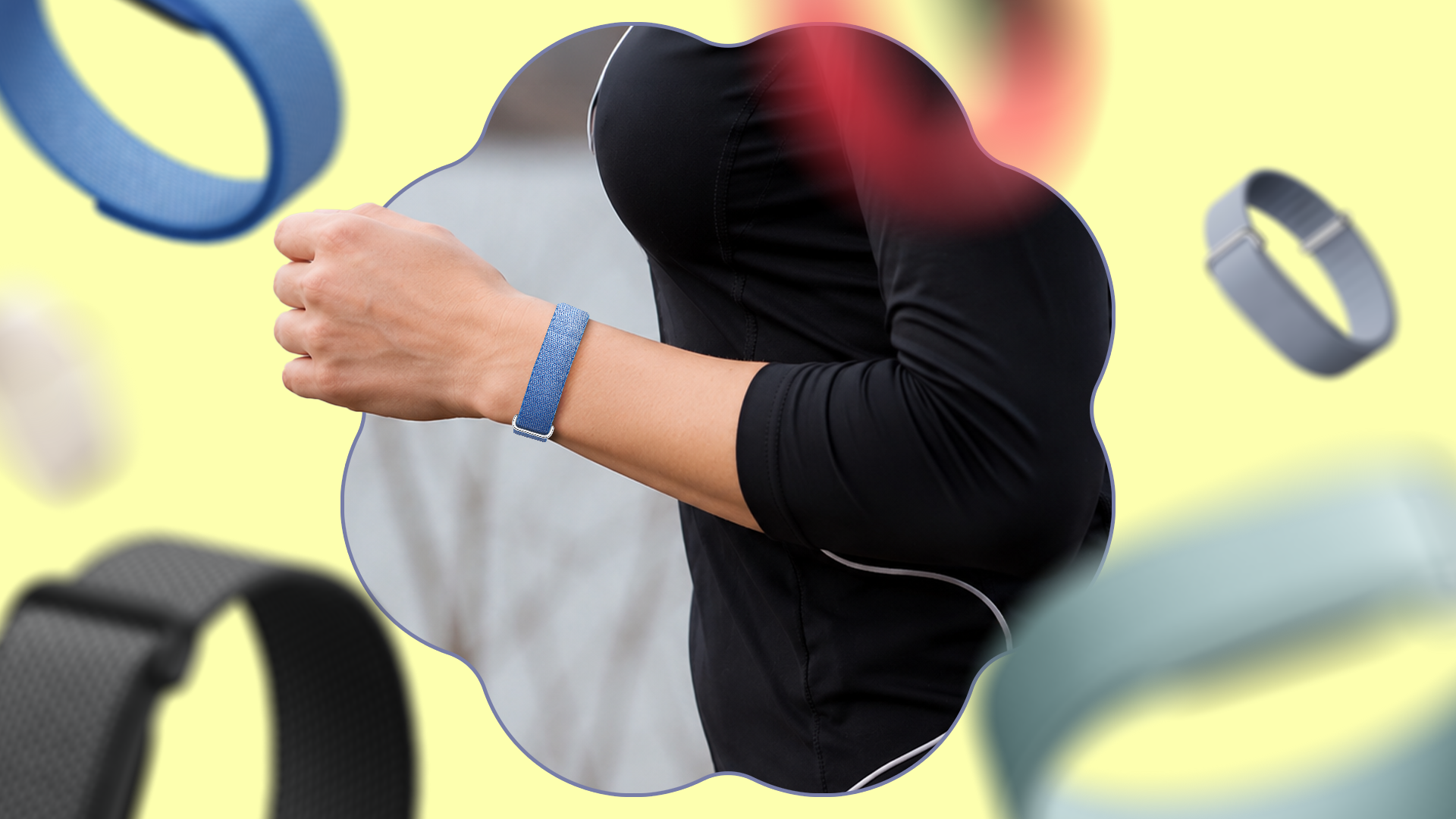
The Fitbit Air takes a different approach. It strips the experience back, prioritizing battery life and passive health tracking over an expansive feature set.
That restraint appears to resonate. Consumers who once measured a device’s worth by its spec sheet are reconsidering what they actually use day to day.
A Broader Market Signal
The wearables market remains large. IDC tracked shipments of wrist-worn wearables at 164.8 million units in 2023, with fitness bands holding a smaller but stable share alongside smartwatches.
Google, which acquired Fitbit in 2021 for approximately $2.1 billion, has since worked to reposition the brand within its hardware ecosystem. The Fitbit Air represents one outcome of that repositioning — a device aimed less at competing with the Apple Watch and more at users who find full smartwatches excessive.
That distinction matters commercially. Not every buyer wants notifications on their wrist or the ability to respond to messages mid-run. A segment of the market wants step counts, sleep data, and a charge that lasts a week.
What Drives the Appeal
The appeal is partly psychological. A device that does less demands less — less attention, less management, less anxiety about whether all its features are configured correctly.
At the same time, simpler hardware often means longer battery life, a specification that consistently ranks among the top consumer complaints about smartwatches. J.D. Power has repeatedly identified battery performance as a primary pain point in wearable device satisfaction surveys.
The Fitbit Air addresses that directly. Its extended battery life removes the daily charging ritual that many smartwatch owners describe as friction.
Fitbit’s Position
Fitbit built its early reputation on exactly this kind of product — unobtrusive, long-lasting, focused on health data over general-purpose computing. The brand drifted from that position as the market pushed toward more capable devices.
The Air signals a partial return. Whether that move reflects genuine consumer demand or a strategic retreat from competition with Apple and Samsung remains an open question for analysts watching the segment.
Google has not released sales projections for the device. Independent market data on its early performance is not yet available from Tier-1 sources.