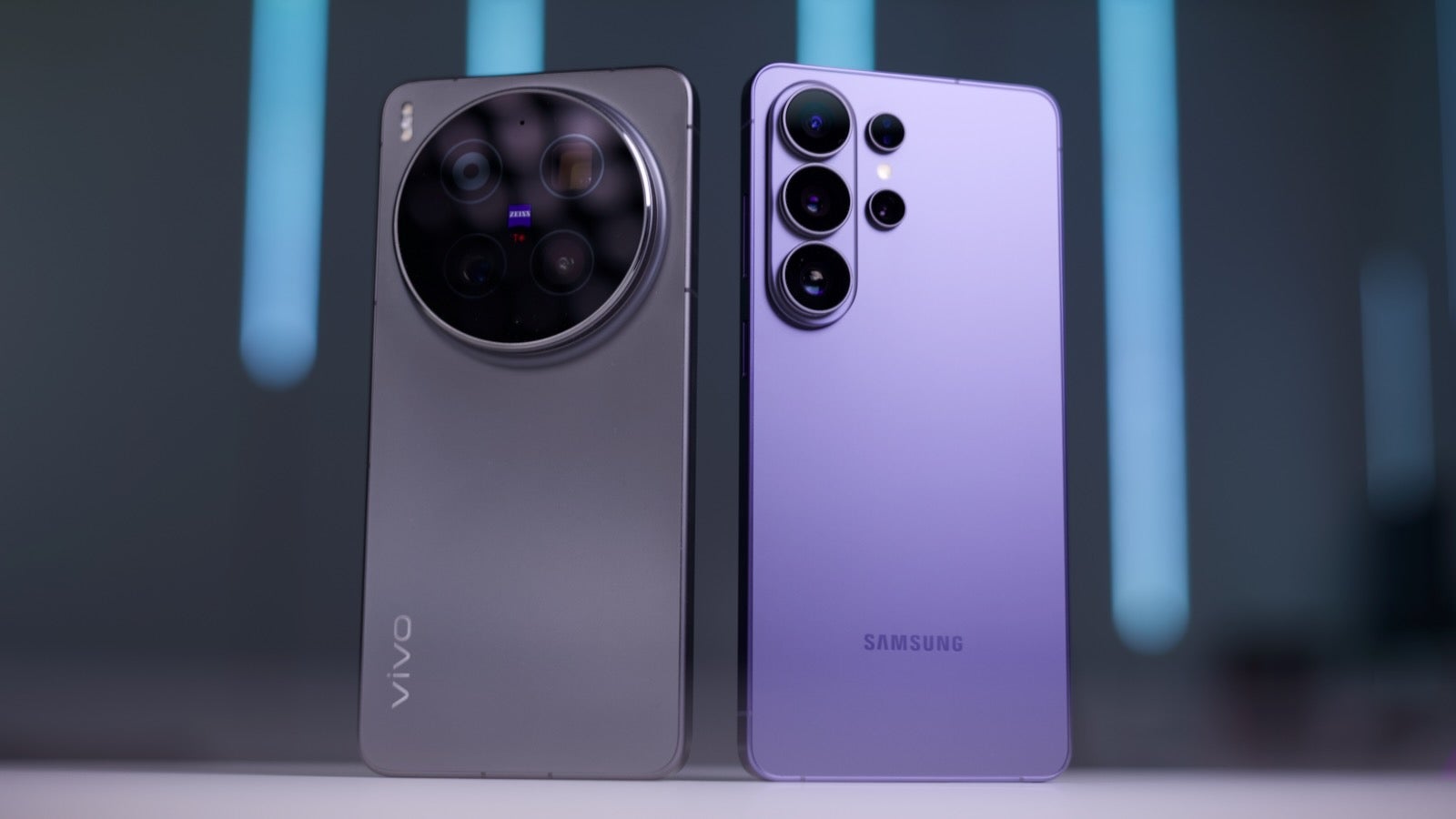
Vivo’s X300 Ultra carried larger image sensors and a 35mm main lens into a sample photo comparison against Samsung’s Galaxy S26 Ultra, with results showing distinct differences in color rendering and image processing between the two flagship devices.
The X300 Ultra’s main camera uses a 35mm focal length, wider than the standard 24mm to 26mm range most Android flagships use. That choice trades some framing flexibility for a field of view that photographers more commonly associate with portrait and street work.
Sensors and Hardware
Vivo equipped the X300 Ultra with larger physical sensors than those found in the Galaxy S26 Ultra. Larger sensors capture more light per pixel, which typically improves low-light performance and dynamic range — the gap between the brightest and darkest areas a camera can record in a single frame.
Samsung’s S26 Ultra relies on its established multi-lens array, which includes a high-resolution primary shooter and multiple telephoto options. The two phones take different engineering paths toward high-end mobile imaging.
Image Processing
Processing philosophy separates the two as much as hardware does. Vivo’s output in the sample set leaned toward natural color reproduction with controlled sharpening, while Samsung’s processing applied more contrast and saturation in comparable scenes.
Neither approach is objectively superior. Each targets a different user preference — one closer to optical reality, the other tuned for images that look finished without editing.
Competitive Context
Vivo has expanded its X-series Ultra lineup aggressively in recent years, focusing on camera hardware specifications as its primary differentiator in the premium Android segment. The X300 Ultra represents its current ceiling for imaging ambition.
Samsung remains the dominant Android smartphone brand globally by shipment volume. According to IDC, Samsung held approximately 20 percent of global smartphone market share in 2024.
Vivo, by contrast, operates at meaningful scale primarily across Asia, with limited retail presence in North America and Western Europe. Its flagship hardware rarely reaches those markets through official channels.
The X300 Ultra’s sensor size advantage on paper does not automatically translate to better photographs in all conditions. Real-world performance depends on autofocus speed, software tuning, video stabilization, and consistency across lighting environments — areas where Samsung has refined its pipeline over multiple generations.
Sample photo comparisons published before a device’s wide release carry inherent limitations. Shooting conditions, post-processing choices, and the scenes selected can all favor one device without reflecting everyday use.
Full independent lab testing from peer-reviewed or standardized evaluation bodies, such as those using DXOMARK methodology — a widely cited camera benchmarking system — typically provide a more controlled basis for direct comparison.
The Galaxy S26 Ultra launched in early 2025. Vivo has not confirmed a broad international release window for the X300 Ultra as of the time of writing.