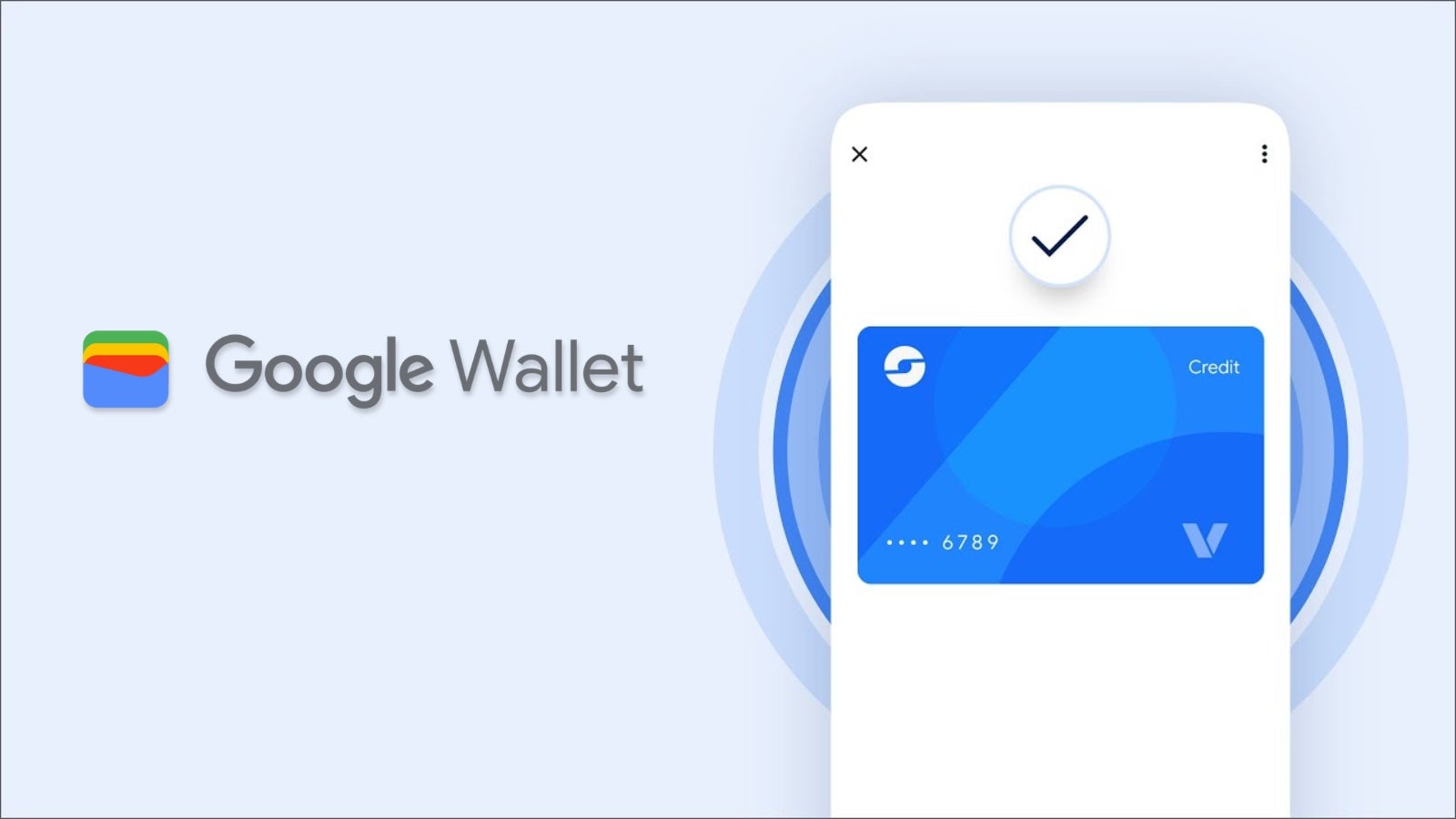
Google is updating Google Pay to let Android phones authenticate desktop browser purchases, eliminating the need to manually enter card details or passwords at checkout.
The feature routes a payment request from a desktop browser to a paired Android device, where the user confirms the transaction using their existing phone lock screen — fingerprint, PIN, or face unlock.
How it works
When a user reaches a checkout page on a desktop, Google Pay sends a prompt to the linked Android phone. The user approves the payment on the device, and the transaction completes in the browser without any card number or password entry.
Google has not announced a public launch date. The feature surfaced through early code analysis and user interface screenshots circulating among developers tracking the Google Pay app.
Why it matters
Manual checkout remains a friction point in e-commerce. According to the Baymard Institute, the average documented online cart abandonment rate sits at 70.19 percent across 49 published studies, with “too long or complicated checkout process” ranking among the top reasons users leave.
Google’s approach mirrors what Apple already offers through its ecosystem. Apple Pay on Mac authenticates desktop Safari purchases via an iPhone or Apple Watch, a feature Apple has supported since macOS Sierra in 2016.
Broader context
Google has been consolidating its payments infrastructure for several years. The company shut down the consumer version of the Google Pay app in the United States in June 2024, redirecting users to Google Wallet, which now serves as the unified platform for cards, passes, and payment credentials.
Google Wallet supports tap-to-pay on Android devices using NFC (near-field communication), the short-range wireless standard that powers contactless payments. The desktop authentication feature would extend that credential layer to browser-based transactions without requiring a separate hardware token or password manager.
Passkeys — a credential format backed by the FIDO Alliance, an industry consortium that includes Google, Apple, and Microsoft — underpin the authentication model. A passkey stores a cryptographic key on the device rather than a server, meaning there is no password to steal or intercept in transit.
Google has promoted passkeys across its own sign-in systems since 2023, and the Pay integration appears to extend that architecture to financial transactions specifically.
The Android install base gives the feature potential scale. According to StatCounter, Android held a 72.1 percent share of global mobile operating system usage as of early 2025.
That said, adoption will depend on merchant integration. Google Pay acceptance varies by retailer, and the desktop authentication flow requires checkout systems that already support the Google Pay API.
By contrast, the underlying passkey standard is platform-agnostic, which leaves open the possibility of similar flows on other operating systems down the line.