Apple plans to absorb a significant cost increase tied to a new variable-aperture camera system expected in its iPhone 18 Pro lineup, according to supply-chain analyst Ming-Chi Kuo.
The moving lens system — which physically adjusts aperture to control how much light reaches the sensor — carries an average selling price roughly 50% higher than the premium 7P lens Apple currently uses in its Pro models, Kuo said.
Variable aperture is a mechanical feature long common in standalone cameras and select Android flagships. It allows a lens to widen or narrow its opening, improving low-light performance and giving users more control over depth of field in bright conditions.
Despite that cost gap, Kuo found no strong indications Apple intends to raise iPhone 18 Pro prices meaningfully at launch. Final pricing remains months away and could shift.
What the camera system looks like
Leaks point to Apple retaining a triple 48-megapixel rear camera configuration. The primary camera would receive the variable-aperture upgrade, while the ultrawide and telephoto lenses are expected to carry over in their current form.
The adjustment mechanism works in the background. Most Users would not interact with it directly, but the hardware would modulate automatically depending on lighting conditions.
Apple has historically leaned on software and computational photography — algorithms that process images after capture — rather than mechanical hardware changes to improve image quality. A physical aperture shift marks a departure from that pattern.
Other expected upgrades
The iPhone 18 Pro is also expected to debut Apple’s next-generation A20 Pro chip, which would follow the A19 Pro inside the current iPhone 17 Pro series. Reports have linked the device to a refreshed Camera application shipping with iOS 27.
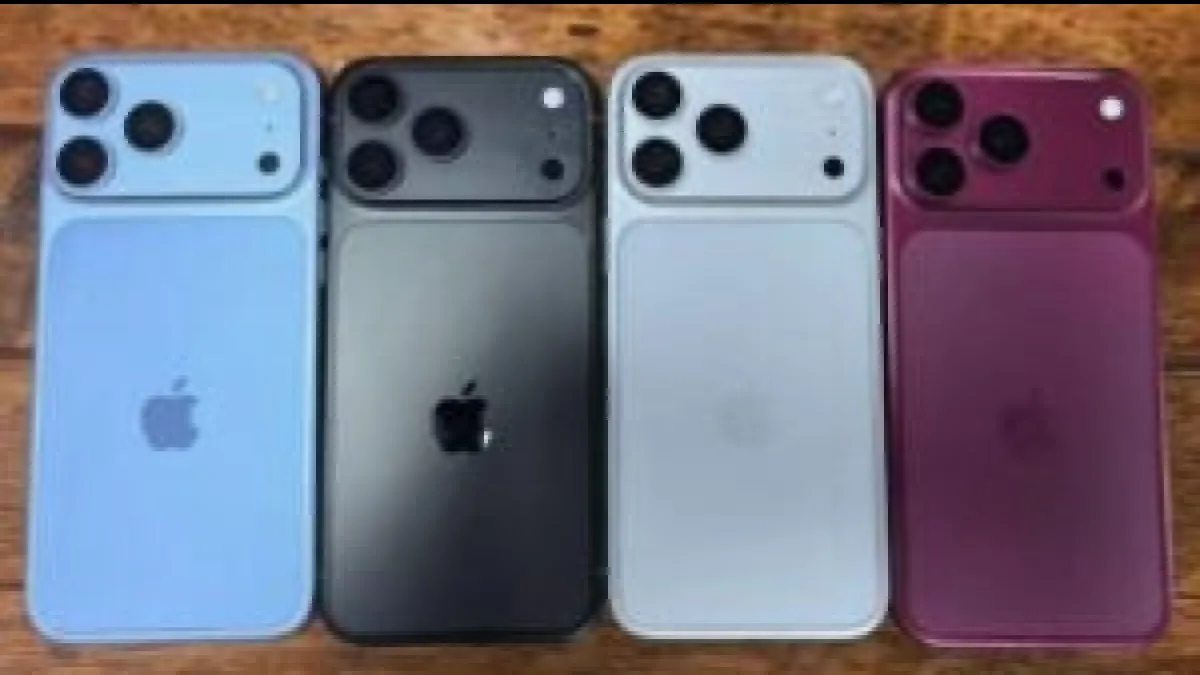
Some supply-chain reports have also pointed to new color options, including a darker finish described as cherry-inspired, though Apple has not confirmed any details.
Kuo cautioned that supply-chain information at this stage can change before mass production begins. Apple typically finalizes component decisions in the months before a September launch.