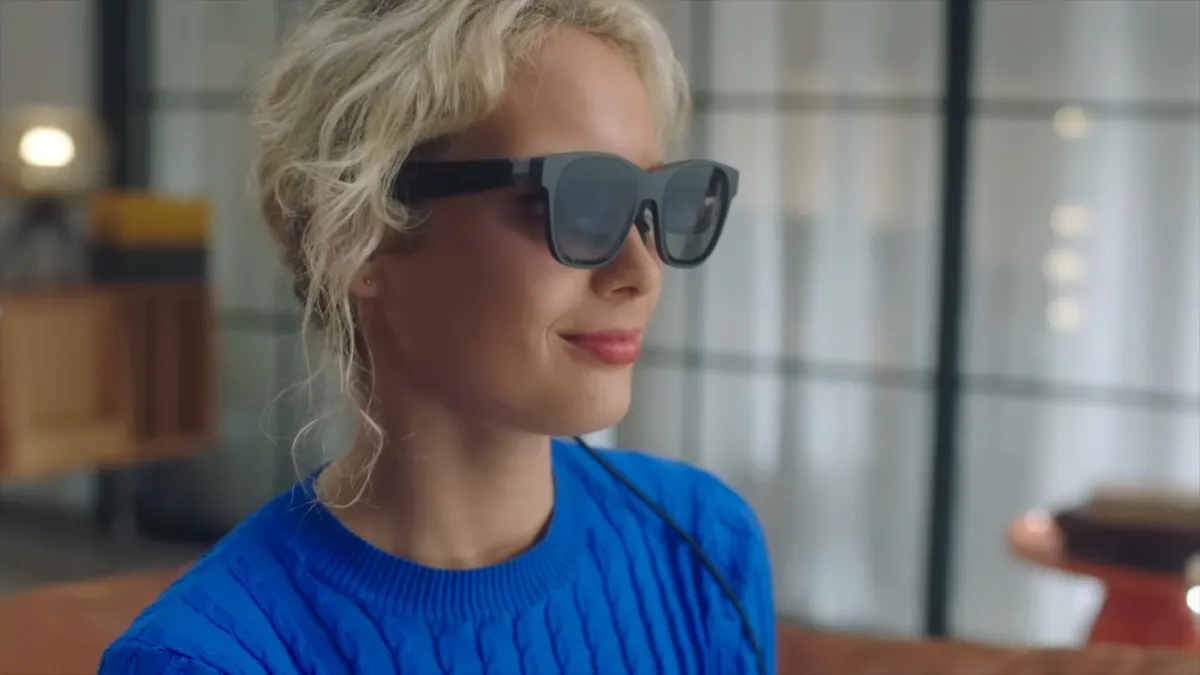
Apple is developing Smart Glasses to compete directly with Meta’s Ray-Ban line, according to people familiar with the company’s plans.
The move signals Apple’s intent to enter wearable eyewear — a category where frames are embedded with microphones, speakers, cameras, and AI Assistants — at a price point and feature set that would sit above Meta’s current offering.
Apple’s Approach
Meta’s Ray-Ban smart glasses, made in partnership with EssilorLuxottica, sell for $299 and have gained traction as a mainstream entry point into the category.
Apple, by contrast, plans to target the higher end of the market, a strategy consistent with how it has entered other product segments, from smartphones to smartwatches.
Still, the approach carries risk. Meta’s glasses have built consumer familiarity, and Meta AI — integrated directly into the frames — gives the product a working, real-world assistant that users already engage with daily.
What Apple Brings
Apple’s entry would lean on its existing ecosystem, including Siri, the iPhone’s processing relationship with wearables, and its established retail and brand infrastructure.
That ecosystem advantage has helped Apple dominate the smartwatch market. IDC data shows Apple held roughly 18% of global smartwatch shipments in 2024, more than any other single vendor.
The company also holds deep relationships with major optical retailers and has explored eyewear partnerships before, including past discussions with EssilorLuxottica — the same manufacturer that produces Meta’s Ray-Ban frames.
The Market Context
The smart glasses segment is growing fast. IDC projected the broader AR and smart glasses market would ship over 10 million units in 2024, with consumer-facing audio glasses driving much of that volume.
Meta has moved aggressively. The company refreshed its Ray-Ban line in late 2023 with improved cameras and AI features, and sales momentum has continued into 2024, with Meta reporting strong demand in its earnings calls.
Apple entering the space would intensify competition in a category that has, until now, lacked a direct challenger from a Tier-1 consumer hardware company.
Google attempted the category with Google Glass, which launched in 2013 and failed to reach mainstream consumers before the company pulled the consumer version in 2015.
Amazon has also played in the space with its Echo Frames, which focus on audio and Alexa integration rather than cameras or display features.
By contrast, Apple’s rumored product would aim for a fuller feature set, with design quality held to the same standard as its other hardware lines — a bar that comes with a correspondingly Higher Price tag.
The timeline for an Apple smart glasses release remains unclear, and the company has not made any public announcement about the product.