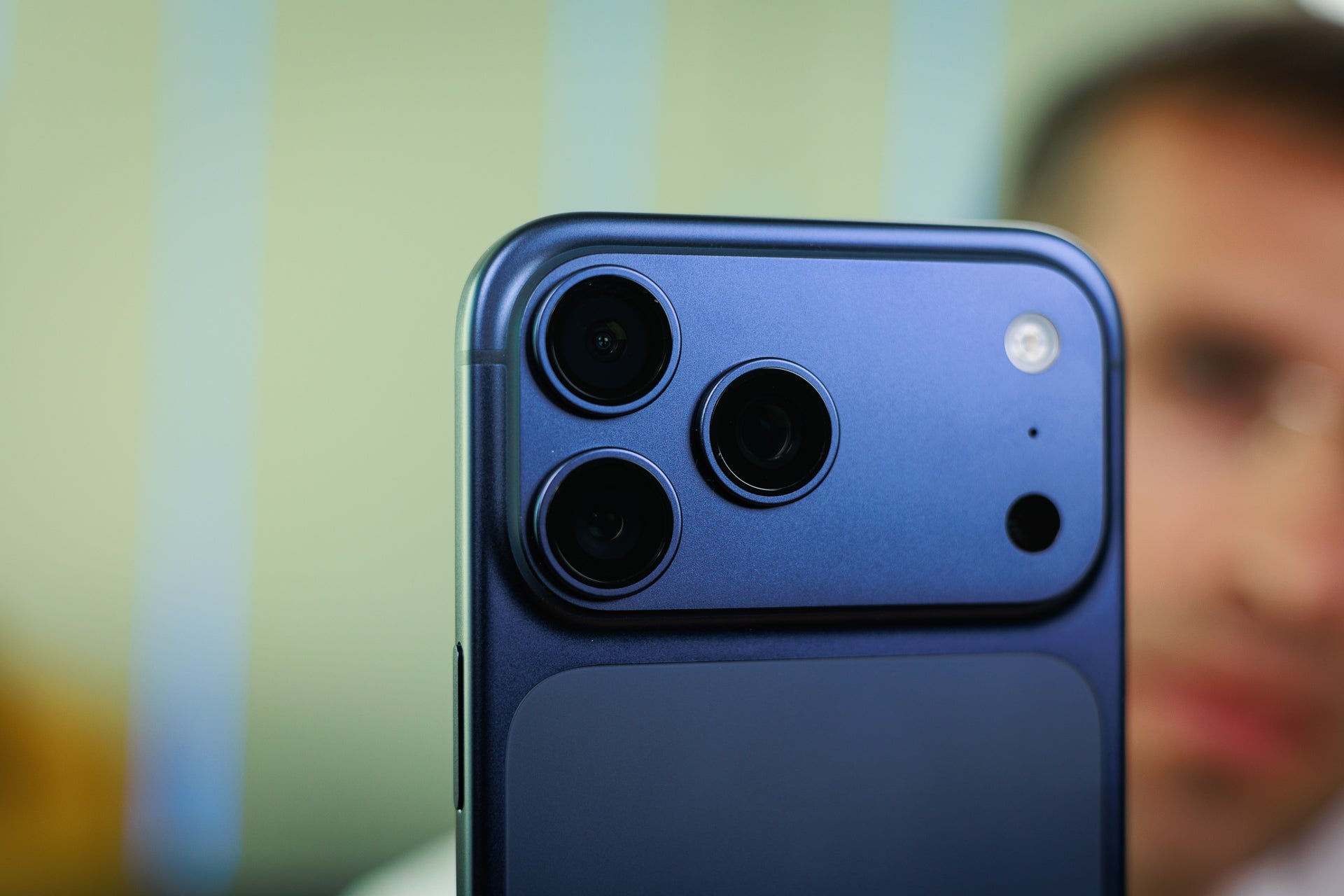
Apple’s iPhone 17 Pro carries a visible ribbon along its frame that has prompted concern among some buyers who mistook it for a manufacturing defect.
The strip is an antenna band, a component that helps manage wireless signal transmission across cellular, Wi-Fi, and Bluetooth frequencies.
What the Ribbon Is
Antenna bands on smartphones are not new. Manufacturers have long used dedicated antenna lines or windows cut into metal frames to allow radio signals to pass through material that would otherwise block them.
On the iPhone 17 Pro, the band sits along the device’s outer frame and is visible to the naked eye. Its placement and appearance differ slightly from previous iPhone Pro models, which drew attention when early units reached consumers.
Apple has not issued a formal advisory, but the company’s design documentation confirms the ribbon is an intentional structural element, not the result of a production error.
Consumer Reaction
Reports of buyer concern surfaced shortly after the iPhone 17 Pro reached retail. Some users posted photos online questioning whether their unit was damaged or assembled incorrectly.
The confusion is understandable given the premium price of the device. In the United States, the iPhone 17 Pro starts at $999, according to Apple's official pricing page.
That said, visible antenna lines have appeared on Apple hardware for over a decade. The original iPhone 4, released in 2010, featured stainless steel antenna bands along its sides — a design that later became associated with signal attenuation issues when users gripped the phone in a specific way, an episode Apple addressed publicly at the time.
How Antenna Design Has Evolved
Modern antenna architecture in flagship smartphones involves multiple antenna arrays placed around the device to maintain signal strength regardless of how a user holds it. This approach, sometimes called antenna diversity, reduces the risk of signal loss from hand placement.
The iPhone 17 Pro uses Apple’s proprietary modem silicon. Apple confirmed its in-house modem debut in the iPhone 17 series through its March 2025 press materials, marking a departure from the Qualcomm modems it used in prior generations.
Antenna placement becomes especially sensitive when a manufacturer integrates its own modem, as the signal chain — the path from modem chip to antenna element — must be tuned carefully to meet carrier certification requirements set by regulators including the U.S. Federal Communications Commission.
The visible ribbon on the iPhone 17 Pro is, in part, a consequence of that tuning. Engineers position antenna elements where they deliver optimal performance, not necessarily where they are least visible.
Apple has historically prioritized antenna performance alongside industrial design, at times accepting visible breaks or lines in its metal and titanium frames to meet signal output targets.
The iPhone 17 Pro’s titanium frame, which Apple confirmed in product specifications, presents particular engineering challenges because titanium, while strong and light, does not transmit radio frequency signals. Antenna windows or bands are therefore necessary wherever the frame material would otherwise create a dead zone.