Screen-free fitness trackers — wearables that monitor health metrics without a display — have surged back into consumer demand for the First Time since wrist-worn devices first hit the market more than a decade ago.
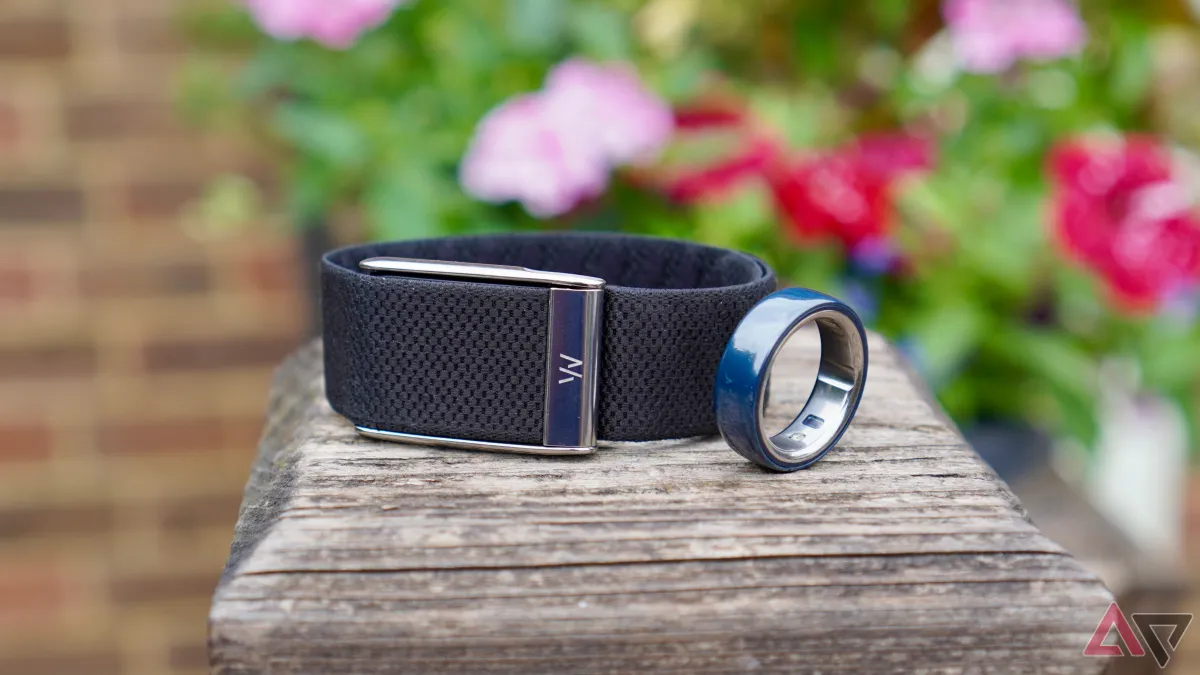
Two devices now dominate shopping lists: the Oura Ring 4, worn on the finger, and the Whoop MG, a wrist-based strap aimed at serious athletes and health-focused users.
What Sets Them Apart
The Oura Ring 4 tracks sleep stages, heart rate variability, body temperature, and daily activity through a titanium ring, syncing all data to a companion smartphone app.
Whoop MG — the latest and most advanced version of the Whoop strap — goes further with continuous health monitoring and adds features such as electrodermal activity sensing, which measures stress responses through the skin.
Both devices ditch the screen entirely, pushing all insights to an app rather than the wrist or finger.
Subscription Models Drive the Real Cost
Neither device is truly a one-time purchase. Whoop operates on a mandatory membership model, with plans starting at $199 per year, according to Whoop's official pricing page, and the hardware itself ships free with an active subscription.
Oura charges $499.99 for the Ring 4 hardware outright, then layers on a $5.99 monthly subscription for full access to its health insights, per Oura's website.
Over Two Years, the total cost of ownership for both devices sits in a comparable range — though the entry point differs sharply.
Who Each Device Targets
Whoop positions itself squarely at performance athletes and Users Who want granular recovery and strain data updated continuously throughout the day.
Oura, by contrast, appeals to users who prioritize sleep tracking and a discreet form factor — a ring draws far less attention than a wrist strap in professional or social settings.
That said, both devices compute a daily readiness score, giving users a single number that reflects how recovered and prepared their body is for exertion.
Accuracy and Sensor Depth
Whoop MG introduces a medical-grade sensor suite, including blood oxygen monitoring and the ability to detect irregular heart rhythms — a feature the company says it is pursuing FDA clearance for, per Whoop's press materials.
Oura Ring 4 upgraded its sensor array from its predecessor, adding two additional LED sensors and an improved infrared photoplethysmography setup — a technology that reads blood flow patterns beneath the skin — to sharpen its heart rate and sleep-stage accuracy.
Independent testing by The Verge and other consumer technology outlets has found both devices perform well for sleep tracking relative to consumer-grade alternatives, though neither replaces clinical-grade polysomnography — the gold standard for sleep measurement conducted in a lab setting.
The Comfort Factor
Ring wearers consistently cite comfort during sleep as an advantage for Oura, since a slim band on the finger creates less physical disruption than a wrist strap.
Whoop counters this with a knit band designed specifically for overnight wear, and the company offers multiple band materials targeting comfort for extended use.
The screen-free wearable category first gained mainstream traction around 2013 and 2014, when early Fitbit and Jawbone devices — wrist bands without displays — briefly dominated the fitness tech market before screen-equipped smartwatches absorbed much of their audience.