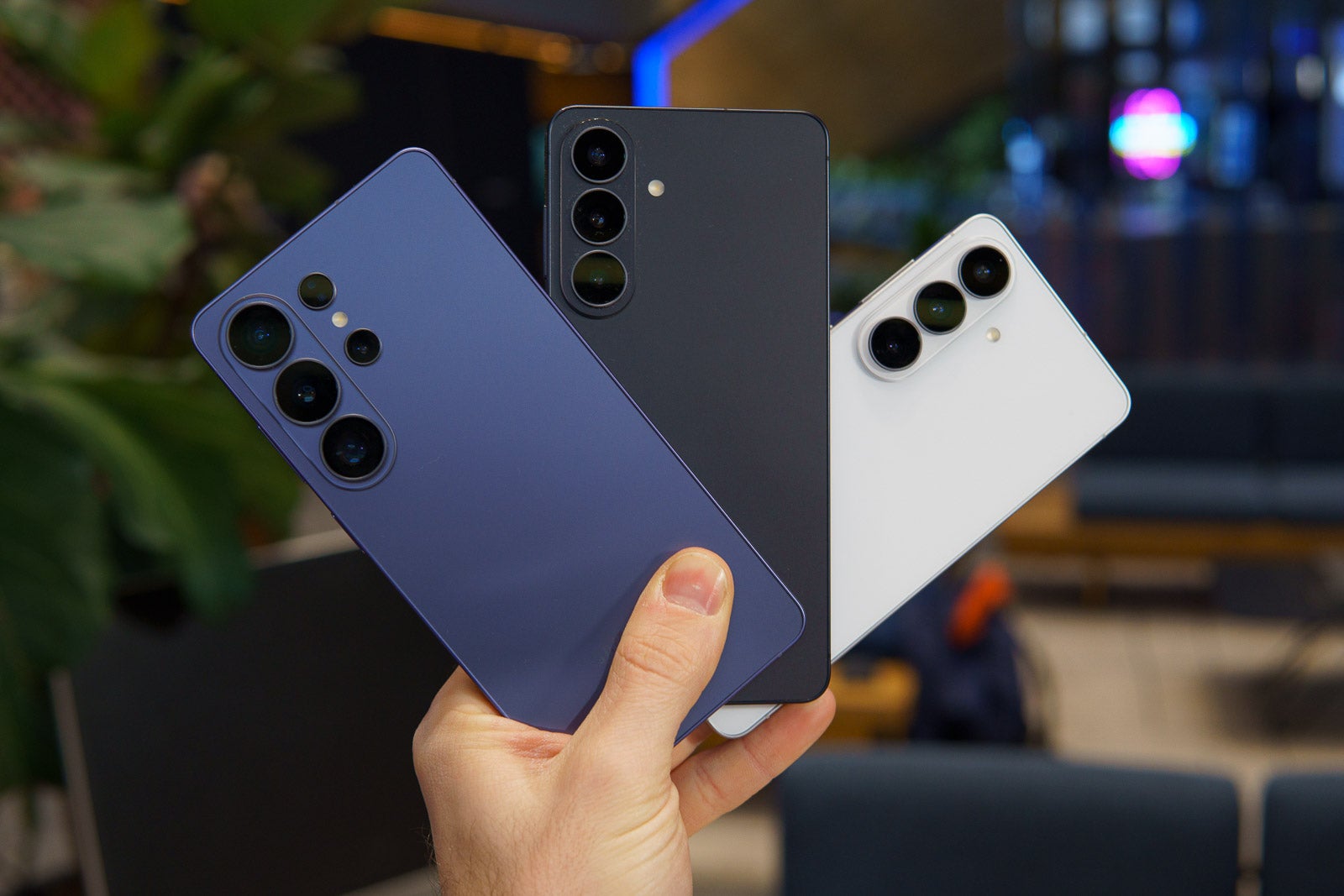
Samsung’s Galaxy S26 Ultra goes on sale against a backdrop of online speculation that Galaxy smartphones could cost significantly more by 2027, but analysts say buying early to beat a hypothetical price hike is poor consumer logic.
The speculation traces back to roughly 48,000 users — a figure circulating in online forums — who flagged concerns about Samsung’s long-term pricing strategy in response to broader tariff pressures affecting consumer electronics imports into the United States.
The Tariff Factor
The Office of the United States Trade Representative confirmed that tariffs on electronics imports from key Asian manufacturing hubs remain in effect, adding cost pressure across the supply chain.
Samsung manufactures a significant share of its flagship devices in South Korea and Vietnam. Tariffs on Vietnamese goods shipped to the U.S. sit at elevated levels following trade policy shifts in 2024 and 2025.
Still, Samsung has not announced any price increases for 2027. No filing with the U.S. Securities and Exchange Commission or official company statement has confirmed higher future pricing.
What Consumers Are Reacting To
The 48,000-figure appears to originate from a Samsung Community forum thread, where users voted or commented on pricing concerns. That number reflects online sentiment, not company guidance or market research.
Consumer electronics analysts note that acting on speculative future pricing is a recognized behavioral pattern called anticipatory purchasing. It often benefits neither the consumer nor provides the hedge they expect.
The S26 Ultra currently retails at a starting price consistent with Samsung’s recent Ultra-tier launches. The Galaxy S25 Ultra launched at $1,299 in the United States, according to Samsung's official U.S. storefront.
The Math on Buying Early
Buying a $1,299 device today to avoid a price increase that has not been announced — and may not materialize — means accepting an immediate, certain cost to avoid an uncertain future one.
If Samsung does raise prices in 2027, a buyer who purchased today would have used the device for two years, incurring depreciation. By contrast, a buyer waiting until 2027 could potentially benefit from trade-in programs, carrier subsidies, or price corrections on older models.
Samsung’s own trade-in and financing programs regularly discount flagship pricing at launch windows, according to promotional terms published on Samsung's U.S. website.
Where the Concern Comes From
The broader anxiety reflects a real trend. Consumer electronics prices have risen across categories since 2020, driven by supply chain disruptions, currency fluctuations, and input cost increases, the U.S. Bureau of Labor Statistics consumer price index data shows.
Apple raised iPhone pricing in select international markets in 2022 and 2023 by adjusting for local currency weakness against the dollar. Samsung followed similar adjustments in Europe.
Neither company, however, raised U.S. dollar-denominated flagship prices uniformly in those years. The U.S. market has historically absorbed manufacturer pricing pressure through carrier bundle structures rather than sticker price increases.
Samsung generated $200.7 billion in total revenue in fiscal year 2024, according to the company’s annual earnings report. Its mobile division remains its most visible consumer business, and pricing alienation in the U.S. carries brand risk the company has historically moved to avoid.