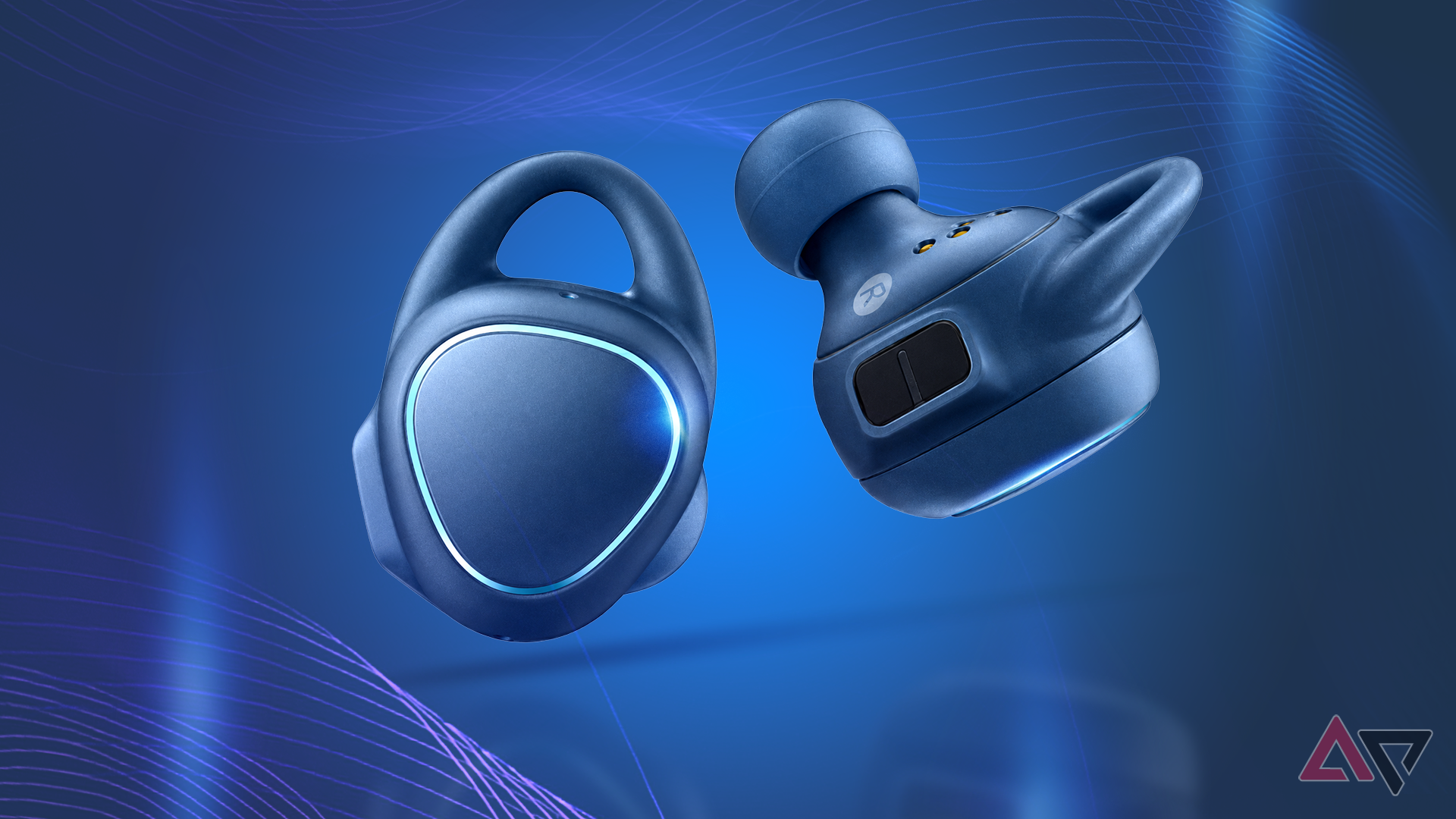
Samsung released the Gear IconX wireless earbuds in 2016, introducing standalone features that the company later abandoned in its Galaxy Buds line.
The IconX earbuds offered 4GB of onboard storage, allowing users to load music directly onto the devices and leave their phones behind during workouts. They also included a built-in heart rate monitor that tracked fitness data independently.
Samsung discontinued both features when it launched the Galaxy Buds in 2019.
Hardware Legacy
Samsung owns several major audio brands, including AKG, Harman, JBL, and Denon. The company acquired Harman International in 2017 for $8 billion, according to Samsung's investor relations filings.
That deal gave Samsung control over more than a dozen audio and automotive electronics brands. Harman reported $7 billion in annual revenue at the time of acquisition.
The Gear IconX represented Samsung’s first attempt at truly wireless earbuds. Apple would not release the AirPods until December 2016, months after Samsung brought the IconX to market.
Standalone Functionality
The original IconX earbuds functioned as independent music players. Users could transfer MP3 files to the internal storage and pair the buds with Bluetooth headphones or use them alone.
A touch-sensitive surface on each earbud controlled playback. Swiping up or down adjusted volume, while taps handled play and pause functions.
The heart rate sensor sat inside the left earbud. It pressed against the ear canal during use and measured pulse data during exercise. Samsung’s S Health app logged the information.
Battery life suffered under the weight of these features. The original IconX lasted roughly 90 minutes with music streaming. Playing locally stored files extended that to about 3.5 hours.
Samsung released a second-generation IconX in 2018. It improved battery life to five hours but retained the storage and heart rate features.
Modern Galaxy Buds
The Galaxy Buds launched in February 2019. Samsung dropped onboard storage entirely. It also removed the heart rate sensor.
Every Galaxy Buds model since has required a connected smartphone for music playback. The buds stream audio over Bluetooth but store nothing locally.
Samsung never publicly explained why it removed the features. Battery constraints likely played a role. The Galaxy Buds achieved six hours of playback in a smaller form factor than the IconX.
The current Galaxy Buds 3 Pro, released in 2024, offer eight hours of listening time with active noise cancellation disabled. They weigh 5.4 grams per earbud, according to Samsung's product specifications.
By comparison, the original IconX weighed 6.3 grams each.
Industry Trends
No major wireless earbud manufacturer currently offers onboard music storage in a mainstream product. Apple’s AirPods line has never included the feature. Neither have Google’s Pixel Buds.
Garmin sells fitness-focused earbuds with limited storage, but these target a niche athletic market.
Heart rate monitoring in earbuds remains rare. The ear canal provides accurate pulse readings, according to research published in the Journal of Medical Internet Research. Blood vessels sit close to the skin surface inside the ear.
Still, manufacturers have largely abandoned the approach. Cost, battery drain, and competition from smartwatches contribute to the trend.
Apple, Samsung, and Google all sell smartwatches with continuous heart rate tracking. These devices offer larger batteries and more sophisticated sensors than earbuds can accommodate.
Storage Constraints
Modern smartphones typically include 128GB or more of internal storage. Cloud streaming services have also reduced demand for local music files.
Spotify reported 675 million monthly active users in its Q4 2024 earnings release. Apple Music claimed over 100 million subscribers in 2024, according to Apple's services report.
The shift toward streaming diminished the appeal of earbud-based storage. Most users keep their phones nearby during workouts anyway.
Even so, runners and swimmers sometimes prefer leaving phones behind. Waterproof earbuds with onboard storage would serve this segment.
Samsung’s Galaxy Buds 3 Pro carry an IP57 rating for dust and water resistance. They survive brief submersion but cannot function underwater for swimming.
The Gear IconX carried an IP67 rating in its second generation.