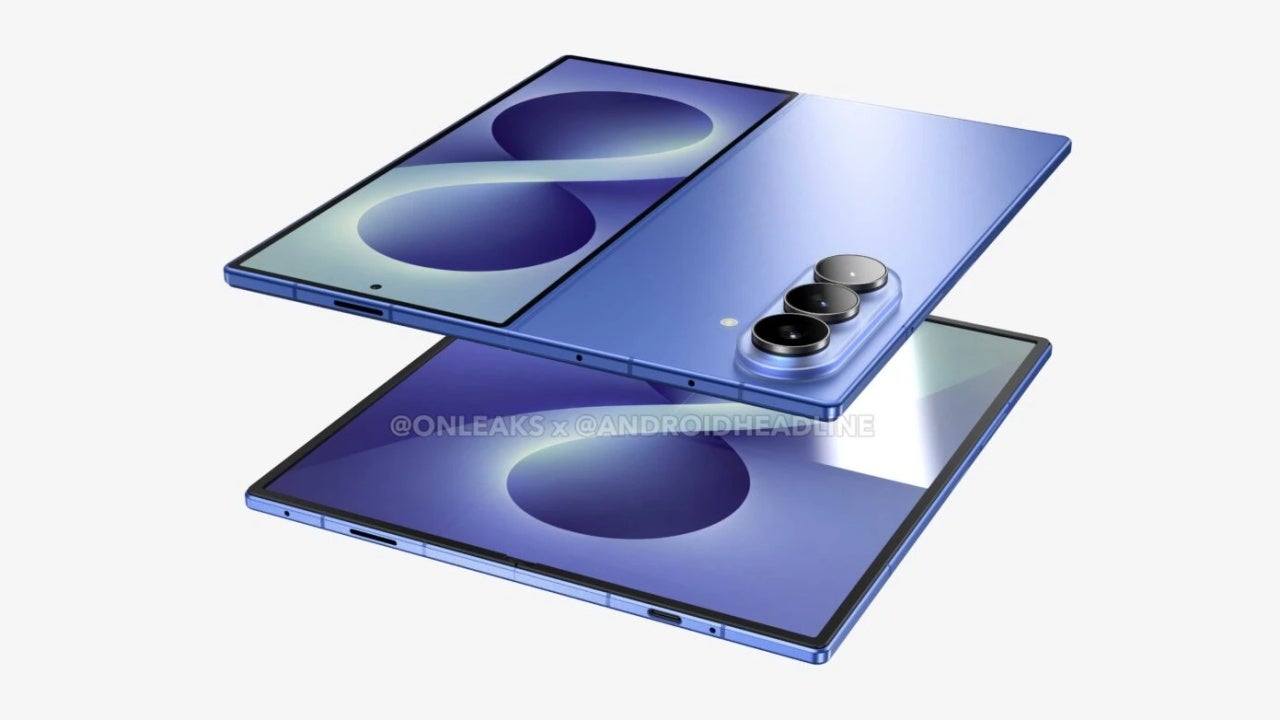
Samsung is preparing to overhaul its foldable phone naming structure, with the flagship device reportedly carrying a new “Ultra” designation and a wider-format model taking the standard Z Fold 8 name.
The shift would mark a significant departure from the company’s existing foldable lineup hierarchy, where the Z Fold series has carried a single flagship identity since its 2019 debut.
The Reported Structure
According to leaks circulating ahead of Samsung’s expected mid-2025 announcement, the device currently known internally as the Galaxy Z Fold 8 will launch as the Galaxy Z Fold 8 Ultra.
At the same time, Samsung’s so-called Wide Fold — a device with a broader outer display designed for users who want a more phone-like experience when closed — would launch under the plain Galaxy Z Fold 8 name.
That arrangement would invert the conventional product logic Samsung uses across its S Series lineup, where the Ultra sits above the standard model as a spec-for-spec premium upgrade.
Why It Disorients Buyers
In the S Series, a consumer buying a Galaxy S25 knows the S25 Ultra costs more and offers more. The naming communicates hierarchy.
Under the rumored Z Fold 8 structure, the “standard” Z Fold 8 would actually be a different form factor entirely — the wider device — rather than a lower-cost version of the Ultra.
That distinction matters to buyers comparing models at retail. A customer expecting the Z Fold 8 to be a conventional step down from the Z Fold 8 Ultra would instead find a physically different phone with a different use case.
Samsung’s Possible Logic
Samsung has form for using naming conventions to steer markets rather than simply describe products. The company retired the Galaxy Note line in 2021 and folded — in both senses — its stylus identity into the S Ultra tier.
The Wide Fold, which Samsung has shown in prototype form at industry events, targets users who find the current Z Fold’s narrow outer screen too cramped for daily use. Giving it the base Z Fold 8 name could position it as the entry point to the foldable range for new buyers.
In turn, the Ultra label on the thinner, more traditional clamshell-style Fold would signal premium status to existing Z Fold loyalists upgrading from previous generations.
Still, that framing creates a product matrix that requires explanation — something retail environments and online listings rarely deliver cleanly.
Market Context
Samsung held approximately 48 percent of the global foldable smartphone market in 2024, according to IDC, though Chinese rivals including Huawei and Honor have narrowed the gap with competitively priced alternatives.
Foldable phones remain a niche category. IDC reported roughly 21 million foldable units shipped globally in 2024, against overall smartphone shipments of approximately 1.24 billion units tracked by the same firm.
Samsung has not confirmed any branding details for the Z Fold 8 lineup. The company typically announces its second-half foldable devices at a summer Unpacked event, with previous editions held in July.