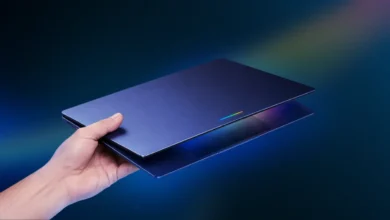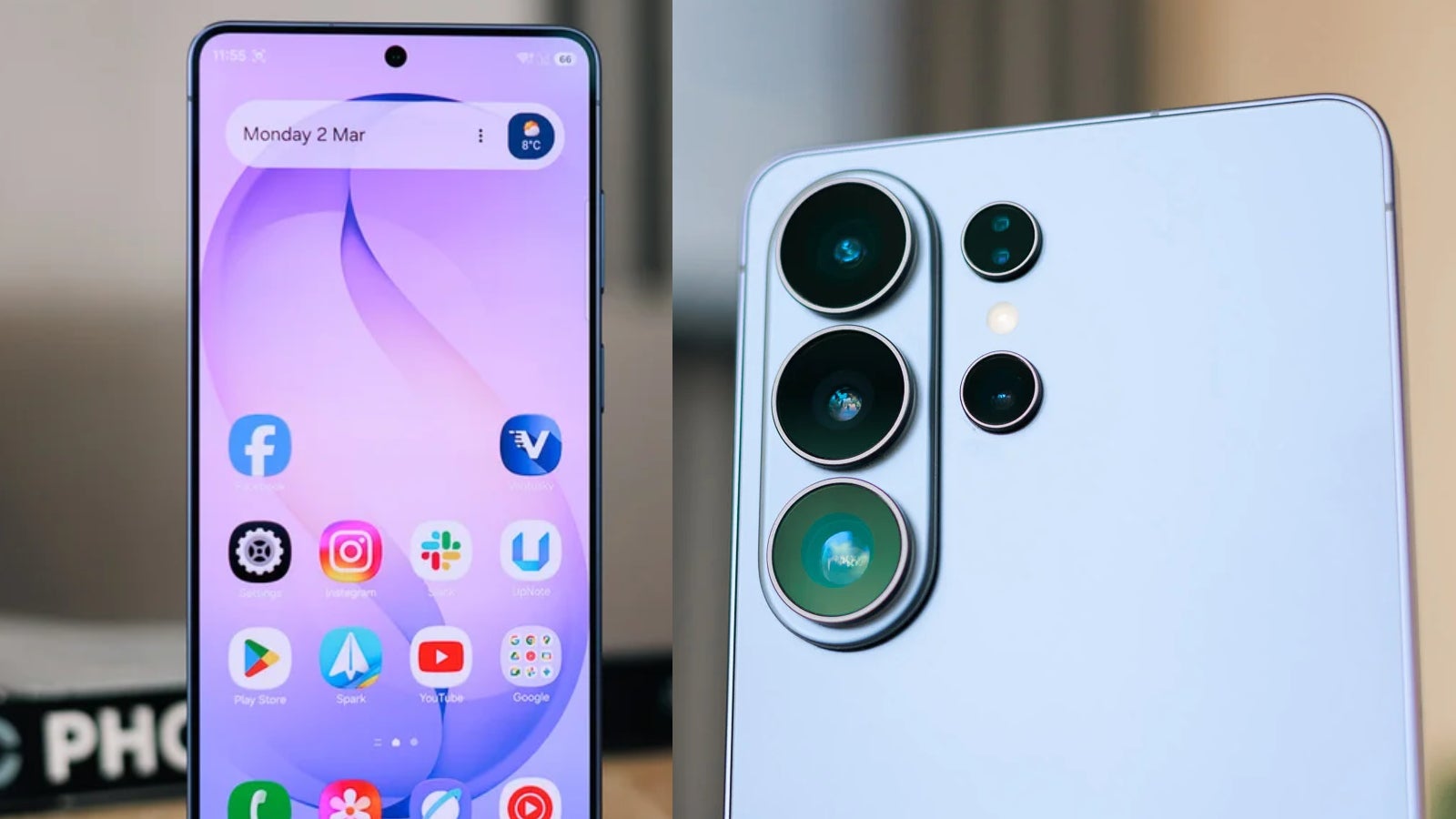
Samsung makes some of the most capable Android tablets on the market, but one writer says the company’s phone software record keeps him from committing to a Galaxy handset as his daily driver.
The argument centers on update reliability — specifically, how consistently a device receives timely Android security patches and OS upgrades over its supported lifespan.
Tablets vs. Phones: A Split Verdict
Samsung’s Galaxy Tab S series runs the same One UI software skin as its phones, but the writer argues the tablet experience feels less fraught because the stakes are lower.
A tablet, he said, is a secondary device. If an update arrives late or a software bug lingers for weeks, the impact on daily productivity stays manageable.
A phone is different. It handles banking apps, two-factor authentication, work email, and navigation — all in real time, all day.
The Update Trust Problem
Samsung pledges seven years of OS updates and security patches for its flagship Galaxy S and Z series devices, a commitment the company formalized in 2024 according to Samsung Newsroom.
That pledge, on paper, matches what Google promises for its Pixel 8 series and beyond.
Still, pledges and delivery are separate things. The writer’s concern is not the length of the support window but the speed and consistency of updates within it.
Security patch delays on Samsung phones have drawn scrutiny before. In 2023, Which?, the UK consumer group, ranked Samsung among the worst major manufacturers for timely security patch delivery across its broader device portfolio.
That finding covered a wide range of Samsung handsets, not flagship models alone, but it shaped how some users perceive the brand’s reliability at the software level.
Why the Tablet Gets a Pass
The writer’s tolerance for Samsung on tablets comes down to use-case risk. He uses a Galaxy Tab for media consumption, note-taking, and occasional document work.
None of those tasks demand the same security posture as a primary phone. A delayed patch on a tablet he uses to watch video carries a different weight than the same delay on a device holding his payment credentials.
At the same time, Samsung’s tablet hardware earns consistent praise. The Galaxy Tab S9 and S10 series offer AMOLED displays, S Pen stylus support, and DeX mode — a feature that mirrors a desktop-style interface when connected to a monitor.
The Android Ecosystem Factor
Android’s fragmentation problem has existed for years. Google's own Android distribution data shows that a significant share of active Android devices run versions well behind the current release.
Samsung, as the world’s largest Android device maker by shipments according to IDC, carries an outsized share of responsibility for that gap.
For users who want a phone that behaves with the consistency of an iPhone — predictable updates, on time, across the full supported window — Samsung’s track record leaves room for doubt.
Google’s Pixel line and, in the Android space, brands like Nothing have positioned themselves partly on that reliability gap.
Samsung has not publicly responded to the specific criticism in the original piece.