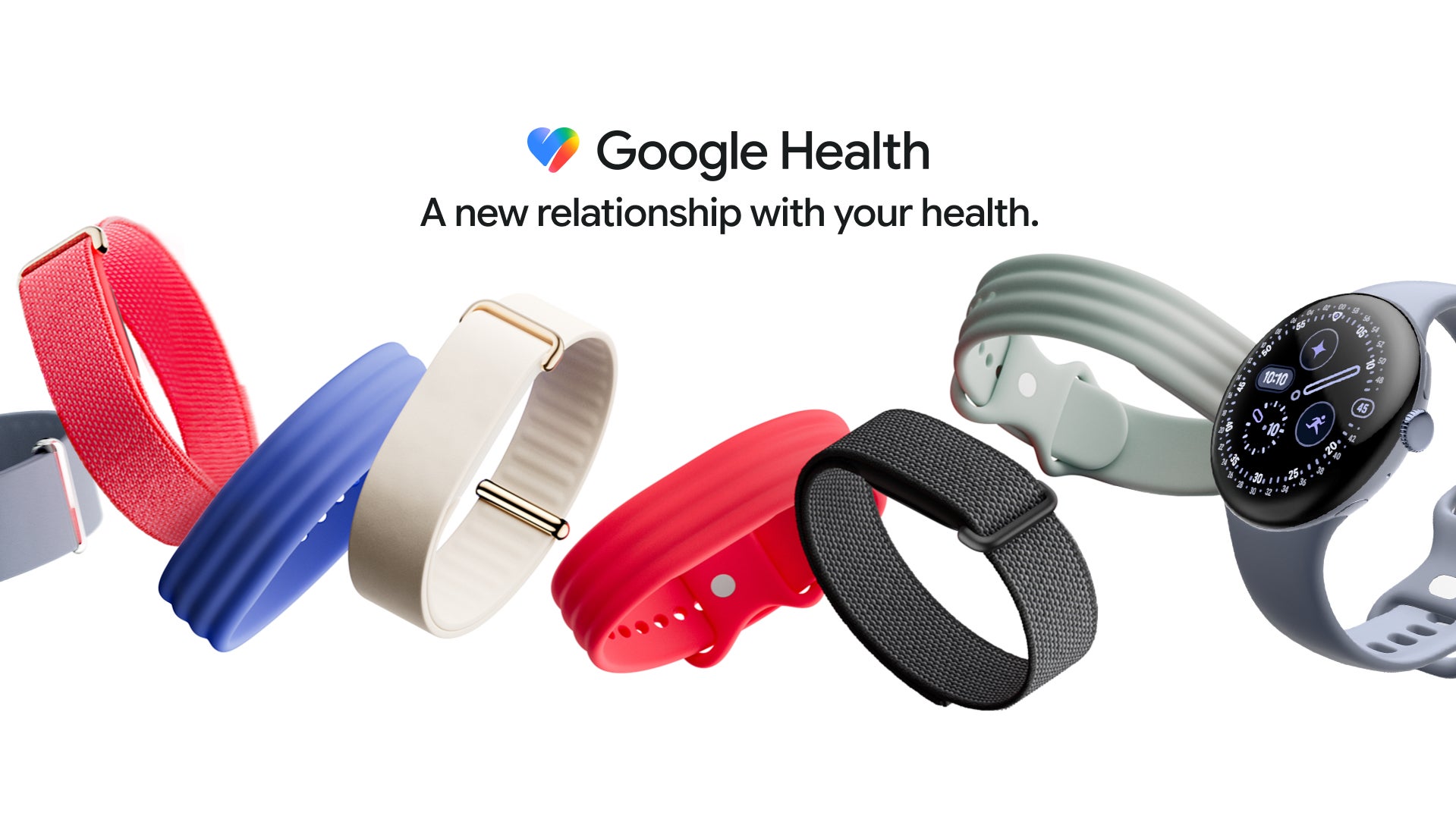
Google released a 39-item remediation roadmap days after Fitbit users publicly complained about missing features and degraded functionality following the launch of the Google Health app.
The roadmap, published on Google’s support forums, lists specific fixes the company plans to implement across the platform. It arrived after user complaints escalated sharply on Reddit, Google’s own forums, and social media.
The Complaints
Fitbit users reported losing access to features they had relied on for years, including sleep tracking data, workout history, and dashboard customization options. Many said the transition to Google Health erased or obscured data without warning.
The backlash reflected a broader tension between Google’s push to consolidate its health products under one platform and the expectations of an existing user base that had built routines around Fitbit’s standalone app.
The Roadmap
Google’s 39-item list covers both near-term bug fixes and longer-term feature restoration. The company did not publish a completion timeline for all items on the list.
The release of the roadmap signals Google acknowledged the migration caused problems it had not resolved before launch. Still, the company has not said publicly whether all discontinued Fitbit features will return in their original form.
Background
Google acquired Fitbit in January 2021 for approximately $2.1 billion, according to Reuters. At the time, regulators in the European Union and United States scrutinized the deal over concerns about health data privacy and competitive impact.
Since the acquisition, Google has moved steadily to absorb Fitbit’s technology and user base into its broader ecosystem. The Google Health app represents the most visible step in that integration to date.
Fitbit had an estimated 31.4 million active users as of 2021, according to Statista. That base gave Google a significant foothold in the consumer wearables market, where it competes against Apple and Samsung.
The migration from Fitbit’s native app to Google Health is not optional for Users Who want continued access to their device data. Google began requiring the switch as part of its platform consolidation.
Health app migrations carry particular risk because users store longitudinal data — records spanning months or years — that they consider sensitive and difficult to reconstruct if lost. That factor amplified the frustration among Fitbit’s core users, many of whom had tracked chronic conditions, fitness goals, or sleep disorders through the platform.