Modular smartphones — devices built from swappable, user-replaceable components — attracted serious investment from Google, Motorola, and a string of startups in the early 2010s, then disappeared almost entirely within a decade.
The concept was straightforward. Instead of buying a new phone when a camera or battery degraded, a user would swap out only the failed component. Proponents argued this would cut electronic waste and lower long-term ownership costs.
Google Led the Charge
Google launched Project Ara in 2013, aiming to build a phone where modules — camera units, speakers, processors — could be clicked in and out like building blocks. The project drew sustained internal resources at Google’s Advanced Technology and Projects lab before the company cancelled it in 2016 without shipping a consumer product.
Motorola had acquired the concept alongside its own modular ambitions, but Reuters reported at the time that engineering complexity repeatedly delayed timelines.
Separately, Motorola released the Moto Z in 2016, a mainstream handset that supported magnetic “Moto Mods” — snap-on accessories including projectors and battery packs. The line survived several generations before Motorola quietly wound down mod development.
The Economics Did Not Work
Manufacturing modular components at scale proved far more expensive per unit than producing integrated, sealed handsets. Connector systems required precise engineering tolerances, and each new module generation risked compatibility breaks with older phone frames.
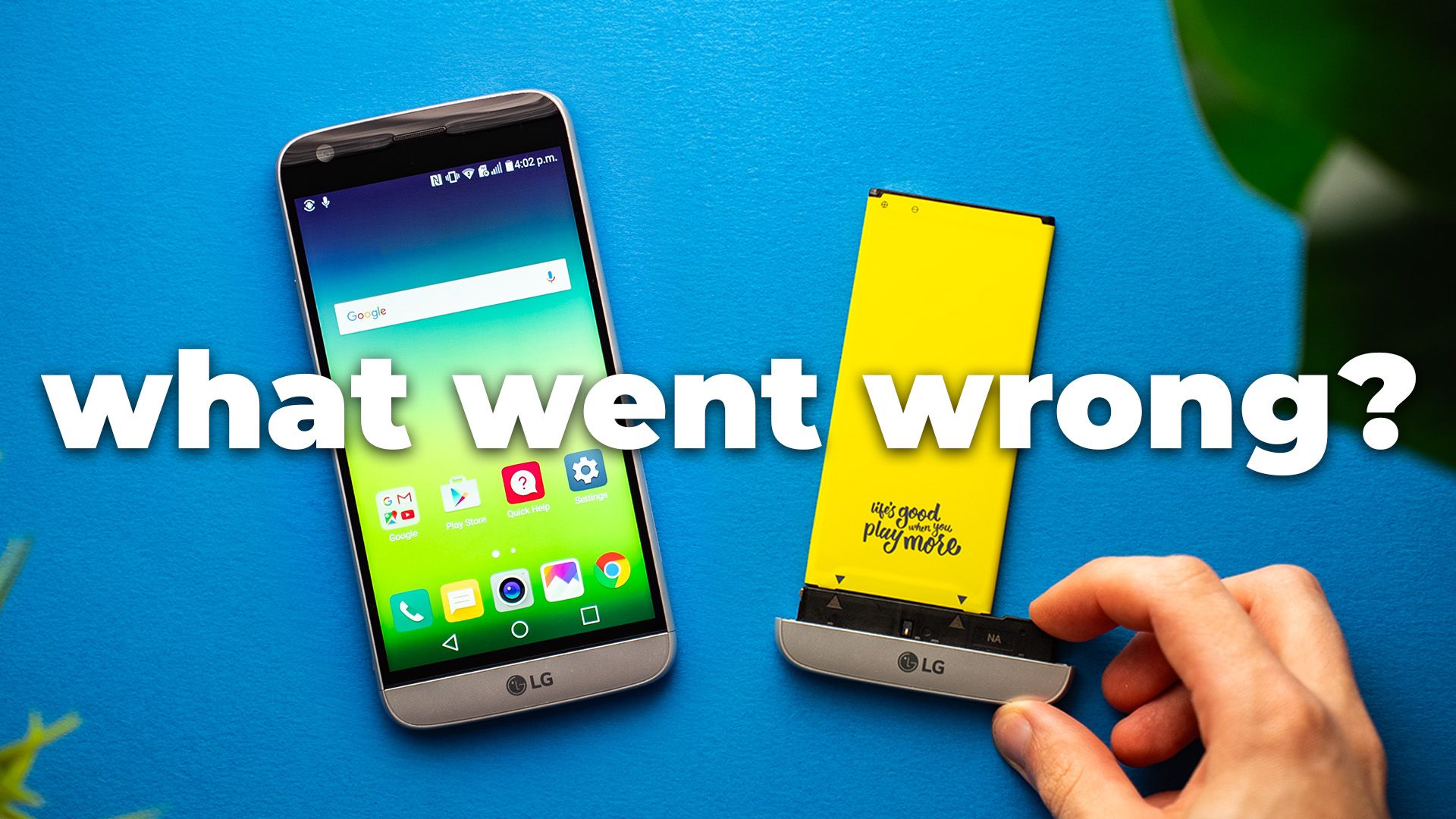
LG attempted a softer version with the LG G5 in 2016, offering a removable bottom section that could swap in a camera grip or high-fidelity audio module. Sales disappointed. LG discontinued the modular format the following year.
Fairphone, a Dutch social-enterprise manufacturer, took a different approach. It targeted consumers willing to pay a premium specifically for repairability and ethical supply chains. Fairphone's own filings show it has shipped several hundred thousand units across successive generations — a niche figure against the hundreds of millions of handsets Apple and Samsung move annually, according to IDC.
Consumers Did Not Follow
Market research consistently showed that most smartphone buyers ranked camera quality, battery life, and price above repairability when making purchase decisions. Modular designs required physical compromises — thicker chassis, additional seams, heavier frames — that conflicted directly with the thinness and water resistance consumers demanded.
Water resistance ratings under the IEC 62368-1 standard require sealed enclosures. A phone with removable modules cannot carry a high IP dust and water resistance rating without engineering workarounds that add cost and weight.
Right to Repair Shifts the Debate
The modular phone’s commercial failure did not end the repair conversation. Right-to-repair legislation has advanced in multiple jurisdictions. The European Parliament passed a right-to-repair directive in April 2024, requiring manufacturers to make spare parts and repair tools available for a defined product lifespan.
Apple and Samsung have both launched self-repair programs in the United States, offering genuine parts and repair manuals directly to consumers — a structural shift neither company would have considered five years earlier.
Fairphone remains the only manufacturer still shipping a device explicitly designed around modular repairability as a primary selling point.