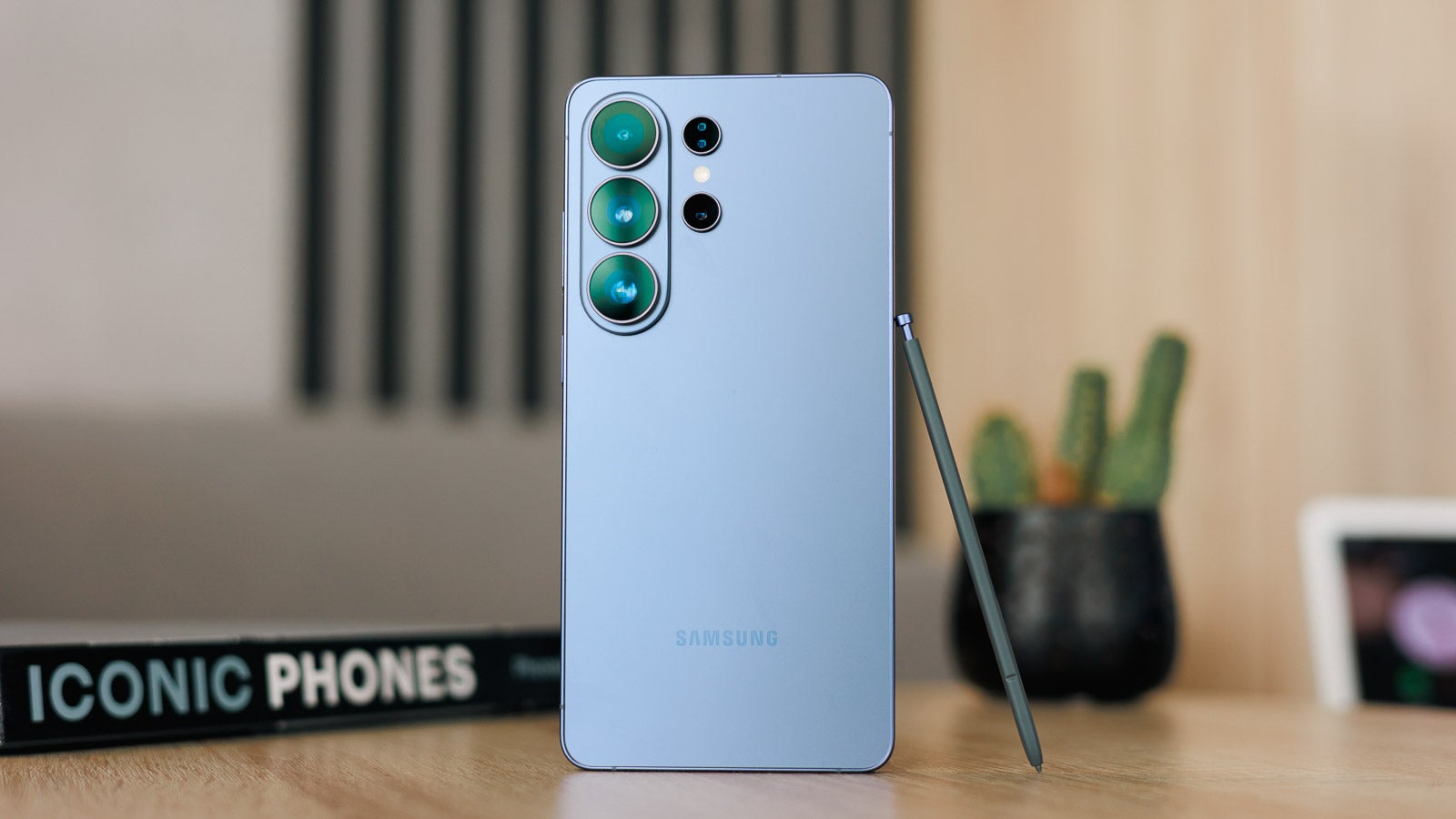
Samsung is preparing another round of price increases across its Galaxy flagship smartphone range, according to people familiar with the company’s plans.
The move would affect the Galaxy S26 series and earlier flagship models still on sale, potentially pushing already-premium devices further out of reach for budget-conscious buyers — though the exact timing and scale of any increases remain unclear.
Tariffs and Components Drive Costs Up
Samsung manufactures a significant portion of its smartphones in Vietnam and South Korea. Both countries face exposure to shifting U.S. trade policy, and tariffs on imported electronics have added direct pressure to device pricing in the American market.
The U.S. Trade Representative has maintained elevated tariff schedules on a range of consumer electronics components, squeezing margins for manufacturers that assemble or source parts across multiple countries.
At the same time, the cost of advanced semiconductor packaging and display panels has risen. Samsung’s flagship devices rely on high-end OLED displays and cutting-edge processors — components that carry some of the steepest price tags in the supply chain.
Samsung Has Raised Prices Before
This would not be the first time Samsung has moved prices upward on its flagship line. The Galaxy S25 series launched in early 2025 at higher starting prices than the S24 in several markets, a pattern the company has repeated across multiple product generations.
Apple has followed a similar strategy, incrementally raising iPhone prices over several years to offset both component inflation and currency fluctuations in key markets.
Samsung has not confirmed any specific price changes publicly. The company declined to comment on internal planning for future product pricing.
What It Means for the Lineup
The Galaxy S26 is expected to arrive in early 2026, following Samsung’s established annual release cycle. If price increases go ahead, consumers buying on release day could face higher upfront costs than they paid for equivalent S25 models.
Older flagship models — including the S25 and S24 series — remain available through carriers and retailers. Any price adjustment on those devices would likely flow through promotional structures and carrier subsidy programs rather than hitting consumers directly at full retail.
Samsung holds roughly 20% of global smartphone market share, according to IDC, making it the world’s largest smartphone maker by volume. Even modest price changes across its flagship tier carry broad market implications.
The premium Android segment, where Samsung competes most directly with Google’s Pixel line and select devices from Chinese manufacturers, has grown more price-sensitive as economic pressures weigh on consumer spending in North America and Europe.
Samsung’s Galaxy S series sits at the top of its product hierarchy, with the Ultra variant typically priced above $1,200 in the U.S. market. The standard S25 launched at $799, while the S25+ started at $999, per Samsung’s official U.S. pricing at launch.