—
Samsung controls a portfolio of audio brands including AKG, Harman, JBL, and Denon, a position that has shaped the company’s earbud development over the past decade.
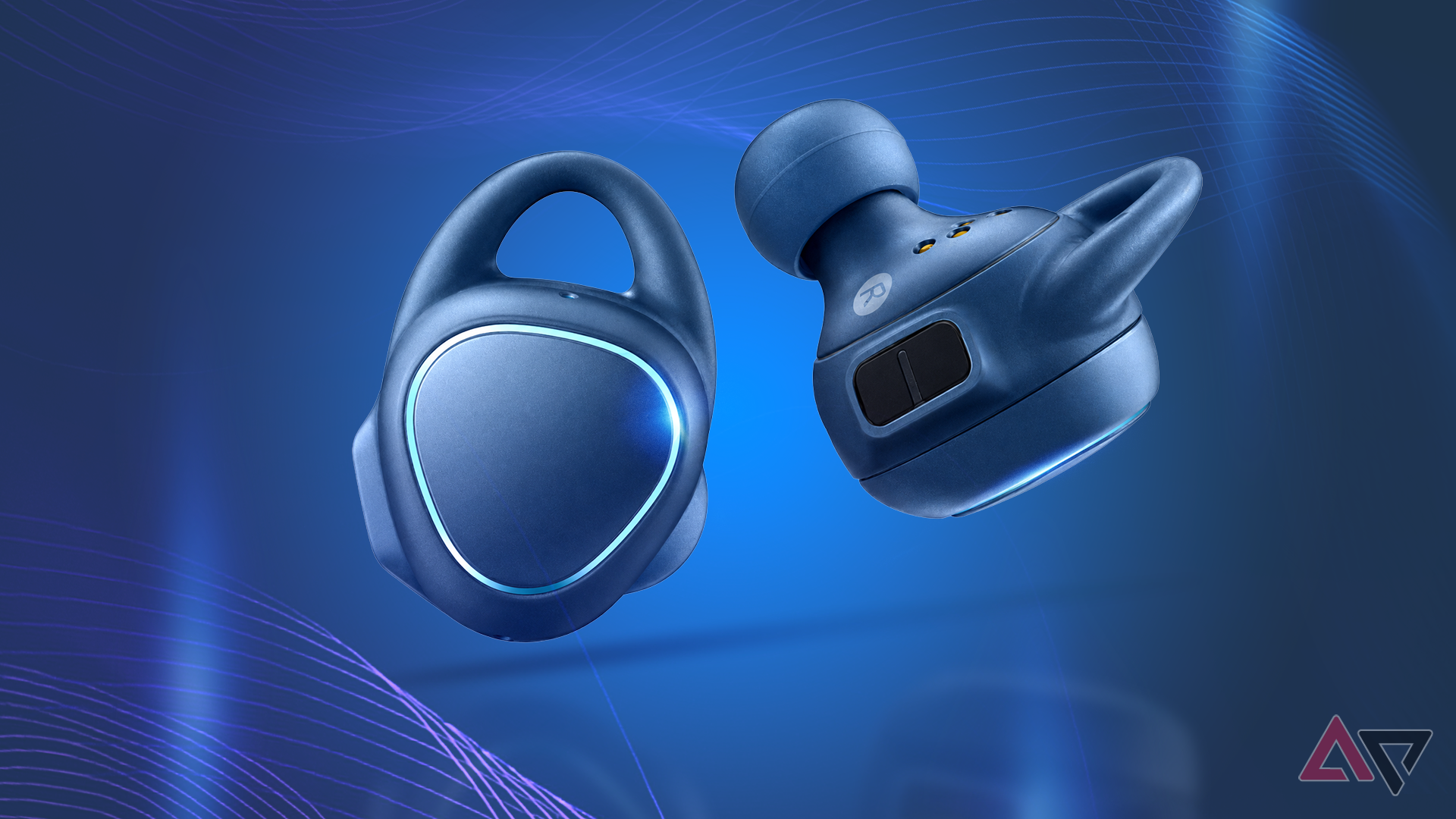
The company’s early wireless earbud designs incorporated capabilities that manufacturers have not replicated in subsequent generations. Those original products offer lessons about features consumers valued before the market standardized around fitness tracking and noise cancellation.
Samsung’s acquisition of Harman International in 2014 for $8 billion positioned the company as a major player across consumer and professional audio equipment. The purchase brought JBL, AKG, and Denon under Samsung’s control, creating a rare vertical integration in an industry typically fragmented among specialists.
That ownership structure informed Samsung’s approach to the Galaxy Buds line when it launched the first models in 2015. Engineers had access to tuning expertise from some of the audio industry’s most recognized names.
Early Galaxy Buds included touch controls that responded to taps and swipes across the earbud surface. Users could adjust volume, skip tracks, and activate voice assistants without reaching for their phone.
Modern earbuds have largely abandoned this interface. Current models rely instead on button presses or voice commands exclusively. The touch surface approach allowed faster, more intuitive control during exercise or driving.
Samsung’s original earbuds also featured ambient sound modes that users could customize in granular detail. Rather than offering preset profiles, the software allowed adjustment of which frequencies the user heard from the environment.
Contemporary competitors offer ambient modes. Even so, few provide the frequency-specific filtering that early Galaxy Buds did. Users of those older models could isolate conversation while blocking wind noise, or hear traffic safety alerts while muting background music.
Battery life claims have improved steadily across the earbud market. Yet Samsung’s first-generation models achieved comparable performance to today’s products—roughly five hours on a single charge with additional charges from the case.
The company’s early designs also included sensors that detected when users removed earbuds from their ears and paused playback accordingly. That feature became standard practice by the mid-2020s.
Samsung’s original wireless earbuds shipped with ear tips in multiple sizes and materials. The company provided silicone, gel, and foam options to accommodate different ear canal shapes and preference for durability versus comfort.
Many current earbud manufacturers have narrowed their included ear tip selections. Some offer only a single material, forcing users to purchase third-party alternatives if the standard option doesn’t fit properly.
The Galaxy Buds’ design also prioritized rapid pairing with any Bluetooth device rather than requiring proprietary software for full functionality. Basic connection and playback worked without downloading an app, though advanced features remained locked behind Samsung’s ecosystem.
That approach contrasted with competitors who required app installation before earbuds functioned at full capacity. Modern earbuds have largely moved toward the proprietary software model, creating friction for users switching devices.
The original Galaxy Buds also included a physical charging case design that remained relatively compact despite containing batteries for multiple charges. Later models increased case size to accommodate additional battery capacity and new features like wireless charging.
Samsung’s early commitment to audio quality differentiated the Galaxy Buds from fitness-focused competitors. The company prioritized balanced frequency response over bass-heavy tuning that dominated the budget earbud market at the time.
That signature sound came directly from Harman’s expertise. The brand had spent decades refining audio reproduction standards across speakers, headphones, and studio equipment.