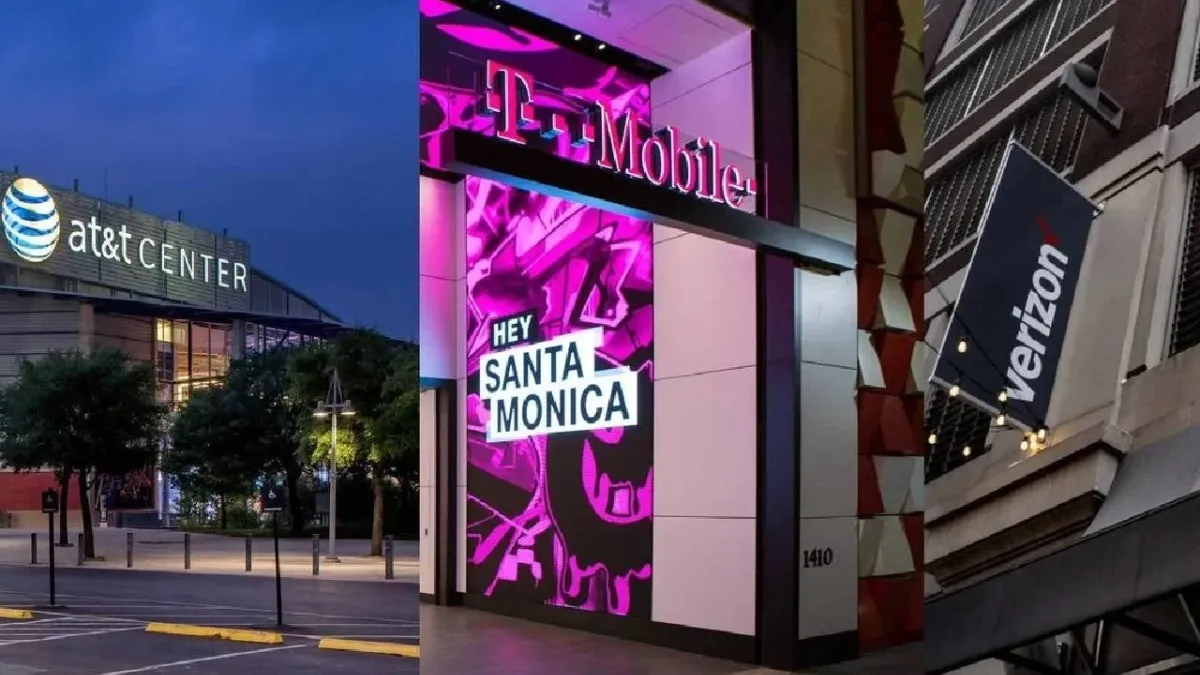
SpaceX has publicly attacked the practice of carrier phone locking — the system by which wireless carriers restrict a device to their own network — targeting T-Mobile, Verizon and AT&T in a broadside that aligns with growing regulatory pressure on the industry.
The Elon Musk-owned company accused the carriers of holding customers hostage by preventing them from freely switching networks or using their devices abroad without carrier permission.
What Phone Locking Means for Consumers
A locked phone ties a handset to a single carrier’s network, blocking the SIM cards of competing providers until the carrier releases the device — a process that can take up to 180 days under current industry practice.
Consumers who travel internationally or attempt to switch carriers before that window closes face either steep roaming fees or an outright blocked device.
SpaceX’s criticism targets that 180-day threshold directly, framing it as an anti-competitive mechanism designed to trap subscribers rather than protect network infrastructure.
SpaceX’s Play
SpaceX operates Starlink, its satellite broadband service, and has partnered with T-Mobile to offer direct-to-cell satellite connectivity — a technology that lets standard smartphones connect to satellites without specialized hardware.
That partnership makes SpaceX’s public attack on T-Mobile notable. The company appears willing to pressure its own partners when broader policy goals are at stake.
The move signals that SpaceX intends to position itself as a consumer-friendly disruptor in the U.S. wireless market, where it increasingly competes with the same carriers it is now criticizing.
The Regulatory Backdrop
The Federal Communications Commission has long fielded complaints about carrier locking. In 2023, the FCC launched a formal proceeding to examine whether locking rules needed tightening, citing consumer harm as a central concern.
U.S. carriers are not legally required to unlock devices immediately upon purchase. Current voluntary industry commitments — not binding federal rules — govern most unlocking timelines, leaving enforcement inconsistent across providers.
By contrast, the United Kingdom mandates that all phones sold by carriers must come unlocked from the point of sale, a standard U.S. consumer advocates have pushed Washington to adopt.
The GSMA, the global mobile industry association, has acknowledged that locking practices vary significantly by market, with the U.S. among the slower jurisdictions to move toward mandatory unlocking.
Meanwhile, the Biden administration’s broader push on junk fees and consumer protection created an opening for companies like SpaceX to frame carrier locking as another form of corporate overreach — a framing the current FCC proceeding may yet formalize into rule changes.
T-Mobile, Verizon and AT&T together account for roughly 95% of U.S. wireless subscribers, according to Statista, giving the three carriers substantial leverage over the terms consumers face when buying or transferring devices.