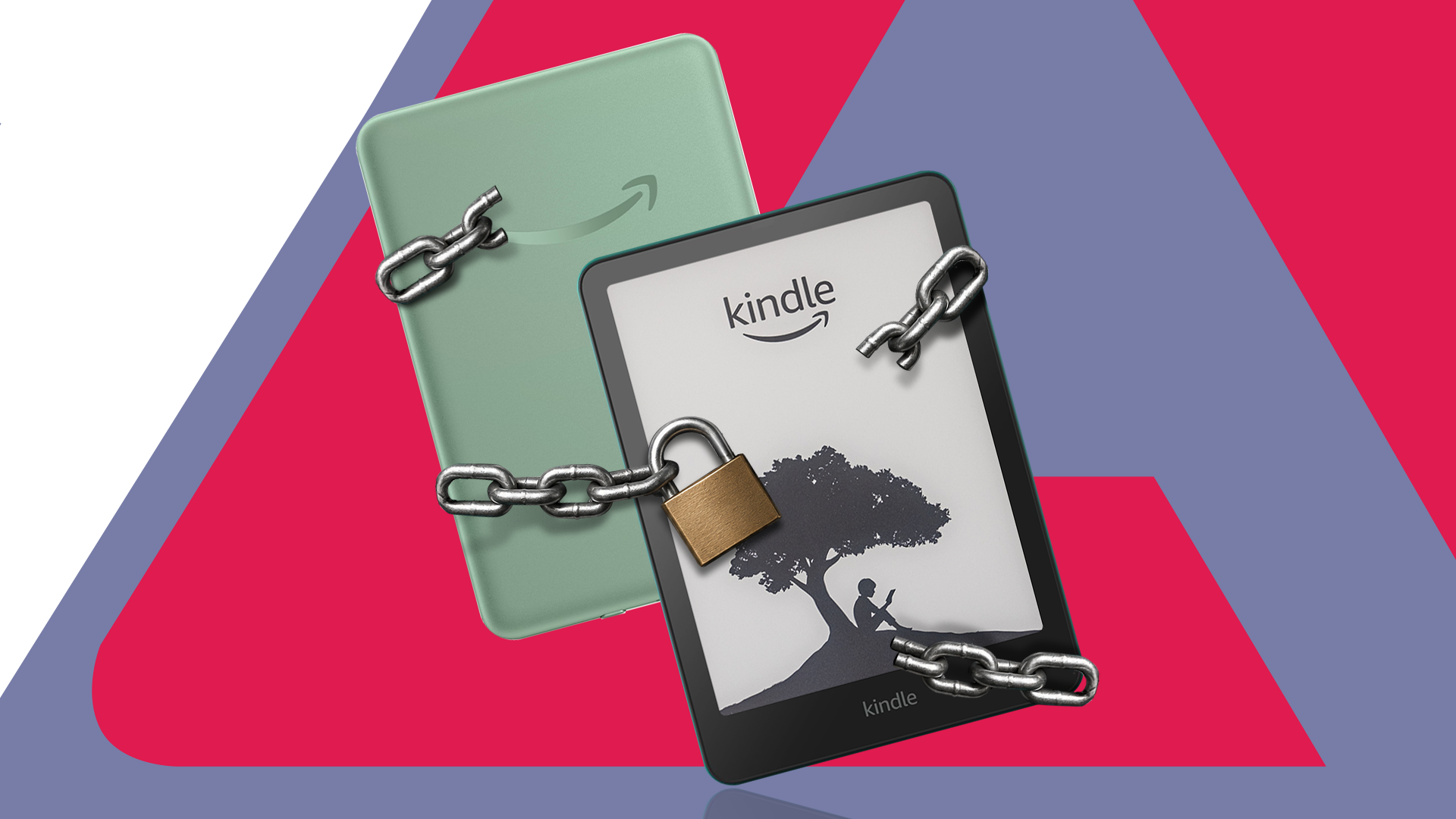
Amazon has stopped providing software updates for a range of older Kindle e-readers, leaving owners with a shrinking window to jailbreak their devices before losing access to features and content.
The move follows Amazon’s pattern of sunsetting hardware that no longer receives firmware support, effectively stranding users on outdated software with no path to official fixes or new functionality.
What jailbreaking does
Jailbreaking removes manufacturer-imposed restrictions on a device, allowing users to install third-party software, sideload e-books from sources outside Amazon’s store, and access file formats the Kindle does not natively support.
Once Amazon pushes a firmware update that patches known exploits, that window closes permanently for affected models. Users who do not jailbreak before the update — or before the device loses connectivity to Amazon’s update servers — lose the option entirely.
Which devices are affected
Amazon has not published a consolidated end-of-support list, but the company has historically dropped update support for Kindles that are several generations old. Owners of devices such as the Kindle Keyboard, older Paperwhite generations, and early Voyage models are most likely to be affected.
Users can check their device firmware version by navigating to Settings, then Device Options, then Device Info. Comparing that version against current jailbreak compatibility lists maintained by communities on MobileRead Forums can confirm whether an exploit remains available.
How the jailbreak works
The most widely used method relies on a firmware exploit documented by the MobileRead community. The process involves downloading a jailbreak package, transferring it to the Kindle via USB, and triggering the install through the device’s search or update interface.
After a successful jailbreak, users typically install KUAL — the Kindle Unified Application Launcher — along with KOReader, an open-source document viewer that supports EPUB, PDF, CBZ, and other formats the stock Kindle software does not handle.
Amazon’s standard warranty and terms of service do not cover jailbroken devices, meaning users accept the risk of a non-functional device if the process fails or if Amazon later pushes a patch that breaks the modification.
Why users act now
The urgency stems from how Amazon delivers updates. Older devices still connected to Wi-Fi can receive automatic firmware pushes, which patch exploits without warning. Users who want to jailbreak should disable automatic updates immediately and proceed before any new firmware installs.
Putting a device into airplane mode prevents Amazon’s servers from pushing an update in the background. That step alone can preserve the exploit window for weeks or months.
Background
The debate over device ownership and manufacturer control has gained legal attention in recent years. The U.S. Copyright Office grants exemptions under the Digital Millennium Copyright Act that permit jailbreaking of smartphones and some other personal devices for interoperability purposes, though e-readers occupy a less clearly defined space within those exemptions.
Amazon sells Kindle hardware at or near cost, according to statements the company has made in investor briefings, and recovers margin through content sales in its ecosystem — a structure that gives the company a financial incentive to keep devices tethered to its store.