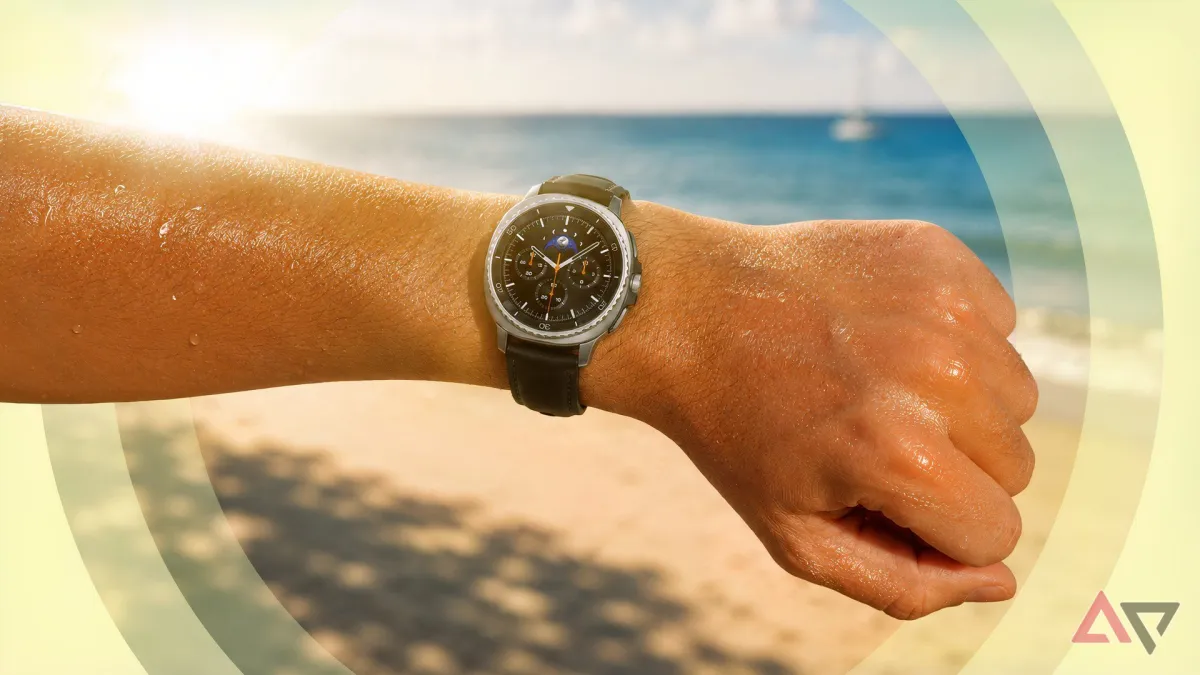
Smartwatches rank among the fastest-growing consumer electronics categories, yet millions of users quietly shelve their devices each summer when heat and sweat make wearing one genuinely unpleasant.
That discomfort is not inevitable.
Band Material Makes the Biggest Difference
The stock silicone bands shipped with most smartwatches — from the Apple Watch Series 9 to the Samsung Galaxy Watch 7 — trap heat and moisture directly against the skin.
Swapping to a perforated silicone or woven nylon band dramatically improves airflow, reducing the sticky, irritated feeling that drives most users to pull their watch off by midday.
Nylon sport bands, widely available for Under from third-party sellers on Amazon, wick moisture away from the skin rather than holding it in place.
For users willing to spend more, titanium or aluminum mesh bands conduct heat away from the wrist while remaining lightweight — a genuine functional upgrade, not merely an aesthetic one.
Fit Is Just as Important as Material
A band worn too tight restricts circulation and amplifies sweat buildup underneath the watch body, where optical heart-rate sensors — the LED-based components that read pulse through the skin — sit flush against the wrist.
That said, wearing the band too loose degrades sensor accuracy, according to guidance published by Apple and Samsung in their respective device support documentation.
The recommended fit: snug enough that the watch Does Not slide freely, but loose enough to slip one finger underneath the band.
During exercise, a slightly tighter fit improves sensor contact. Immediately after, loosening the band one notch allows skin to breathe and prevents the rash-like irritation — contact dermatitis — that some users develop over prolonged summer wear.
Clean the Watch and Band Regularly
Sweat contains salt, oils, and bacteria. Left to accumulate under a watch band, those residues break down both skin and band material over time.
Rinsing a silicone or nylon band with fresh water daily takes under 30 seconds and removes the bulk of irritant buildup.
The watch case itself requires more care. Most current flagship smartwatches carry a water resistance rating of 5ATM — meaning they withstand pressure equivalent to 50 meters of water depth — making a quick rinse under a tap entirely safe.
Users should dry the underside of the watch body thoroughly before reattaching it to the wrist, as trapped moisture is a primary cause of skin irritation during summer months.
Take Breaks
No band material or fit adjustment fully substitutes for simply taking the watch off periodically.
Dermatologists generally recommend removing a wearable for at least 30 minutes after extended sweaty activity, allowing skin to dry completely before the watch goes back on.
The American Academy of Dermatology has flagged contact dermatitis linked to wearable devices as a growing concern, noting that both nickel in watch components and adhesives in some bands act as common allergens.
Users who develop persistent redness or itching beneath a watch band should consult a dermatologist before assuming the discomfort is simply heat-related.
Watch Face Brightness and Battery Heat
High screen brightness settings push more current through the display, generating additional heat at the wrist — a minor but measurable factor on hot days.
Setting the display to auto-brightness, available on virtually every current smartwatch platform, reduces unnecessary heat output and extends battery life simultaneously.
Processor-intensive features like continuous GPS tracking and always-on heart rate monitoring also increase device temperature. Disabling them during casual, non-workout use keeps the watch cooler against the skin.
Smartwatch shipments globally reached 43.8 million units in the first quarter of 2024, according to IDC, underscoring how many people now navigate the seasonal comfort challenge each year.