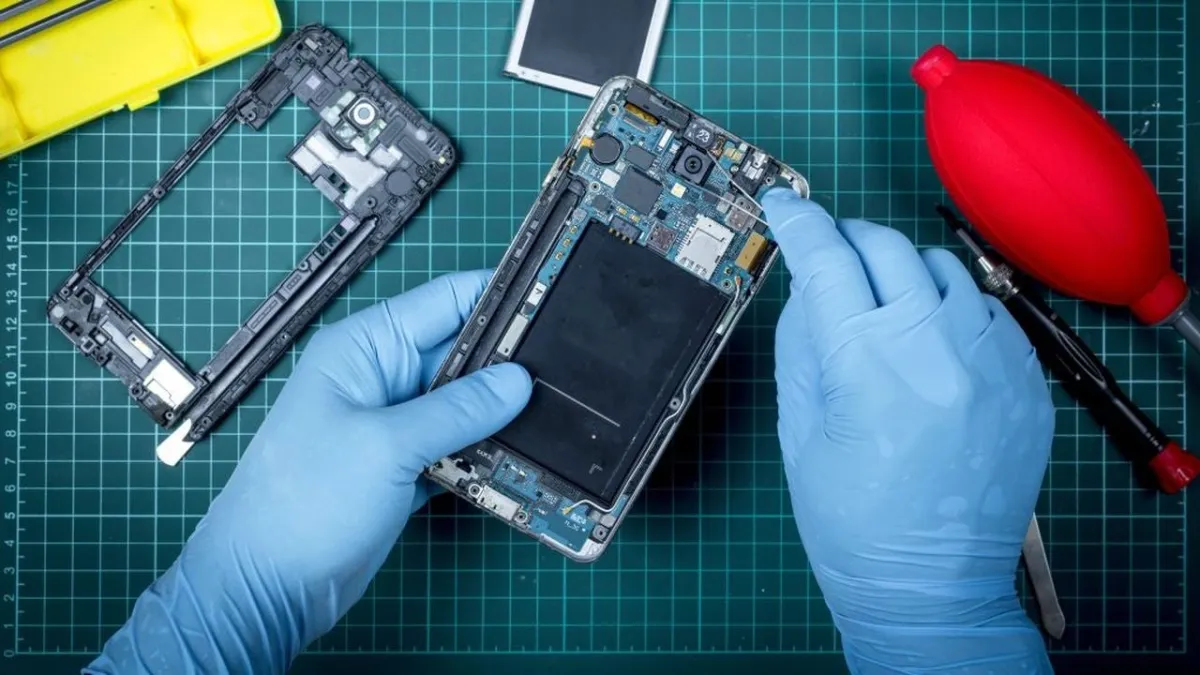
A strong majority of smartphone users want the ability to swap their own phone battery, according to a recent reader poll by PhoneArena.
The poll drew an overwhelming share of votes in favor of user-replaceable batteries — the kind consumers can remove and swap without tools or manufacturer assistance.
Why It Matters
Smartphone makers, led by Apple and Samsung, phased out removable batteries through the 2010s in favor of slimmer, sealed designs with larger internal cells.
That shift prioritized thinner profiles and water resistance ratings, but it also removed a feature millions of users had relied on for years.
Still, consumer appetite for the feature has not disappeared.
The EU Factor
The European Union has moved to put replaceable batteries back on the agenda. The EU’s Battery Regulation, passed in 2023, requires portable device batteries to be readily replaceable by users by 2027.
That rule applies to devices sold across the EU’s 27 member states — a market too large for most manufacturers to ignore.
As a result, brands including Samsung have begun engineering modular battery designs into upcoming device roadmaps to comply ahead of the deadline.
The Trade-Off Debate
Manufacturers have long argued that sealed batteries allow for larger capacity, better waterproofing, and tighter structural integrity.
That said, critics counter that repairability and longevity matter more to consumers than marginal gains in thinness.
The global smartphone repair market supports that view. The sector reached $4.5 billion in 2023 and continues to expand, according to Statista, driven in large part by battery replacements carried out by third-party repair shops.
Right to Repair Gains Ground
The Replaceable Battery debate sits inside the broader right-to-repair movement, which pushes for consumer and independent technician access to parts, tools, and repair documentation.
In the United States, the Federal Trade Commission has backed right-to-repair principles, and several states have passed or introduced legislation requiring manufacturers to support independent repairs.
Apple launched its Self Service Repair program in 2022, allowing U.S. customers to order official parts and carry out their own iPhone repairs — a notable policy reversal for a company that had previously directed users exclusively to authorized service centers.
Samsung followed with expanded repair partnerships through iFixit, giving consumers access to genuine parts for select Galaxy devices.
Meanwhile, Fairphone — a Dutch manufacturer built around repairability — has sold modular smartphones with swappable batteries for Over a Decade, carving out a niche among sustainability-focused buyers.
Battery degradation remains one of the top reasons consumers upgrade their phones. Apple's own support documentation acknowledges that iPhone batteries retain up to 80% of their original capacity at 500 complete charge cycles under normal conditions.
For many users, that threshold arrives well within a typical two- to three-year ownership window.