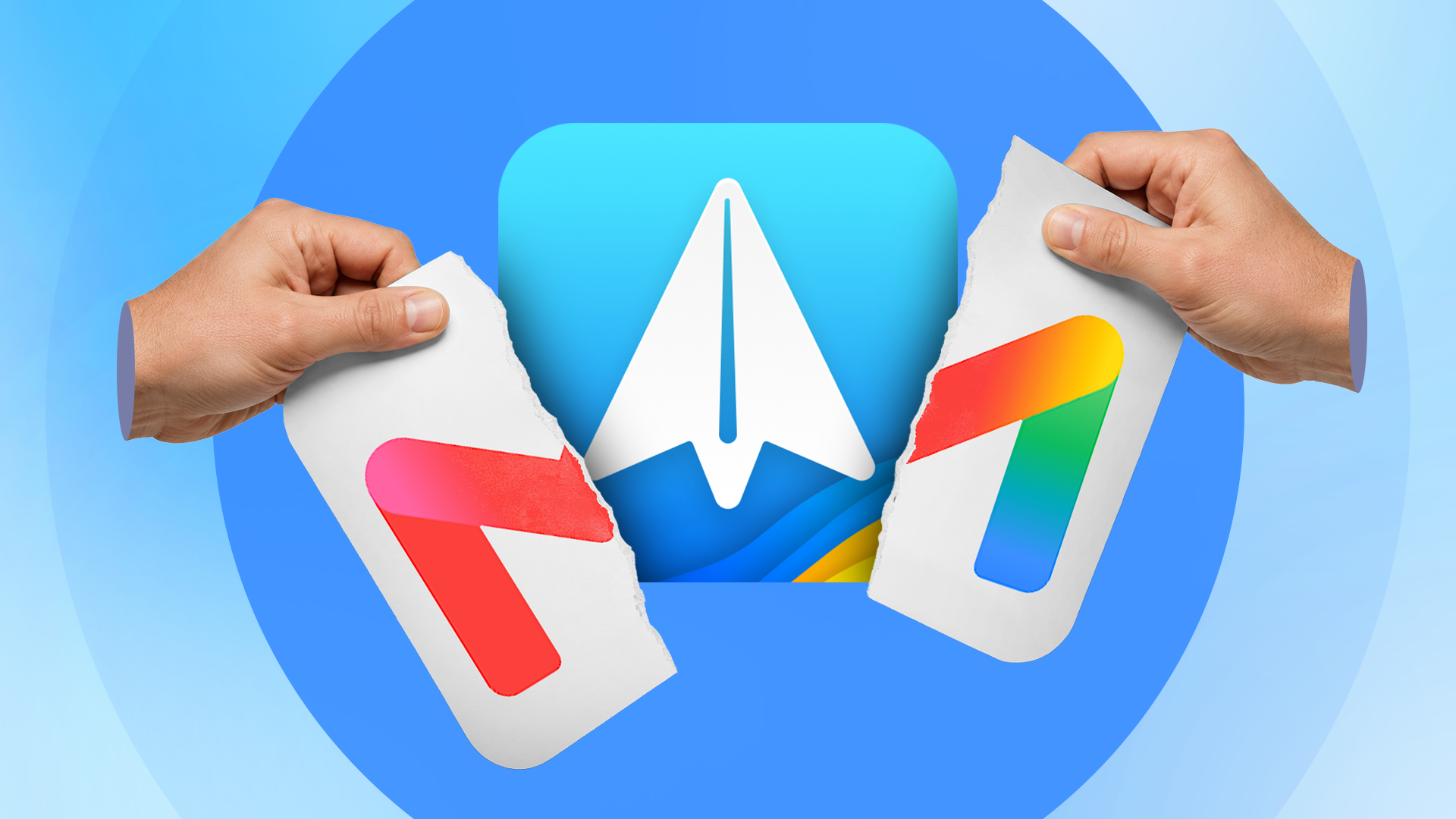
Gmail still dominates Android email, but some power users are walking away from Google’s flagship mail client in search of apps that handle high-volume inboxes more effectively.
The shift reflects a broader tension between Gmail’s consumer-focused design and the demands of users who treat email as a productivity system rather than a messaging service.
Why Users Are Leaving Gmail
Gmail holds roughly 1.8 billion active users worldwide, according to Google's own public disclosures, making it the world’s largest email service by active accounts.
Still, volume alone does not equal loyalty. A segment of Android users — productivity-focused professionals and heavy correspondents — say Gmail’s interface no longer fits the way they work.
The core complaint centers on inbox management. Gmail’s default tabbed layout, which sorts mail into Primary, Social, and Promotions categories, was designed to reduce noise, but some users say it obscures messages they need to act on quickly.
Inbox Zero — the productivity method of keeping an email inbox empty or near-empty by processing every message to completion — requires a clear, fast workflow. Gmail’s design can work against that for high-volume accounts.
What Third-Party Apps Offer
Several Android email clients have built features specifically around triage-style inbox management.
Apps such as Mimestream, Spark, and Superhuman allow users to snooze messages, set follow-up reminders, and apply keyboard-driven shortcuts that move through an inbox at speed. These functions exist in Gmail but sit deeper in menus, adding friction.
Some third-party clients also offer a unified inbox view, pulling accounts from multiple providers — Google, Microsoft Outlook, Apple Mail — into a single feed. Gmail handles only Google accounts natively.
At the same time, switching carries real costs. Third-party apps require users to grant account access to external servers, which raises data-handling questions that Google’s own infrastructure does not.
Gmail’s Competitive Position
Google has not ignored the productivity segment. It rolled out Gmail add-ons for Workspace users and integrated Google Tasks and Google Chat directly into the Gmail interface.
The company also introduced priority inbox features and smart reply years ago, using on-device machine learning to surface messages it judges most relevant. Google markets these as central to Workspace, its paid productivity suite aimed at businesses.
Even so, Workspace features are often locked behind subscription tiers. Google Workspace Business Starter starts at $6 per user per month, according to Google's Workspace pricing page, putting some tools beyond individual users on free accounts.
The App Ecosystem
The Android email app market has fragmented significantly since Google discontinued its own Inbox by Gmail experiment in 2019, a product that had offered a card-based, task-oriented take on email management.
That closure pushed a group of productivity-minded users toward alternatives and seeded demand for the triage-focused features now common among third-party developers.
Google has maintained Gmail’s core architecture largely intact since then, adding incremental features rather than redesigning the inbox experience from the ground up.