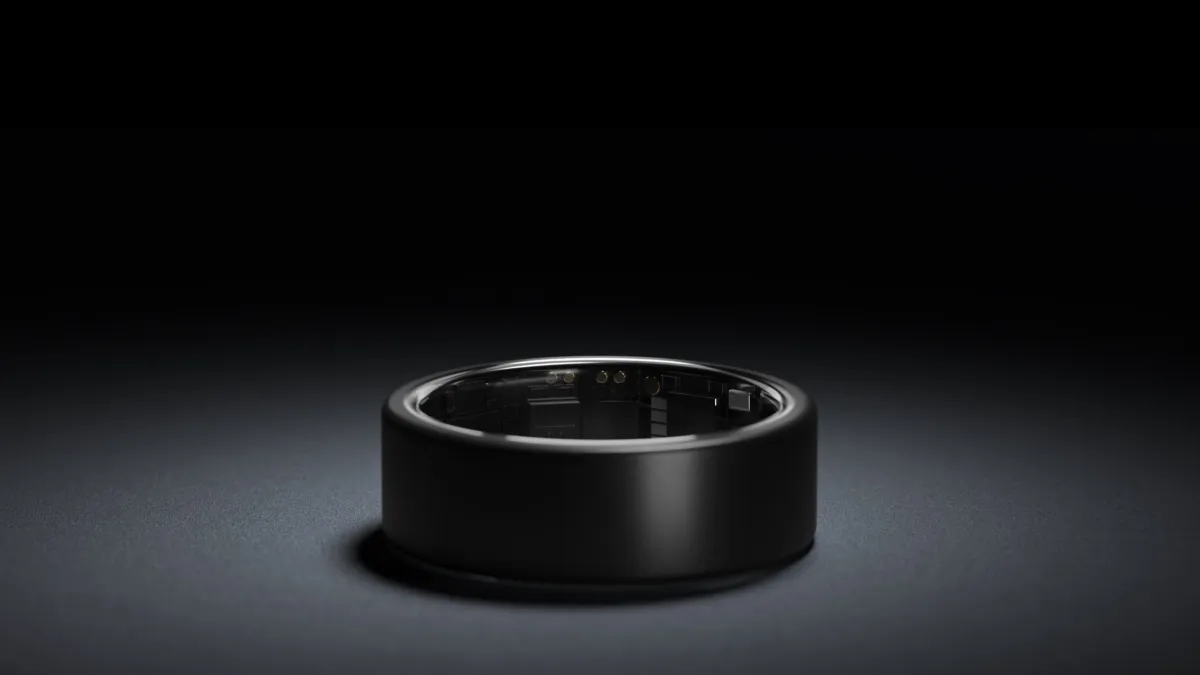
A smart ring manufacturer confirmed hackers accessed customer health data, then issued a response that security observers say minimizes the severity of the intrusion.
The company told users attackers gained “read-only” access to its systems — a framing that acknowledges the breach while stopping short of characterizing what data was exposed or how many users were affected.
What “Read-Only” Actually Means
Read-only access means an attacker could view and copy data without altering or deleting it. That distinction matters to system integrity, but it offers little comfort to users whose biometric or health records were exposed.
Health data carries significant legal weight in many jurisdictions. In the United States, certain categories of personal health information fall under the Health Insurance Portability and Accountability Act, or HIPAA, which imposes strict rules on how companies must handle, store and disclose breaches involving that data.
Smart rings typically collect sensitive biometric information — including heart rate, blood oxygen levels, sleep patterns and menstrual cycle data — making any unauthorized access to that data more consequential than a breach of, say, an email address.
The Company’s Response
The manufacturer’s statement leaned on the “read-only” characterization as a central reassurance. It did not clarify the full scope of exposed records, identify the vulnerability attackers exploited, or specify a timeline for when the intrusion occurred and when the company detected it.
Security researchers and privacy advocates have repeatedly flagged this pattern — companies disclosing breaches in language calibrated to limit reputational damage rather than inform affected users.
That approach carries its own risks. Regulators in the European Union, under the General Data Protection Regulation, require companies to notify affected individuals and relevant authorities within 72 hours of detecting a breach. Failure to do so can result in fines of up to 4% of global annual revenue, according to the European Commission.
Why Smart Ring Data Is Particularly Sensitive
Wearable health devices have grown sharply in adoption. The global wearable medical device market was valued at $27.4 billion in 2022 and is projected to expand at a compound annual growth rate of 26.8% through 2030, according to Grand View Research.
That growth has outpaced regulatory frameworks in several markets, leaving gaps in how companies must secure the data they collect.
Unlike a stolen password — which a user can change — biometric data is permanent. A leaked resting heart rate or sleep disorder pattern cannot be reset. Insurers, employers and data brokers have demonstrated commercial interest in exactly this category of information.
The Federal Trade Commission has moved against several health data companies in recent years for mishandling sensitive user information. In 2023, the FTC finalized an order against telehealth firm Cerebral for sharing patient data with third-party advertisers, according to the FTC.
Smart ring adoption has accelerated alongside broader consumer interest in continuous health monitoring, with devices from companies including Oura, Samsung and others competing for Market Share.