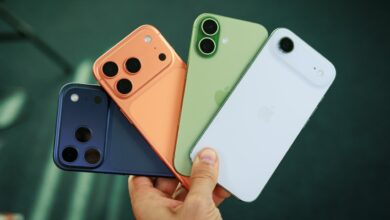
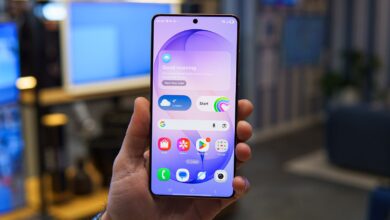
The Vivo X300 Ultra outperformed Apple’s iPhone 17 Pro in a series of sample camera comparisons published by PhoneArena, putting pressure on Apple’s flagship ahead of its wider market reception.
The tests covered multiple shooting scenarios, pitting two of the highest-profile smartphones of their respective release cycles against each other.
What the Comparison Covered
PhoneArena’s side-by-side samples tested both devices across standard, wide, and telephoto lenses — the three optical systems that define flagship camera competition in 2025.
Telephoto performance has become the primary battleground for premium smartphones, with manufacturers investing heavily in periscope lens technology to extend optical zoom range without increasing device thickness.
The X300 Ultra carries a large-sensor primary camera and a high-magnification periscope telephoto, hardware specifications Vivo has positioned against the upper tier of the Android and iOS markets alike.
How the Two Devices Differ
Vivo markets the X300 Ultra primarily in China and select Asian markets. The iPhone 17 Pro targets a global audience and carries Apple’s in-house silicon alongside its camera system.
Apple’s A-series chips process computational photography — software-driven image enhancement — at a speed that gives its cameras an advantage independent of lens hardware alone.
Vivo, by contrast, leans on sensor size and optical hardware. Larger sensors capture more light per pixel, which tends to improve low-light performance in direct hardware-to-hardware comparisons.
Sample Photo Results
In daylight shots, the X300 Ultra produced higher-detail renders with more neutral color tuning. The iPhone 17 Pro leaned toward warmer tones and applied stronger computational sharpening.
Neither approach is objectively superior — color science and processing style reflect deliberate manufacturer choices that appeal differently to different users.
Low-light samples showed the X300 Ultra retaining more shadow detail in scenes with limited ambient light. The iPhone 17 Pro controlled noise more aggressively, which smoothed fine texture in darker areas.
At telephoto distances, the X300 Ultra held structural detail at higher zoom levels. The iPhone 17 Pro maintained more consistent color fidelity across zoom ranges but lost some edge definition at maximum optical extension.
Market Context
Vivo does not publish official global sales figures, but the X300 Ultra series competes directly with Samsung’s Galaxy S25 Ultra and the iPhone 17 Pro Max in the premium segment above $1,000.
Apple reported iPhone revenue of $69.1 billion in its fiscal first quarter of 2025, accounting for roughly 53 percent of the company’s total net sales.
China remains a contested market for Apple. Reuters reported in early 2025 that Apple’s iPhone shipments in China fell during the first quarter as domestic brands, including Vivo and Huawei, gained share.
Vivo is a subsidiary of BBK Electronics, the Chinese conglomerate that also owns Oppo, OnePlus, and Realme — giving the group substantial combined scale in component sourcing and research spending.
Sample-based camera comparisons carry methodological limits. Results can vary by scene, software version, and the specific units tested, and they do not reflect the full user experience of either device.