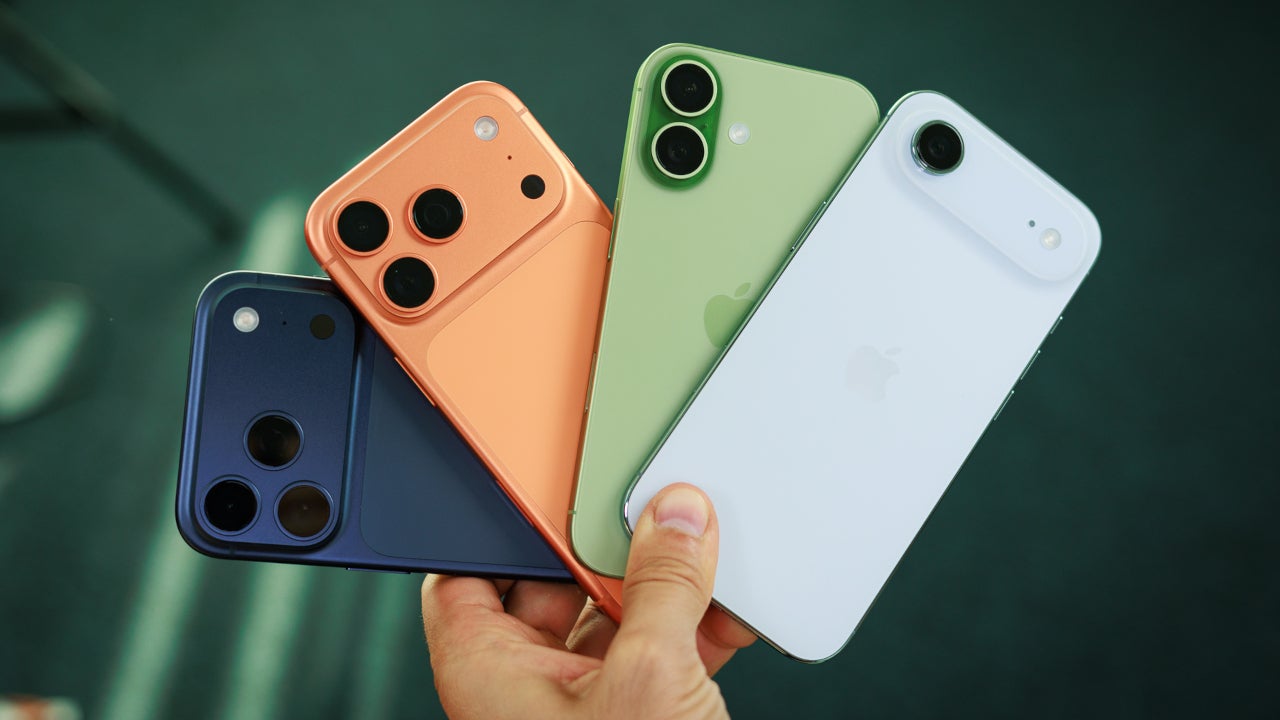
Apple now promises seven years of software updates for its iPhones, giving most users little technical reason to upgrade early. Battery health remains the one hardware factor that can force a decision sooner.
How batteries degrade
Lithium-ion batteries — the rechargeable cells inside every iPhone — lose capacity each time they complete a charge cycle. A full cycle counts as 100% of the battery’s capacity used, whether in one session or spread across several partial charges.
Apple states that its iPhone batteries retain up to 80% of their original capacity at 500 complete charge cycles under normal conditions. For a user who charges once daily, that threshold arrives in roughly 16 to 17 months.
At 80% capacity, real-world impact becomes noticeable. A phone that once lasted a full day on a charge may begin dying before evening.
When iOS adds pressure
Each annual iOS update brings features optimized for current-generation chips. Older processors can run new software but often do so with reduced efficiency, which draws more power and accelerates battery drain.
The combination — a degraded battery and a more demanding operating system — can shorten a device’s practical lifespan faster than either factor alone.
Apple’s repair option
Apple charges $99 to replace an iPhone battery at an authorized service location for most current models, according to Apple's support pricing page. That cost applies in the United States and varies by country.
A battery replacement resets the degradation clock without requiring a new device purchase. For users whose phones otherwise perform well, it extends usable life at a fraction of upgrade costs.
Still, some users skip the repair. A new iPhone purchase often coincides with carrier trade-in promotions that reduce the net cost of upgrading, making replacement feel less attractive financially.
Who actually needs to upgrade early
Heavy users — those who stream video, run location services continuously, or use processor-intensive apps throughout the day — complete charge cycles faster than once daily. Their batteries hit the 500-cycle mark well before 16 months.
By contrast, light users who make calls, send messages, and check email may not reach that degradation point until two and a half years or beyond.
The U.S. Environmental Protection Agency tracks consumer electronics waste and has noted that shorter device replacement cycles contribute to growing volumes of electronic waste. The agency encourages repair and reuse as the preferred option over early replacement.
Apple’s own environmental progress report, filed with its 2024 disclosures, states the company designs iPhones to last longer as part of its broader carbon-reduction commitments.
For most iPhone owners, seven years of software support means hardware — specifically battery condition — is the only variable worth monitoring when deciding whether an early upgrade makes financial sense.