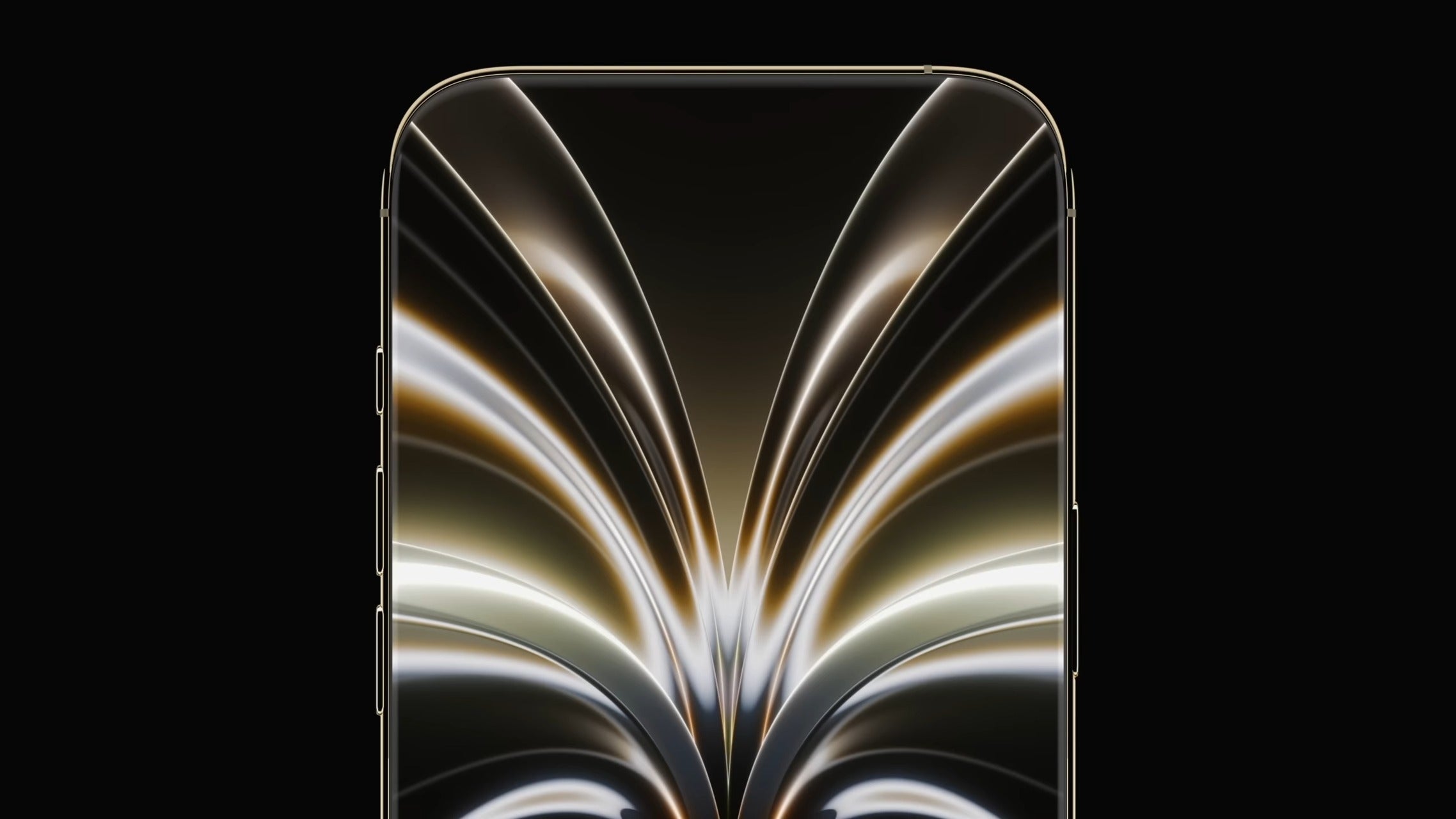
Apple’s thinnest iPhone yet is generating measurable consumer interest before the company has officially confirmed it exists.
The device, widely referred to as the iPhone 17 Air, has circulated in supply chain reports and analyst notes for months. It is expected to measure around 5.5 millimeters thick — thinner than any iPhone Apple has shipped to date, according to display analyst Ross Young via 9to5Mac.
Online search trends and forum activity reflect that interest. On Reddit’s r/apple community, threads about the Air model consistently draw more engagement than posts covering other iPhone 17 variants, including the Pro and Pro Max.
What the device is expected to offer
The iPhone 17 Air is anticipated to carry a 6.6-inch display, a single rear camera, and Apple’s A18 chip, based on supply chain reporting by The Information. That single-camera configuration marks a deliberate trade-off — slimmer profile in exchange for the multi-lens array found on Pro models.
Battery capacity remains a question. Fitting a competitive cell into a 5.5mm chassis presents an engineering constraint that Apple has not publicly addressed.
Still, the form factor appears to resonate. Thin devices have historically moved markets. Sony’s Xperia Z Ultra and Motorola’s Moto X4 both leaned on slim profiles as their primary selling point, with mixed commercial results.
Apple’s position differs. Its installed base of iPhone users — estimated at over 1.2 billion active devices globally by Apple's Q1 2025 earnings release — means even a device with hardware compromises can move significant volume.
Pricing and lineup positioning
The Air is expected to slot between the standard iPhone 17 and the iPhone 17 Pro on price, though Apple has not confirmed any figures. Analyst Jeff Pu of Haitong International forecast the Air could start at $899, making it $100 more than the base iPhone 17.
That price point would test whether consumers prioritize thinness over camera capability. Pro buyers typically cite photography as their primary reason for upgrading, according to annual survey data from Consumer Intelligence Research Partners.
The Air, by design, does not compete on that axis.
The broader context
Apple typically announces new iPhone hardware in September. A September 2025 event is expected, though the company has not scheduled or announced anything publicly.
The iPhone 17 lineup would succeed the iPhone 16 series, which Apple launched in September 2024. The iPhone 16 and 16 Plus accounted for the majority of Apple’s iPhone unit mix in its fiscal Q1 2025, per Apple's earnings call transcript via Reuters.
Thin smartphones as a product category last saw mainstream traction around 2016, when manufacturers raced toward single-digit millimeter profiles before battery concerns slowed that trend.
Apple appears to be revisiting that design direction — this time with tighter control over its own silicon, which gives it more efficiency headroom than competitors had in 2016.


