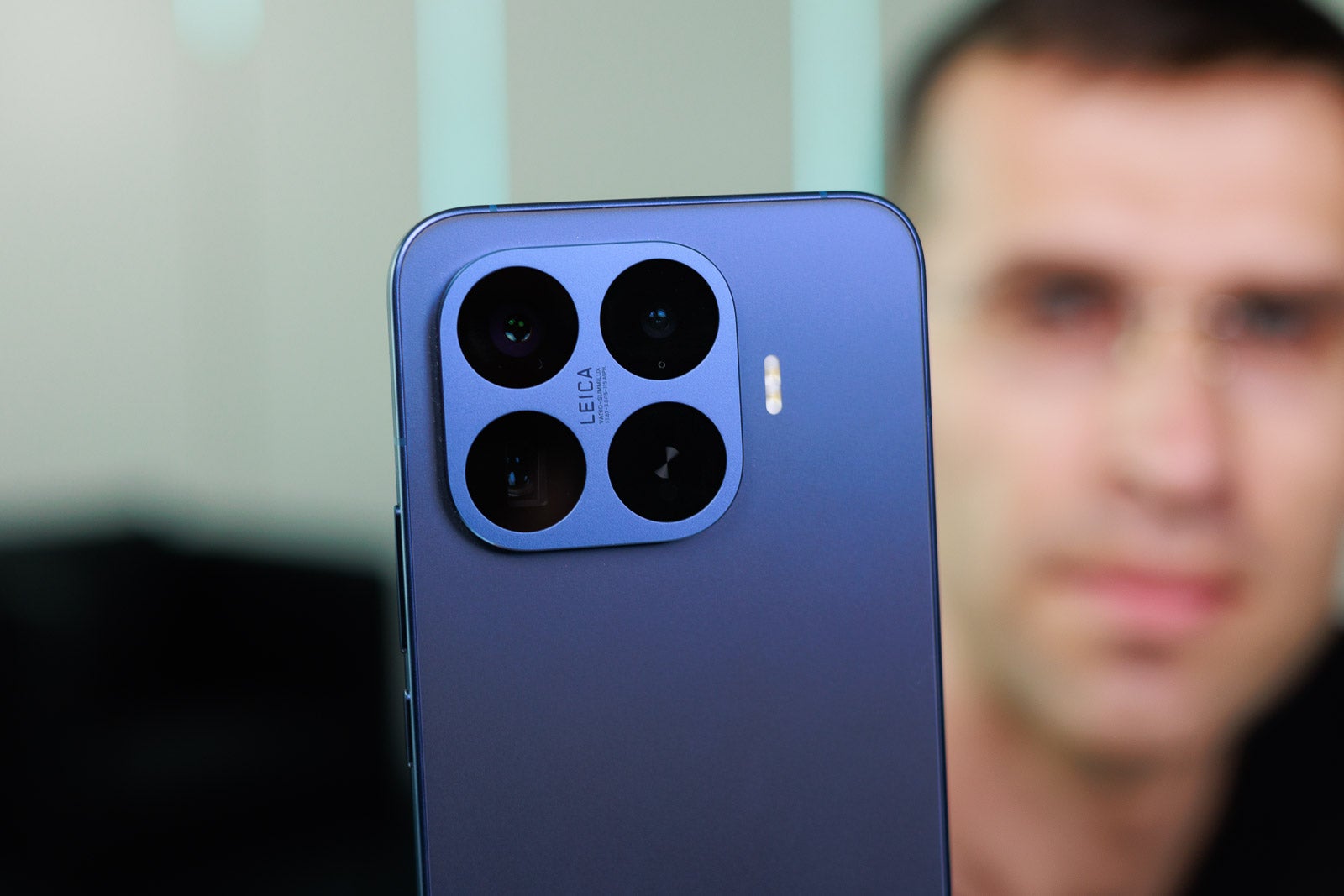
A Motorola mid-range smartphone has gone head-to-head with Apple’s iPhone 17 Pro in a real-world camera comparison, challenging the assumption that top-tier photography belongs exclusively to flagship devices.
The test, conducted by PhoneArena, pitted Motorola’s camera hardware against Apple’s latest Pro-tier handset across a range of shooting conditions.
What Was Tested
PhoneArena’s comparison covered standard daylight shots, low-light performance, and video capture — the three benchmarks that most consumers use to judge a phone camera.
The iPhone 17 Pro carries Apple’s most advanced camera system to date, built around a 48-megapixel main sensor and a new 5x telephoto lens, according to Apple's official product page.
Motorola has positioned its challenger device at a significantly lower price point, targeting consumers who want capable photography hardware without paying premium prices.
The Broader Market Context
High-end camera performance has long been the domain of phones priced above $900. Samsung, Apple, and Google have each used camera systems as a primary differentiator for their top-tier models.
According to Counterpoint Research, flagship smartphones — generally defined as devices priced above $600 — account for roughly 5% of global unit shipments but generate a disproportionate share of manufacturer revenue.
Motorola, owned by China’s Lenovo, has spent recent years rebuilding its camera reputation in the mid-range segment. The company has pushed computational photography features — software-driven image processing that compensates for smaller or less expensive sensors — into lower-cost handsets.
Google pursued a similar strategy when it launched the original Pixel in 2016, using software processing to outperform phones with nominally superior hardware. That approach reshaped how the industry evaluated camera quality.
Why This Matters
Consumer spending on smartphones has tightened globally. IDC reported that worldwide smartphone shipments fell 3.2% in 2023, with budget and mid-range segments showing more resilience than the premium tier.
That shift has pushed manufacturers to compete harder on value. Camera performance, historically a reason consumers paid more, has become a new front in the mid-range price war.
Apple has maintained its camera lead partly through its vertical integration — controlling both the silicon and the software that processes images. The A18 Pro chip inside the iPhone 17 Pro handles computational photography tasks at a hardware level, giving Apple engineers tight control over output.
Motorola does not manufacture its own chips. Its mid-range devices run on Qualcomm Snapdragon processors, which include Qualcomm’s own image signal processor — the dedicated hardware that handles camera tasks.
Qualcomm’s Snapdragon 7- and 8-series chips have narrowed the processing gap between budget and premium devices in recent years, according to Qualcomm’s published product specifications for its Snapdragon 7s Gen 3 platform.
Whether that gap has closed enough to satisfy consumers who might otherwise buy a flagship remains the central question the PhoneArena test set out to answer.