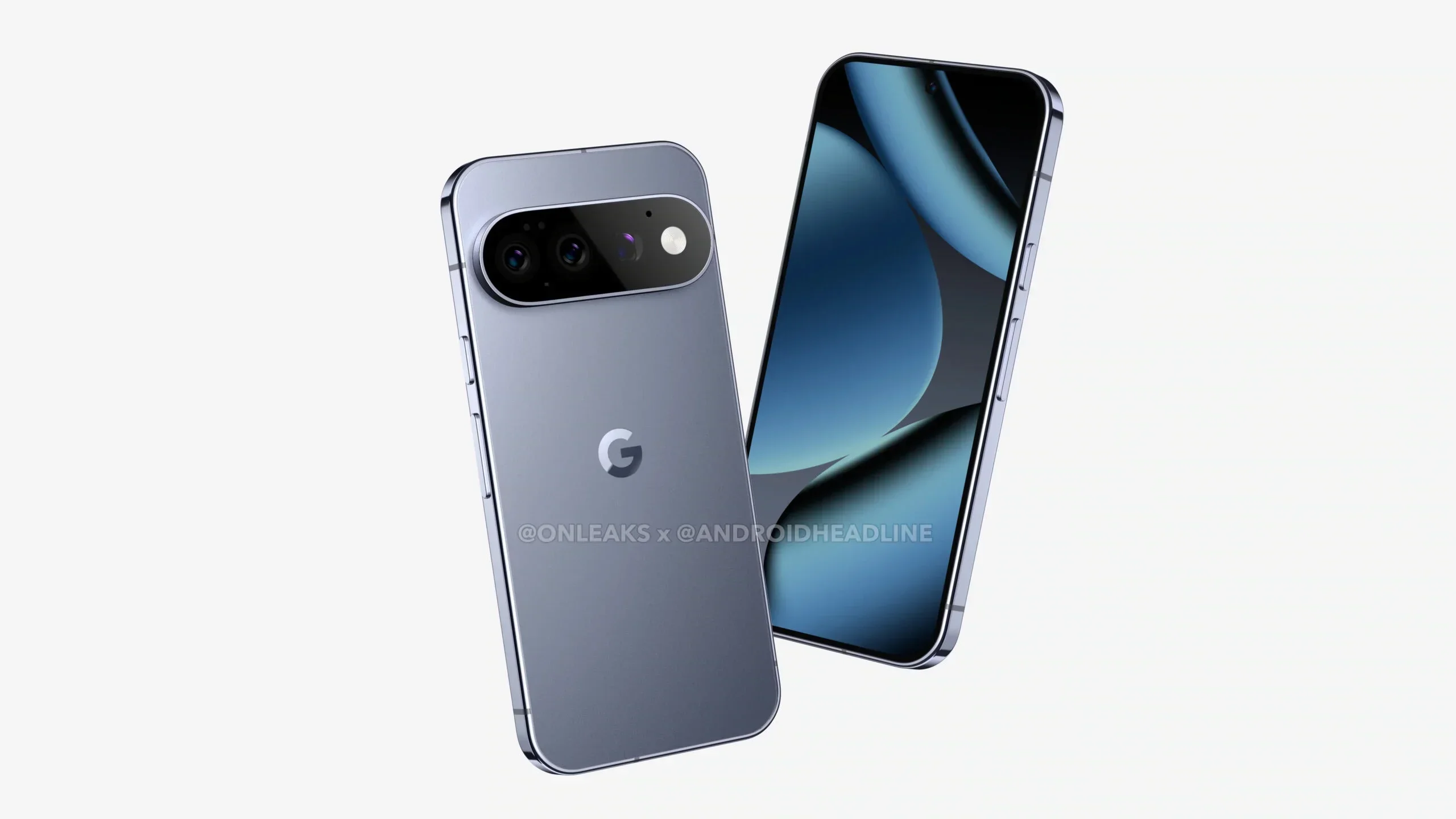
Early search and forum traffic around Google’s Pixel 11 Pro XL has outpaced interest in the company’s upcoming foldable device, pointing to a divide in what consumers want from large-screen smartphones.
The pattern runs counter to what many analysts expected as foldable phones matured into a more established category.
What the Numbers Show
Tracking data from Google Trends shows search volume for “Pixel 11 Pro XL” running significantly ahead of queries related to Google’s next foldable as of mid-2025, though Google has not officially confirmed either device’s specifications or release date.
The Pixel 9 Pro XL, released in August 2024, measured 6.8 inches diagonally and carried a starting price of $1,099, according to Google's official product page. Its foldable counterpart, the Pixel 9 Pro Fold, launched at $1,799.
That $700 gap matters. Price sensitivity remains one of the most cited barriers to foldable adoption, according to a Consumer Technology Association survey published in early 2025, which found that 61% of U.S. smartphone buyers considered foldables too expensive relative to their practical benefit.
The Foldable Problem
Foldables — devices with flexible displays that open like a book to expand screen real estate — have struggled to move beyond a niche audience despite years of iteration from Samsung, Google, and Motorola.
IDC reported that foldable smartphones accounted for roughly 1.6% of global smartphone shipments in 2024, a figure that grew year-over-year but remained marginal against total market volume of approximately 1.24 billion units.
Samsung held the largest share of that foldable segment, according to the same IDC data. Google’s Pixel fold lineup, by contrast, carved out a smaller slice.
The weight and thickness of folded devices draw repeated criticism in user forums and reviewer assessments. The Pixel 9 Pro Fold weighs 257 grams, compared to 221 grams for the Pixel 9 Pro XL, per Google’s own specifications.
For many buyers, that extra heft produces no meaningful gain in daily usability.
Why the XL Pulls Ahead
A conventional large-screen phone — often called a “Max” or “XL” variant — gives users a bigger display without the bulk, crease, or durability questions that follow foldables.
Screen-to-body ratio on slab-style phones has also improved sharply. The Pixel 9 Pro XL achieves a 87.0% screen-to-body ratio, according to GSMArena's technical database, meaning bezels take up little visual space.
That makes a 6.8-inch screen feel genuinely large without the physical footprint of an unfolded tablet-phone hybrid.
Meanwhile, battery life on XL-sized slab phones benefits directly from the larger chassis, which accommodates bigger cells. The Pixel 9 Pro XL houses a 5,060 mAh battery, per Google filings. The Pixel 9 Pro Fold carries 4,650 mAh — smaller, despite its larger overall form.
Market Context
Google is not alone in facing this dynamic. Apple’s iPhone 16 Plus sold below internal projections in late 2024, according to analyst notes cited by Reuters, yet the iPhone 16 Pro Max — a premium large-screen slab — ranked among the top-selling individual smartphone models globally that quarter.
The data suggests consumers want large screens but remain selective about the format those screens take.
Foldables carry a secondary concern beyond price: longevity. Flexible OLED panels — the display technology used in foldable devices — have shown higher failure rates at the fold crease over extended use cycles, a pattern documented in durability testing published by CNET's engineering team and corroborated by independent repair data from iFixit.
Google has not released official failure-rate data for its Pixel fold lineup.