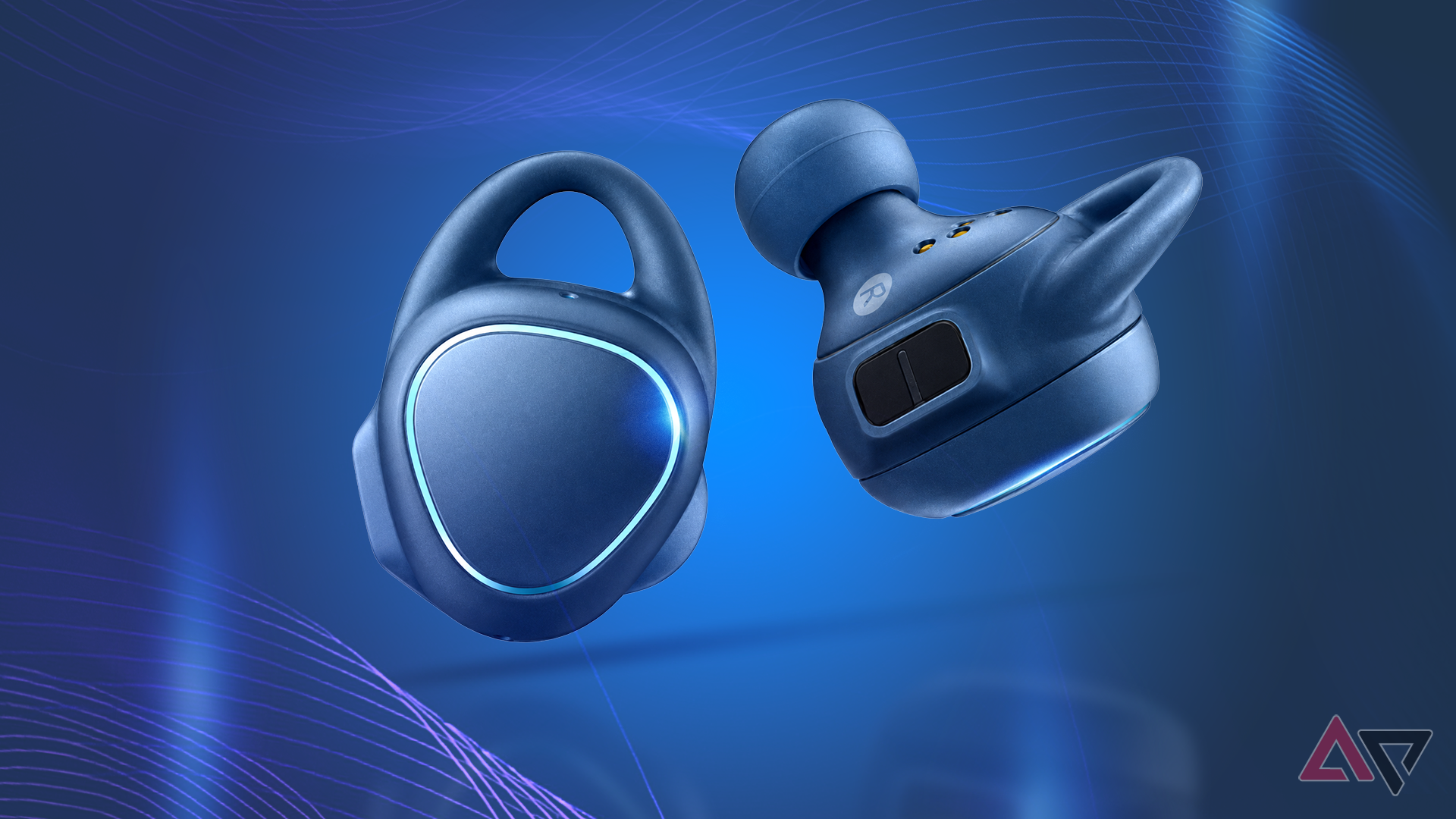
Samsung owned audio equipment manufacturers AKG, Harman, JBL and Denon when it released its first Galaxy Buds a decade ago. The company has not sustained all the technical capabilities present in those early models through to its current lineup.
The original Galaxy Buds launched with ambient sound functionality that let users hear outside noise without removing the earbuds. Samsung’s current models offer noise cancellation but lack the granular ambient control that early versions provided. That trade-off reflects how the industry prioritized isolation over environmental awareness.
Samsung also shipped its first earbuds with extensive touch customization. Users could remap nearly every gesture to perform different functions across music playback, call handling and app launching. Current Galaxy Buds limit gesture options to preset configurations. The flexibility disappeared as manufacturers streamlined interfaces for mass-market adoption.
Battery management differed sharply between generations. Early Galaxy Buds displayed remaining charge time in minutes on the connected device screen, not just a percentage estimate. Users knew exactly when their earbuds would die. Modern versions show only estimated charge levels that shift unpredictably based on usage patterns and codec selection.
The original design prioritized physical buttons alongside touch controls. Newer models rely exclusively on touch, which creates problems in cold weather and during workouts when gloved or sweaty fingers struggle with gesture recognition. Physical controls never fail due to moisture or temperature.
Samsung’s audio heritage through its subsidiaries has not translated into feature parity across its product generations. AKG’s engineering expertise, Harman’s acoustic research and JBL’s consumer audio knowledge remain in separate business units rather than integrated into mobile audio products. The company compartmentalizes these capabilities.
The earbud market consolidated around noise cancellation as a primary differentiator after Apple released the AirPods Pro. Manufacturers redirected engineering resources toward active noise cancellation algorithms and less toward the peripheral features that older models emphasized. Samsung followed this industry shift rather than leveraging its audio companies to chart a different course.
Ambient sound modes required less processing power than active noise cancellation, which may explain why early versions included them. As processors improved and battery capacity increased, companies chose to implement only the most commercially resonant features rather than maintaining the full feature set of predecessors. Market research likely indicated noise cancellation sold better than ambient modes.
None of Samsung’s current earbud lines restore the ambient sound customization, gesture remapping depth or battery transparency that characterized its first generation. The company introduced Galaxy Buds2 Pro in 2021 and Galaxy Buds3 in 2023 without reintroducing these capabilities. Industry standardization on noise cancellation appears to have eliminated space for alternative audio features in consumer priorities.
Users who valued those earlier capabilities have few options in the current market. Most mainstream manufacturers abandoned similar granular controls in favor of simplified interfaces. Some boutique audio brands maintain customization depth, but they lack Samsung’s distribution reach and price competitiveness.