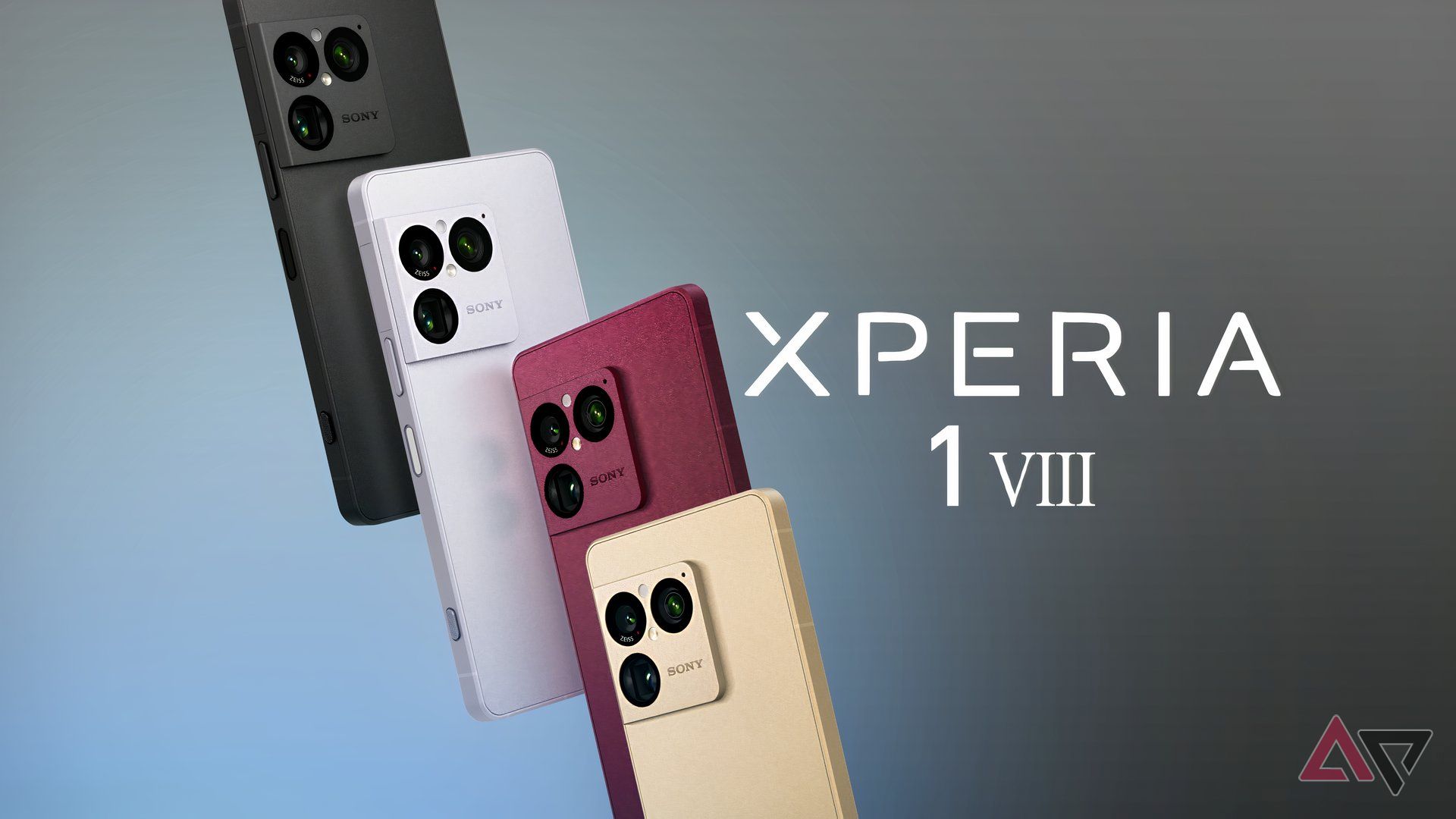
Sony unveiled the Xperia 1 VIII this week, the latest entry in its flagship smartphone line. The device arrives with camera-focused features that competitors like Samsung have not matched, yet the company has given no confirmation of a United States release.
The announcement marks Sony’s eighth generation of the Xperia 1 series since the line debuted in 2019. Each iteration has targeted professional photographers and videographers with manual controls and sensor technology drawn from the company’s Alpha camera division.
Hardware Specifications
Sony equipped the new model with a triple-lens rear camera system. The primary sensor measures 1/1.35 inches, larger than sensors found in most competing Android devices.
The phone runs on Qualcomm’s Snapdragon 8 Elite processor, according to Sony's official product page. It pairs the chip with 12GB of RAM.
Sony retained the 4K OLED display that has defined the Xperia 1 line. The panel measures 6.5 inches diagonally and supports a 120Hz refresh rate.
The company kept the 3.5mm headphone jack, a feature that Samsung, Google, and Apple removed from their flagship phones years ago. Audiophiles have long cited this as a reason to choose Xperia devices over mainstream alternatives.
Camera System Details
The Xperia 1 VIII includes real-time Eye AF tracking, a feature Sony developed for its mirrorless cameras. The system locks focus on human and animal eyes during photo and video capture.
Sony added a dedicated physical shutter button with a two-stage press mechanism. This mirrors the behavior of standalone cameras and allows half-press focus lock.
The company’s Videography Pro app offers manual control over ISO, shutter speed, and white balance during recording. Samsung’s Galaxy S25 Ultra lacks equivalent manual video controls in its native camera application.
Professional colorists have praised previous Xperia models for capturing flat color profiles suitable for post-production grading. Sony continued this approach with the new device.
US Market Uncertainty
Sony has not announced American pricing or availability for the Xperia 1 VIII. The company has steadily reduced its smartphone presence in the United States over the past five years.
The Xperia 1 VII launched in the US in 2024, but Sony limited distribution to its own website and select retailers. Major carriers no longer stock the devices.
Sony’s global smartphone market share fell below 1% in 2024, according to data from Counterpoint Research. The company shipped approximately 1.5 million units worldwide that year.
Samsung and Apple together control roughly 75% of the US smartphone market, per Counterpoint Research. Chinese manufacturers Xiaomi, Oppo, and Vivo dominate sales in Asia and Europe but have minimal American presence.
Historical Context
Sony Mobile has struggled since the dissolution of its partnership with Ericsson in 2012. The company absorbed the joint venture and attempted multiple rebranding efforts over the following decade.
The Xperia Z series gained traction in the mid-2010s with waterproof designs and high-resolution displays. Sales peaked in 2014 when Sony shipped 39 million smartphones globally, according to the company’s fiscal year earnings report.
By 2019, annual shipments had dropped to approximately 3.2 million units. Sony restructured its mobile division that year and shifted focus to premium devices aimed at enthusiasts rather than mass-market consumers.
The pivot brought critical acclaim but limited commercial recovery. Reviewers have consistently praised Xperia cameras and displays while noting high prices and sparse carrier support.
Competitive Landscape
Samsung’s Galaxy S25 Ultra retails for $1,299 in the United States and offers wide carrier availability. The Xperia 1 VII launched at $1,399 with no carrier subsidies or installment plans.
Google’s Pixel 9 Pro undercuts both at $999 and matches many camera capabilities. The company has expanded its retail presence through Verizon, AT&T, and T-Mobile partnerships.
Apple’s iPhone 16 Pro starts at $999 and dominates the premium segment in North America. The company captured 55% of US smartphone revenue in 2024, according to Counterpoint Research.
Sony has positioned the Xperia line as a tool for content creators rather than a general consumer device. Marketing materials emphasize compatibility with Alpha cameras and professional workflows.
Technical Differentiators
The Xperia 1 VIII supports 4K video recording at 120 frames per second. Samsung’s current flagship records 4K at a maximum of 60 frames per second.
Sony included S-Cinetone color profiles, which match the color science used in the company’s professional cinema cameras. Filmmakers can cut Xperia footage with footage from Sony FX-series cameras without extensive color matching.
The phone accepts external microphone input through its USB-C port. It also supports monitoring through wired headphones during video recording, a feature absent from most smartphones.
Sony’s previous Xperia models received software updates for three years. The company has not disclosed its update commitment for the new device.