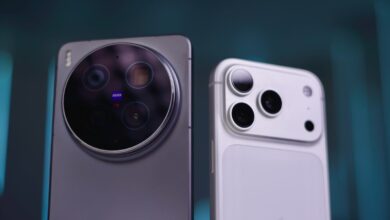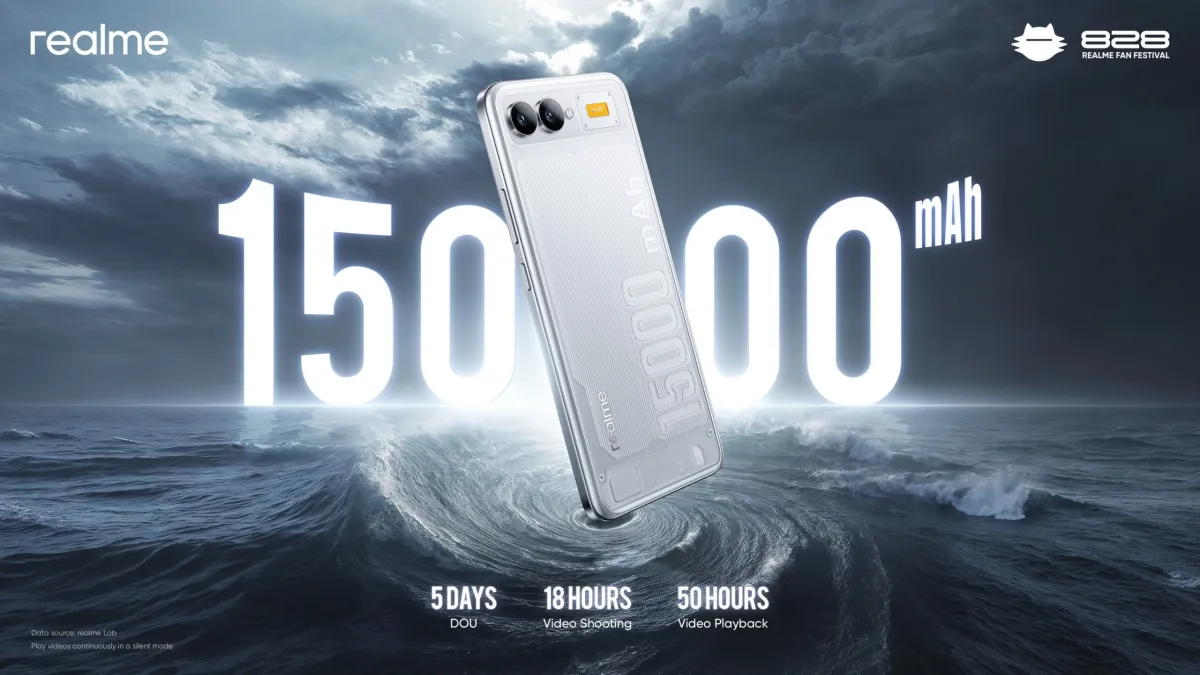
Honor has launched the Win Turbo, a smartphone carrying a 10,000 mAh silicon-carbon battery — a capacity that would have been physically impossible in a slim handset just Two Years ago.
The device marks a new threshold in consumer smartphone energy storage, as manufacturers increasingly adopt silicon-carbon cell technology to pack more energy into thinner chassis without adding significant weight.
What Silicon-Carbon Batteries Actually Do
Traditional lithium-ion batteries use graphite anodes. Silicon-carbon cells replace or supplement that graphite with silicon, which holds roughly 10 times more lithium ions by weight, allowing engineers to raise energy density without expanding the physical cell.
The tradeoff has historically been durability — silicon expands and contracts during charge cycles, degrading the anode over time. Manufacturers including Honor, Xiaomi and Vivo say they have addressed that through composite blending and structural reinforcement, though long-term independent cycle-life data on mass-market devices remains limited.
The Numbers Behind the Push
Smartphone battery capacity has climbed steadily across the Android mid-range and flagship segments. Several devices shipping in 2024 and early 2025 carry cells between 6,000 mAh and 7,000 mAh — figures that were rare outside rugged or ultra-budget handsets just three years ago.
The 10,000 mAh mark, once the exclusive territory of portable power banks, now sits inside a phone Honor positions as a mainstream consumer product.
Honor has not announced a U.S. or European launch for the Win Turbo. The device targets markets in Asia, where Honor maintains its strongest retail presence following its separation from Huawei in 2020.
Do Consumers Actually Need This?
Battery Life complaints consistently rank among the top reasons consumers replace or express dissatisfaction with smartphones, according to recurring consumer sentiment surveys tracked by research firms.
Still, capacity alone does not determine real-world battery life. Processor efficiency, display resolution and refresh rate, software optimization, and network radio activity all affect how fast a cell depletes.
A 10,000 mAh battery paired with an inefficient chip or a high-refresh OLED panel running at peak brightness can underperform a 5,000 mAh cell in a well-optimized device.
That said, the raw headroom a larger cell provides is difficult to argue against for heavy users — those streaming video, running navigation and staying off a charger for extended periods.
Charging Speed as the Other Variable
Large-capacity cells historically took longer to charge, creating a practical inconvenience that offset multi-day battery life. Honor and rival brands have paired high-capacity batteries with faster wired charging to reduce that gap.
The Win Turbo’s specific charging wattage was not immediately confirmed in available launch materials. By contrast, some competitors shipping 6,000 mAh to 7,000 mAh cells now support 90W to 120W wired charging, cutting full-charge times to under 40 minutes.
Where the Market Is Heading
Chinese OEMs — original equipment manufacturers — are accelerating silicon-carbon adoption faster than their U.S. and South Korean counterparts. Samsung and Apple have not announced silicon-carbon cells for their mainstream lineups, though supply chain analysts have flagged both companies as monitoring the technology closely.
Honor’s move to 10,000 mAh raises the practical question of where the ceiling sits, and whether Western markets will eventually demand — or receive — devices built around the same chemistry.