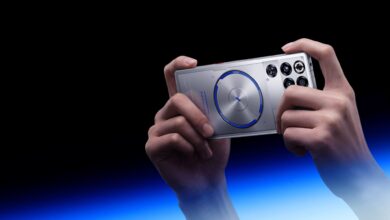
Samsung's Galaxy S26 Ultra features the first integrated Privacy Display layer built directly into a smartphone screen, raising questions about whether the addition would degrade its anti-reflective glass performance.
Early skeptics argued the new privacy layer — which narrows the viewing angle to block onlookers — would compromise the screen’s ability to cut glare and reflections in bright light.
Testing indicates those concerns did not materialize.
What the Privacy Display Layer Does
A Privacy Display layer limits how much of the screen content people beside or behind the user can see, a feature common in laptop screens but rare as a factory-integrated option in smartphones.
Samsung built the layer directly into the S26 Ultra’s display stack rather than applying it as a separate film, a distinction that matters for optical clarity and surface performance.
Anti-Reflection Performance
Anti-reflective glass coatings work by reducing the amount of ambient light that bounces back off the screen surface, improving readability outdoors and in well-lit rooms.
The S26 Ultra uses Corning’s Gorilla Armor 2, a cover glass with an anti-reflective surface treatment designed to suppress glare more aggressively than standard smartphone glass.
Despite stacking a privacy function on top of that optical system, test results show the S26 Ultra’s reflectivity levels remain competitive with — and in some measures superior to — flagship rivals.
That result will reassure buyers who use their phones heavily outdoors or in sunlight, where reflection suppression directly affects usability.
Why It Matters
Screen reflectivity is a practical concern, not a spec-sheet footnote. A highly reflective display forces users to raise brightness — draining the battery faster and increasing eye strain in outdoor conditions.
The ability to add a privacy function without sacrificing that anti-reflection performance represents a meaningful engineering balance for Samsung’s display team.
Still, real-world conditions vary. Testing environments control for lighting angles and distances that everyday use does not replicate exactly.
Context
Samsung introduced the Galaxy S26 Ultra as the flagship of its 2025 S-series lineup, competing directly against Apple’s iPhone 16 Pro Max and Google's Pixel 9 Pro XL in the premium Android segment.
Display quality ranks among the top purchasing criteria for flagship smartphone buyers, according to consumer research firms tracking the premium handset market.
Privacy screen technology has grown in demand alongside rising awareness of visual hacking — the low-tech practice of reading sensitive information off someone else’s screen in public spaces.
Corning has supplied anti-reflective Gorilla Armor glass to Samsung since the Galaxy S24 Ultra, positioning the material as a differentiator against competitors still using standard cover glass with minimal anti-reflective treatment.