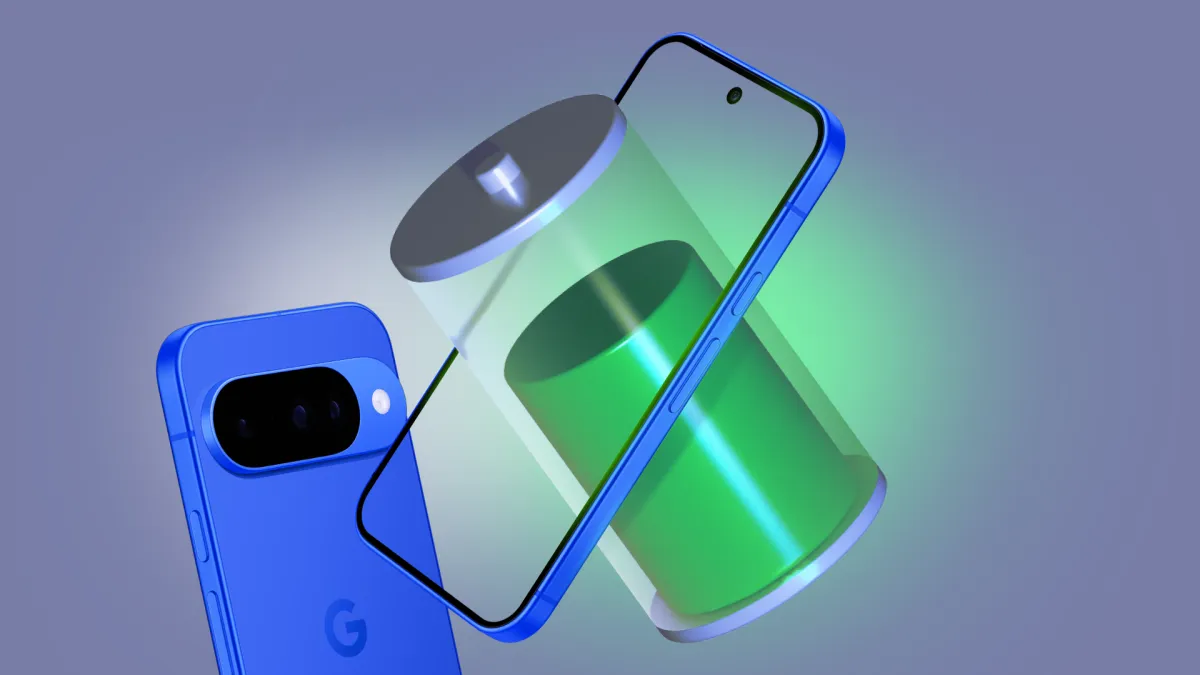
A Google Pixel user eliminated chronic battery anxiety by adopting three straightforward daily habits, shedding a cycle of post-update worry that many Android owners recognize.
Every system update prompted fresh concern about how the phone would behave after rebooting.
The Problem With Post-Update Anxiety
Software updates on Android Devices modify the operating system and can alter background power consumption. These packages often reset or reshuffle how apps draw energy.
That uncertainty pushed the user into a pattern of constant monitoring, screen-dimming rituals, and preemptive charging that consumed more mental energy than the battery itself ever threatened to.
The anxiety wasn’t irrational, though. Background process changes after an update can temporarily spike battery drain while the system re-indexes apps and rebuilds caches — a process that typically settles within 24 to 48 hours.
Habit One: Stop Chasing the 100 Percent
The first shift was abandoning the instinct to charge the phone to full every night.
Lithium-ion batteries degrade faster when held at maximum charge for extended periods. Battery University, a widely cited resource backed by electrochemical research, notes that keeping a lithium-ion cell between 20 percent and 80 percent capacity significantly extends its cycle life.
Google itself baked this logic into Pixel devices through its Adaptive Charging feature, which learns a user’s overnight schedule and slows the final charge to arrive at 100 percent only near wake-up time, reducing hours spent at peak voltage.
Habit Two: Treat the Charger Like a Toothbrush
The second habit was simple: plug in at a consistent time each evening.
Reactive charging — topping up in short bursts whenever anxiety spikes — actually increases the number of partial charge cycles the battery endures, accelerating wear over months.
A predictable nightly routine let Adaptive Charging work as designed and removed the mid-day mental calculus of “do I have enough to make it?”
Habit Three: Trust the Phone After an Update
The third habit required the most discipline — resisting the urge to stress-test the phone immediately after a system update.
Post-update battery drain often reflects temporary system housekeeping, not a permanent regression. Leaving the phone alone for 24 to 48 hours after an update, rather than running benchmark-style usage to “test” performance, allowed background optimization to complete without interference.
That single behavioral change broke the feedback loop: the user would update, notice elevated drain, panic, over-monitor, and interpret normal fluctuation as disaster.
Why This Matters Beyond One User
Smartphone battery anxiety is common enough that app stores carry dozens of battery management tools, many of which provide data that reinforces obsessive checking rather than relieving it.
Americans check their phones tens of times daily, and battery level ranks among the most frequently monitored metrics, according to Pew Research Center data.
Google's Pixel line runs stock Android — the base version of Google’s mobile operating system, unmodified by third-party manufacturers — which gives users cleaner access to battery statistics than many rival devices.